
Organized Kitchen Waste Separation Systems
A tidy kitchen is the heart of every home. However, efficiently organising waste separation presents a challenge for many households. Often, multiple individual bins get in the way, not only taking up space but also disrupting the visual harmony. A well-designed kitchen waste separation system can solve this by combining functionality, hygiene, and design in a single solution.
This article serves as a guide. It highlights key features to consider when choosing a suitable system and presents a selection of models designed for different needs and household sizes.
What to Look for When Choosing a Kitchen Waste Collector
The decision for a new waste separation system should be based on objective criteria. The following points will help you make an informed choice that meets everyday demands.
1. Capacity and Number of Compartments
The total volume and its division are crucial factors. A 60 L trash can is well-suited for families or shared living spaces, as it requires less frequent emptying. The number of compartments depends on local waste separation regulations and personal habits.
- 2-Compartment Pedal Bin: This is a common configuration, ideal for separating general waste from recyclables. The compartments often have a volume of 20 to 30 litres each.
- 3-Compartment Waste Bin: This variant offers additional flexibility, for example, for the separate collection of organic waste or paper directly in the kitchen. Such models are particularly practical for implementing precise waste separation.
2. Material, Hygiene, and Ease of Use
A stainless steel trash can is a popular choice due to its durability and ease of cleaning. The surface is robust and resistant to stains and odours. Look for models with an anti-fingerprint coating to minimise maintenance.
For hygienic operation, pedal mechanisms are essential. They allow you to open the lid without touching it with your hands. A soft-close function ensures that the lid closes gently and silently, enhancing comfort in the daily kitchen routine. Removable plastic inner buckets also make it easier to empty and clean the individual recycling bins.
Our Top Waste Separation Choices
Here you will find a curated selection of models that stand out for their specific features and design for modern households.
ochama Kitchen Bin with 2 Compartments, 2 x 30 L
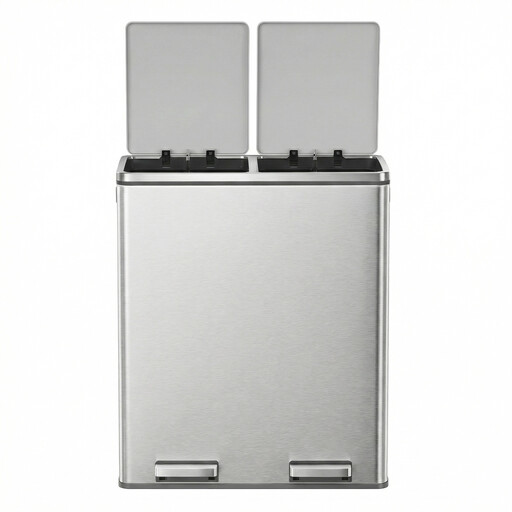
Why this model stands out This model combines a sleek, modern design with high functionality. With a total capacity of 60 litres, divided into two equal compartments, it provides a solid foundation for kitchen waste separation.
Advantages
- Two 30 L compartments: Generous volume for separating general waste and recyclables.
- Soft-close lid: The lid closes quietly and slowly, preventing disruptive noises.
- Removable inner buckets: The two inner buckets made of PP plastic are easy to remove and clean.
- Hygienic operation: Robust pedals allow for hands-free opening.
- Includes accessories: Comes with 15 matching trash bags, so the bin is ready to use right away.
Who is it for? This system is ideal for households of 2 to 4 people looking for a reliable and aesthetically pleasing solution for basic waste separation. Its slim design blends seamlessly into most kitchen interiors.
View details for the ochama 2-Compartment System
60L (3 x 20 L) Stainless Steel Kitchen Trash Can
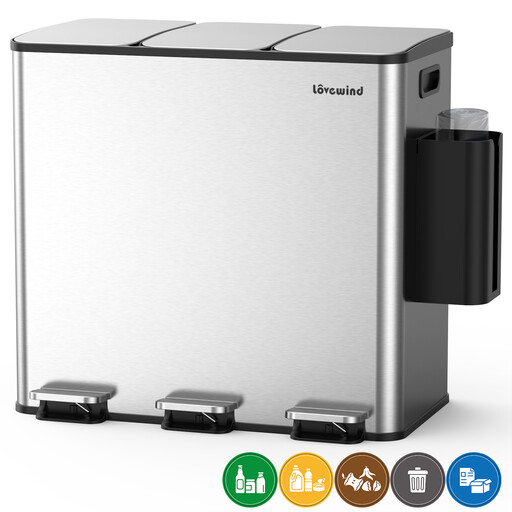
Why this model stands out This 3-compartment waste bin is designed for detailed waste separation. Each of the three compartments holds 20 litres and has its own lid and inner bucket. Magnetic, colour-coded labels help to clearly assign waste types.
Advantages
- Three separate compartments: Allows for the separation of up to three types of waste (e.g., general waste, organic waste, recyclables).
- Robust construction: Made of rust-proof and fingerprint-resistant stainless steel with reinforced pedals.
- Odor control: Integrated activated charcoal filters in the lids help to neutralise odours.
- Thoughtful features: The lids close silently (soft-close) but can also be locked in a 90° position, which is practical during longer kitchen tasks.
- Additional storage: A magnetic box for storing trash bags is included.
Who is it for? Perfect for environmentally conscious households and larger families who need a comprehensive solution for waste separation directly in the kitchen. The thoughtful details like the filters and magnetic labels offer significant added value.
View details for the 3-Compartment Stainless Steel System
60 Litre Stainless Steel Trash Can with Roman Texture
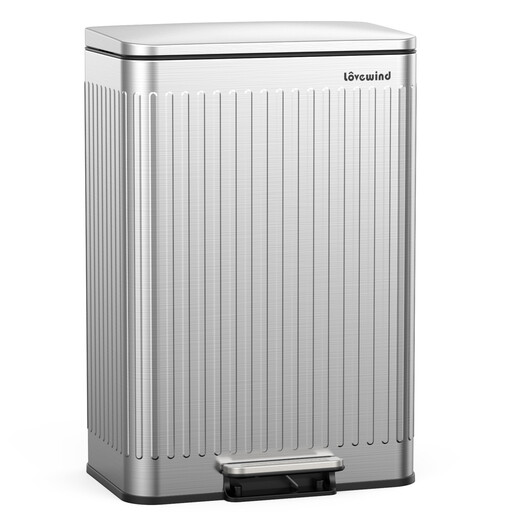
Why this model stands out This model combines a large capacity with a special design element. The stainless steel surface features a subtle Roman texture, giving the kitchen waste collector a premium appearance.
Advantages
- Large total volume: With 60 litres of capacity, divided into two inner buckets, it's ideal for households of 3 to 6 people.
- Reinforced stainless steel pedal: Rated for over 200,000 uses according to the manufacturer, promising a long lifespan.
- Practical lid function: The lid features a soft-close mechanism and a 90° stay-open feature for convenient use.
- Easy handling: The inner buckets are equipped with dual carrying handles and integrated bag retainers, making it easier to change trash bags.
- Low-maintenance surface: The coating is fingerprint-resistant and stain-repellent.
Who is it for? For anyone looking for an extra-large and robust kitchen waste separation system who also values an attractive design. The combination of volume, durability, and aesthetics makes it a great choice for discerning households.
View details for the 60-Litre Textured Trash Can
The Right Care for Your Waste Separation System
A clean waste separation system is crucial for kitchen hygiene. Regularly cleaning the inner buckets and outer surfaces prevents odours and bacterial growth. To keep your system permanently fresh, using special cleaning agents can be beneficial.
Discover a selection of suitable Bin Cleaners that are appropriate for materials like stainless steel and plastic.
Frequently Asked Questions (FAQ)
1. How many compartments are practical for a kitchen waste separation system? The ideal number depends on local recycling guidelines and available space. A system with two compartments (general waste, recyclables) is a good standard. A third compartment for organic waste or paper can further simplify separation and reduce trips to outdoor bins.
2. How can I effectively prevent odours in the trash can? Always close the lid completely. Empty the organic waste bin regularly. Clean the inner buckets weekly with water and a mild detergent. Models with tight-sealing lids or integrated activated charcoal filters, like the 3-compartment system presented above, offer an additional barrier against odours.
3. Is a stainless steel trash can better than a plastic one? Stainless steel is generally more durable, stable, and less prone to absorbing odours than plastic. It is also often perceived as having a more premium look. Plastic trash cans, on the other hand, are lighter and usually more budget-friendly. The choice depends on personal priorities regarding durability, aesthetics, and budget.