
Bowls and Food Storage Containers for the Kitchen: the Right Selection for Serving, Storing and Meal Prep
Anyone looking to buy bowls and food storage containers for the kitchen will find a wide range of sets, materials and sizes. At first glance, many products appear similar. However, differences become apparent when it comes to lid seals, temperature resistance, space requirements and care. A bowl that looks versatile in the product image is not automatically suitable for the microwave, freezer or transport.
This buying guide from the Joybuy Product Recommendation Officer explains the most important criteria objectively and presents a selection for different households.
Common Buying Mistakes with Bowls and Food Storage Containers
1. “Microwave-safe” often does not apply to the lid
With many microwave-safe bowls, only the container itself may be heated. The lid must be removed beforehand to prevent pressure from building up. This applies, for example, to Mepal Cirqula containers. You should also observe the specified maximum temperature: for the Mepal models mentioned, this is 110 °C.
2. Airtight and leakproof are not the same thing
An airtight food storage container can seal in odours more effectively and reduce exchange with the surrounding environment. However, when transporting liquid food, it is crucial that the manufacturer explicitly states that it has a leakproof design. Also check that the lid is fully closed and that the seal is sitting correctly.
3. Large sets do not automatically suit small kitchens
A comprehensive bowl set can be practical, but it requires storage space. Round bowls can often be nested inside one another, while rectangular food storage containers may make more efficient use of space in the fridge. Before buying, compare the internal dimensions, height and lid position with your existing shelf space.
The Most Important Selection Criteria
Material and Food Contact
For everyday use, details such as PP, TPE, stoneware or PS are relevant. Polypropylene is often used for food storage containers, meal prep containers and lunch boxes. Products intended for contact with food should state that they are suitable for this purpose. The term BPA-free food containers refers to bisphenol A, but on its own says nothing about all other material properties.
Stoneware is particularly suitable for serving dishes. It retains its shape, but may break if knocked or exposed to sudden, significant changes in temperature. Plastic bowls are generally lighter, making them an appealing choice for picnics, balconies or transport.
Capacity and Shape
- Cereal bowl: often compact and suitable for individual portions
- Salad bowl: useful for side dishes, fruit or smaller portions to share
- Pasta bowls and serving bowls: usually larger in volume for soups, pasta or salads
- Storage bowls: ideally available in several sizes for leftovers, sauces and prepared meals
- Food storage containers: rectangular shapes often make good use of fridge and freezer space
- Lunch box with compartments: practical when the main dish, side dishes and sauce need to be kept separate
The capacity should suit your typical use. A 750-ml container, for example, is suitable for an individual portion or leftovers, while 1.25 l is more suitable for larger meals or several portions.
Cleaning, Temperature and Closures
Dishwasher-safe bowls and containers make everyday use easier. Check whether this applies to all components or just the container. For lids with seals, the top rack of the dishwasher may be recommended.
The microwave and freezer each have their own requirements. Pay attention to:
- permitted temperature ranges,
- the instruction “microwave without lid”,
- freezer suitability,
- warnings about sudden changes in temperature,
- visible cracks, warping or damaged seals.
Our Selection by Usage Profile
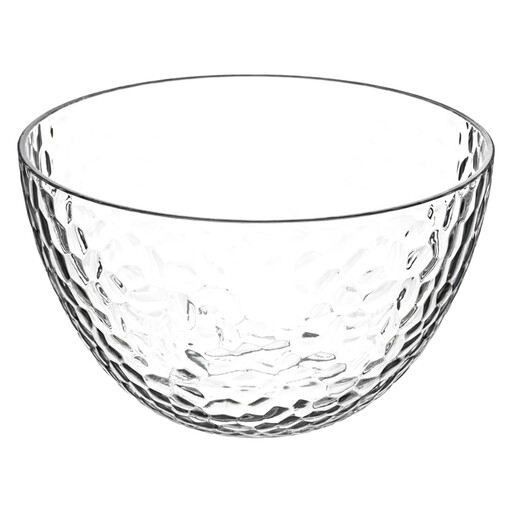
14cm Transparent Salad Bowl Estiva
Why this product suits this profile: The compact, transparent bowl, measuring 14 cm in diameter, is suitable for individual portions, side dishes, fruit, snacks or desserts. Its light weight can be useful in everyday life and on days out.
Its manageable size helps prevent buying a small bowl for large portions. Before use, check the material variant and care instructions, as it is not intended for microwave or oven use.
14 cm diameter; transparent design; suitable for serving side dishes, fruit, snacks or desserts.
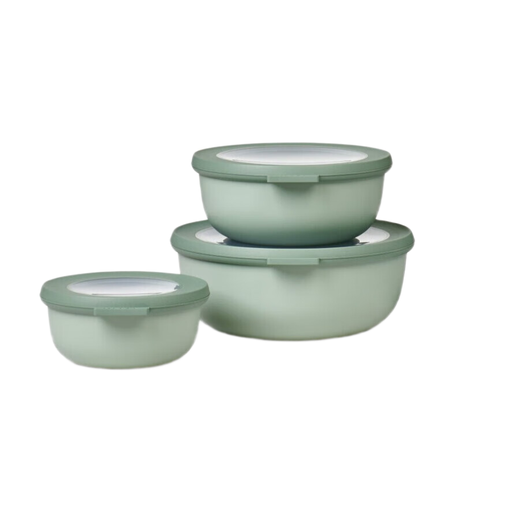
Mepal Multi-Bowl Cirqula Round 3-Piece Set
Why this product suits this profile: The three sizes – 350 ml, 750 ml and 1,250 ml – cover a range of portion sizes. The bowls are suitable for the fridge, freezer and microwave without the lid.
The clearly stated sizes and temperature limits make it easier to choose the right option. The lid must be removed before heating, and temperatures must not exceed 110 °C.
BPA-free according to the product information; dishwasher-safe; stackable and nestable; transparent viewing windows in the lids.
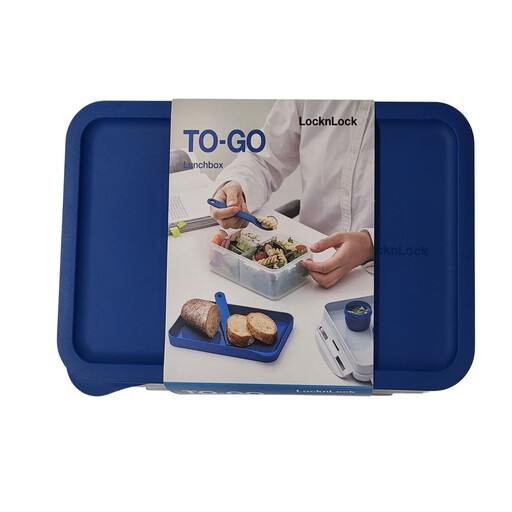
LocknLock 3-in-1 Lunch Box 1.0L
Why this product suits this profile: Three removable compartments, a cutlery set and a sauce container make it suitable for work, school, days out and regular meal prep. The total capacity is 1 l.
The separate compartments help prevent the main dish, side dishes and sauce from mixing. For microwave use, the lid must be removed completely; it is not intended for use in an oven, on a hob or over direct heat.
BPA-free PP according to the product information; leakproof closure; suitable for freezing and dishwashers; temperature range from -20 °C to 120 °C.
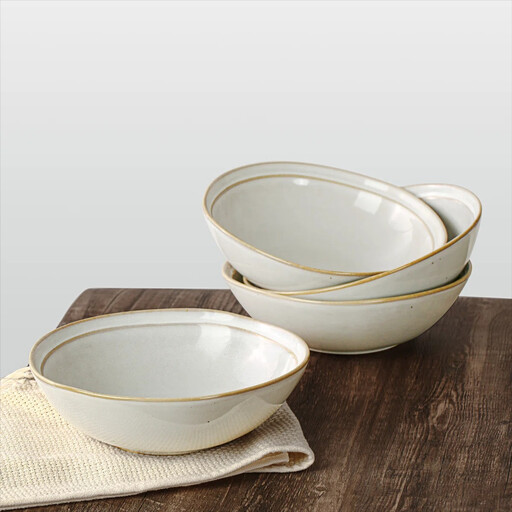
4 Double-Ring Large Bowls – Yellow and White
Why this product suits this profile: Four large stoneware bowls, each with a capacity of around 1.2 l, are suitable for pasta, soup, salad and larger portions in a family household.
The stated capacity helps distinguish a serving bowl from a small cereal bowl. With stoneware, sudden changes in temperature and abrasive cleaning products should be avoided.
Four pieces; approximately 1.2 l per bowl; microwave- and dishwasher-safe according to the product information; stackable.
Looking for more options?
We have put together a complete, regularly updated list of products that fully meet these strict selection criteria and the safety regulations applicable in the EU.
Care Tips for a Longer Service Life
- Allow closures and seals to dry completely after every wash.
- Do not fill containers to the brim before freezing, as food can expand.
- Remove the lid before heating unless the manufacturer specifies otherwise.
- Do not place stoneware directly from the freezer into the microwave.
- Do not continue using damaged, cracked or badly warped containers for food.
- With plastic containers, avoid intense heat, hobs and naked flames.
FAQ: Frequently Asked Questions about Bowls and Food Storage Containers for the Kitchen
Which bowls are suitable for meal prep?
For meal prep, containers with clearly stated capacities, stackable designs and freezer and microwave suitability are practical. Rectangular food storage containers often make efficient use of fridge space. For transport, the product should also specify a leakproof closure.
How long do food storage containers last?
Their lifespan depends on the material, use, cleaning and storage. Seals can be affected by frequent dishwasher use or incorrect fitting. Regularly check containers and lids for cracks, warping and closures that are no longer working effectively.
Are BPA-free food containers automatically microwave-safe?
No. BPA-free initially describes the absence of bisphenol A. Microwave suitability must be stated separately in the product description or labelling. Even then, temperature limits apply, and you will often be instructed to remove the lid.