
Kimchi Ramen Buyer’s Guide: Choosing Korean Instant Noodles
Korean culture has taken the world by storm, and with it, a craving for authentic dishes. For many, the spicy and comforting kimchi noodle soup is at the top of the list. However, when trying to replicate this experience at home, many encounter obstacles. The market for Korean instant noodles is vast, but not every product delivers on its promise. Before you make a hasty buying decision, you should be aware of the common pitfalls.
A frequent issue is the so-called "kimchi flavouring." Many products advertise a kimchi taste but contain only a generic, spicy seasoning powder without the characteristic, tangy-fermented note of real kimchi. Another pitfall is the vaguely defined spice level. A soup labelled "spicy" can range from a mild kick to an almost inedible heat, which often leads to disappointment. Finally, the quality of the noodles themselves is often neglected, resulting in a soggy, unsatisfying texture.
What Really Matters When Choosing Kimchi Ramen
To avoid disappointment and ensure an authentic taste experience, you should pay attention to a few objective criteria. These will help you judge a product's quality, independent of marketing promises.
1. The Seasoning: Real Flakes, Not Just Flavouring
The key to a compelling kimchi noodle soup lies in its seasoning. On the ingredients list, look for real, dried kimchi flakes (often declared as "kimchi flakes" or "dried napa cabbage"). This ingredient is a strong indicator that the manufacturer values an authentic, fermented taste. A simple powder mix with "kimchi flavouring" can rarely replicate this complex flavour. Products that include a separate seasoning paste instead of, or in addition to, powder often provide a deeper and more complex flavour base.
2. The Noodle Texture: The Foundation of Your Meal
The quality of the noodles is crucial to the eating experience. Korean instant noodles, also known as Ramyun, are famous for their particularly chewy and elastic consistency. This is typically achieved through a blend of wheat flour and potato starch. Products based solely on wheat flour can become soft and soggy more quickly. Check the ingredients list and the cooking instructions; a slightly longer cooking time (4-5 minutes) can also be an indicator of firmer noodles. For those seeking an alternative, products with rice noodles offer a different, softer texture.
3. The Packaging Format: Bag vs. Cup
The choice of packaging depends on your usage habits.
- Bags (Packs): These are ideal for preparation at home. They require a pot but often offer better value for money, especially in multipacks. They also give you more freedom to enhance the dish with fresh ingredients like eggs, vegetables, or cheese.
- Cups or Bowls: These are the most convenient solution for the office, university, or on the go. They only require hot water and are ready to serve in minutes. If you plan to order instant ramen online, cups are a hassle-free option for a quick meal.
Kimchi Ramen Picks by Need
Based on the criteria mentioned, we have compiled a selection of products suitable for different preferences and use cases.
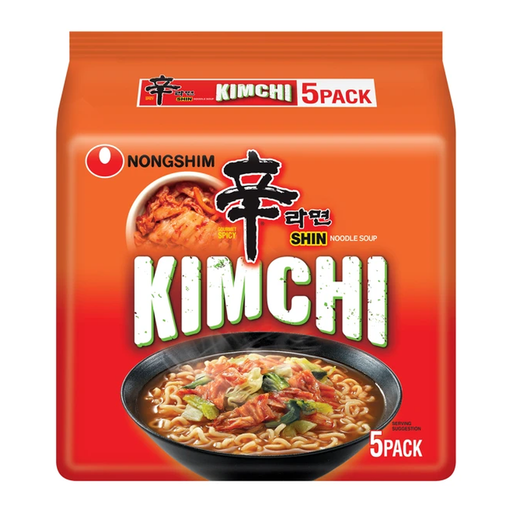
Nongshim Kimchi Ramyun 5x120g (5-pack)
Why it's a good fit: Ideal for anyone wanting to experience the classic kimchi ramyun flavour. This product is considered the benchmark, offering a balanced blend of spice and tang. The 5-pack is also cost-effective for regular enjoyment at home.
The product contains real kimchi flakes, which provide an authentic, fermented taste and bypass the "flavouring pitfall." The spice level is moderate and well-balanced.
A reliable, classic flavour and the signature chewy noodle texture, thanks to the blend of wheat and potato starch.
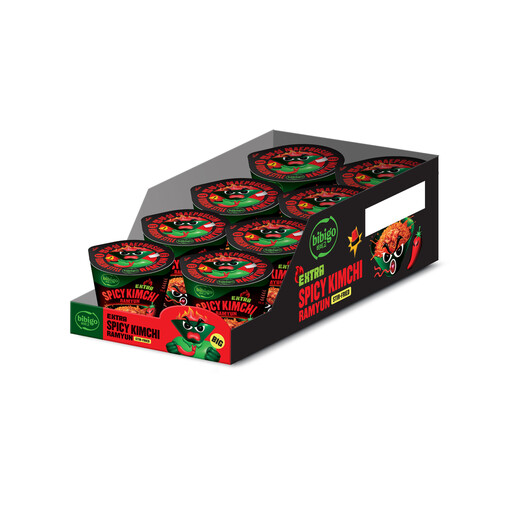
BIBIGO, Extra Spicy Kimchi Ramyun Cup
Why it's a good fit: For those who find regular spicy noodles too tame. This product is explicitly positioned as "extra spicy" and is aimed at seasoned eaters of hot food who are looking for a real challenge.
The "Extra Spicy" label sets a clear expectation and avoids the "spice level lottery." The seasoning is based on a sauce with chilli oil, ensuring an intense and complex heat.
A significantly higher spice level for an intense flavour experience. The convenient cup format allows for quick and easy preparation.
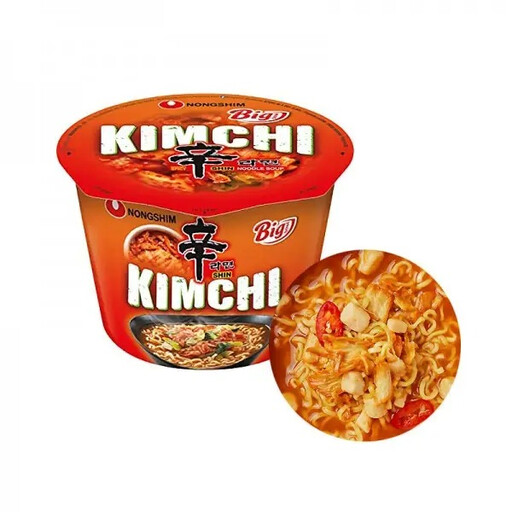
Nongshim Bowl Noodle (Kimchi)
Why it's a good fit: Perfect for students or professionals with a busy lifestyle. This bowl version requires no extra dishes and is ready in just three minutes—ideal for a quick meal at the office or at home.
Despite the focus on convenience, noodle quality is not compromised. The noodles retain their chewy texture and don't become soggy, which is a common problem with many cup noodles.
Maximum convenience with the all-in-one bowl format. Preparation only requires boiling water and is finished in minutes.
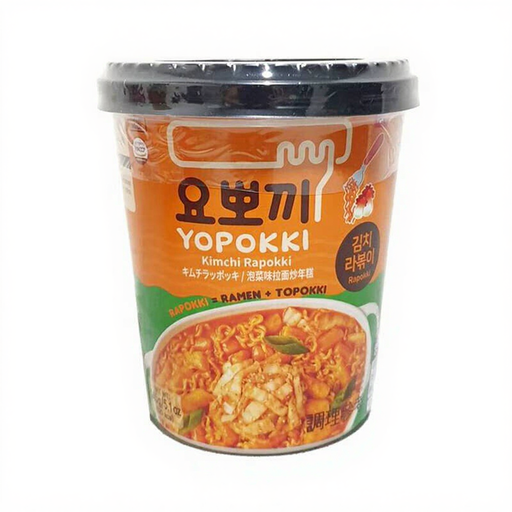
Yopokki Ricecake & Ramen Cup Kimchi (Rabokki)
Why it's a good fit: For anyone looking to try something new beyond the classic noodle soup. This dish, known as Rabokki, combines ramen noodles with chewy rice cakes (Tteokbokki), offering a completely different textural experience.
By clearly positioning itself as Rabokki, it sets a distinct expectation. It's not an ordinary noodle soup but a dish in its own right, sidestepping the generic noodle pitfall by adding rice cakes.
A more filling and texturally diverse meal due to the combination of noodles and rice cakes. Offers an authentic taste of Korean street food culture.
Looking for More Options?
We have compiled a complete, up-to-date list of products that fully meet these strict selection criteria and local regulations.
1. How can I adjust the spice level of Kimchi Ramen?
If you find a soup too spicy, you don't have to throw it away. Start by using only half of the seasoning packet and taste as you go. You can also mellow the heat by adding a slice of processed cheese, a splash of milk or cream. A raw egg poached in the hot broth can also help bind the spiciness.
2. What is the difference between Ramyun and Ramen?
Although the terms are often used interchangeably, there is a difference. Ramen is the Japanese term for noodle soups. Ramyun (or Ramyeon) refers to the Korean version, which is typically characterized by more intense seasoning, often significant spiciness, and thicker, more elastic instant noodles. Kimchi Ramen is a classic example of Ramyun.
3. How can you elevate a simple kimchi noodle soup?
Instant noodles are an excellent base for a quick yet complete meal. Add fresh ingredients just before serving to upgrade the dish. Popular additions include:
- A soft-boiled or fried egg
- Finely sliced spring onions
- A few spoonfuls of fresh, chopped kimchi for extra texture and flavour
- Grilled meat, tofu, or leftover chicken
- Roasted seaweed sheets (Nori) as a topping