
Buyer's Guide to Kids' Protective Gear
By the Joybuy Product Recommendation OfficerLast updated: July 28, 2026
Choosing the right protective gear for children can be a challenge. The market is flooded with products that promise safety, but not all of them live up to their claims. Ill-fitting helmets, uncomfortable pads, or low-quality materials aren't just a waste of money—they can compromise safety when it matters most.
This guide will help you identify the essential features of reliable protective gear and avoid common purchasing pitfalls.
The 3 Most Common Mistakes When Buying Protective Gear
Before we dive into the key features, let's identify the three most common problems parents face when buying protective gear for kids:
- The "One-Size-Fits-All" Illusion: Many products advertise a wide size range, but the fit is often imprecise. A helmet that wobbles on the head or pads that slip during movement do not offer reliable protection. The adjustment mechanisms are often inadequate for a truly custom fit.
- Poor Ventilation and Comfort: A common reason children refuse to wear their gear is overheating. A kids' helmet with too few or too small vents quickly leads to uncomfortable heat buildup, especially on warm days.
- Inadequate Material Quality: At first glance, many protectors look sturdy. Upon closer inspection, however, the hard shells turn out to be thin plastic and the padding is too soft to effectively absorb impact energy in a fall.
What Really Matters: Core Criteria for Your Selection
To avoid these mistakes, focus on three objective criteria. These will help you make an informed decision for your child's safety.
1. Fit and Adjustability: The Foundation of Effective Protection
A piece of protective gear can only do its job if it fits correctly. This is especially true for a kids' bike helmet or a skate helmet.
- Measure Head Circumference: Before buying, measure your child's head circumference with a flexible measuring tape. Place it about one centimetre above the eyebrows and ears, and wrap it around the widest part of the back of the head.
- Check the Adjustment System: A high-quality adjustable kids' helmet features a dial-fit system at the back of the head. This allows for micro-adjustment to the head's circumference and ensures the helmet sits firmly without being too tight. Adjustable chin straps with a padded buckle are also an important feature for comfort and safety.
- Fit of the Pads: In a kids' pad set, the knee pads and elbow pads should have elastic straps with Velcro fasteners. These allow for flexible adjustment to the limb's circumference and prevent the protectors from slipping.
2. Material and Safety Standards: The Basis for Trust
The materials determine how well the gear protects in the event of a fall.
- Helmet Shell: The outer shell of a helmet is typically made of ABS plastic or polycarbonate. These materials are robust and distribute impact energy.
- Impact-Absorbing Layer: Inside, there should be a thick layer of EPS (expanded polystyrene) foam. This material is crucial for absorbing shock energy.
- Certification: For helmets, look for the European safety standard CE EN 1078. This seal confirms that the helmet meets basic safety requirements for cyclists, skateboarders, and roller skaters.
3. Complete Protection: Why a Set is Often the Better Choice
While head protection is the priority, knees, elbows, and wrists are also highly vulnerable during falls, especially when inline skating or skateboarding. A complete kids' protector set offers comprehensive coverage.
A good kids' inline skate pad set consists of:
- Kids' Knee Pads: Protect against painful scrapes and bruises.
- Kids' Elbow Pads: Cushion falls to the side or forward.
- Wrist Guards: Stabilise the wrists and prevent sprains or fractures when bracing for a fall.
A complete set ensures all major joints are protected and gives children more confidence as they learn new skills.
Our Recommended Models
Here are some product recommendations tailored to different use cases, all of which meet the criteria mentioned above.
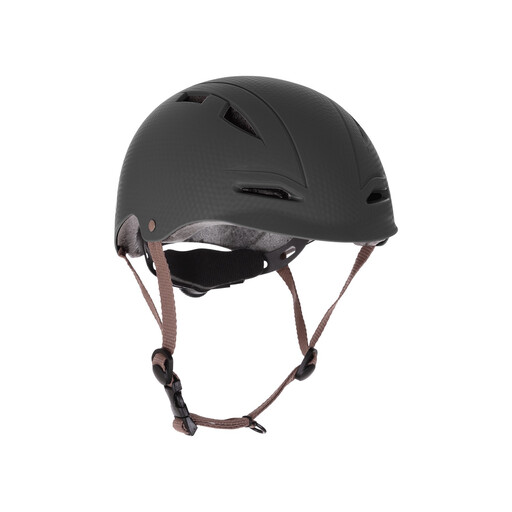
Kikka boo Helmet Black
Why it's a match: Ideal for children who are just starting to ride a bike or scooter. Its classic design and straightforward usability make it a reliable companion for everyday adventures in the park or on the way to school.
The helmet features an adjustment system for head circumferences from 46 to 56 cm, bypassing the 'one-size-fits-all' trap. The 9 ventilation openings prevent heat buildup.
Meets the CE EN 1078 safety standard according to the manufacturer. The combination of a shock-resistant ABS outer shell and an EPS inner layer provides solid protection.
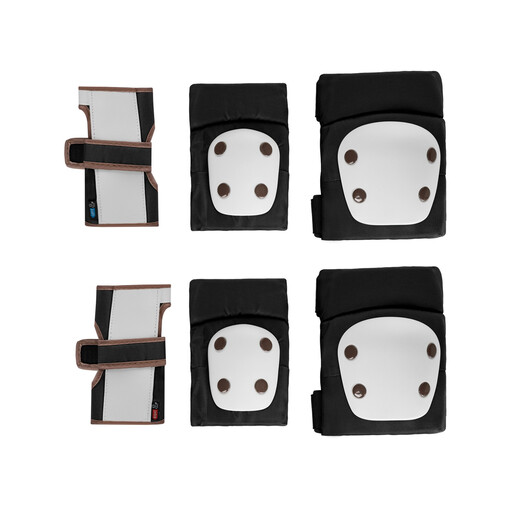
Kikka boo Knee and Elbow Pad Set Black
Why it's a match: For active kids who enjoy inline skating, skateboarding, or scootering. This 6-piece set offers all-around protection for knees, elbows, and wrists, perfectly complementing a helmet.
This set addresses the pitfall of inadequate materials with a hard shell made of polypropylene and padding made of EVA foam. Elastic Velcro straps ensure a secure fit without slipping.
Comprehensive 6-piece set (2x knee pads, 2x elbow pads, 2x wrist guards). Its light weight of only 0.21 kg ensures excellent wearing comfort.
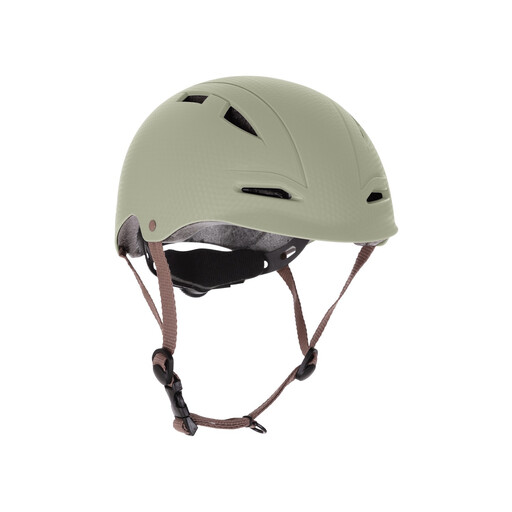
Kikka boo Helmet Army Green
Why it's a match: For kids who appreciate a modern design without compromising on safety. The 'Army Green' colour offers a stylish alternative to standard colours.
This helmet combines design with function. It has the same safety-relevant features as other Kikka boo helmets: an adjustment mechanism for a stable fit and nine wide ventilation openings for optimal airflow.
Flexibly adjustable size from 46 to 56 cm, allowing the helmet to grow with your child over several years. The low weight of just 0.3 kg ensures great wearing comfort.
Looking for more options?
While helmets and pads protect during sports activities, in-vehicle safety is also crucial. Discover our range of safety-tested equipment.
Frequently Asked Questions (FAQ)
1. How do I correctly measure my child's head circumference for a helmet?
Use a flexible measuring tape and place it horizontally around your child's head, about a finger's width above the eyebrows and ears. The tape should wrap around the widest part of the back of the head. Note the circumference in centimetres and compare it with the manufacturer's size specifications.
2. At what age should a child start wearing a helmet?
A child should wear a helmet as soon as they start riding a balance bike, scooter, or bicycle. This also applies to using skateboards or inline skates. Getting used to wearing a helmet early on promotes safety awareness and establishes an important routine.
3. When do I need to replace a child's helmet or pads?
A helmet must be replaced after any significant impact or fall, even if there is no visible damage. The impact can cause micro-cracks in the EPS foam interior, which compromises its protective function for future falls. Pads should be replaced if the hard shells have cracks, the straps are stretched out, or the padding is heavily compressed. Regularly inspect the gear for wear and tear.