
Security Lock Buyer’s Guide: Avoiding Costly Mistakes
Choosing the right security lock can be overwhelming. The market offers a vast array of options, but not all of them deliver on their promises. An unsuitable lock not only provides inadequate protection for your property but often represents a wasted investment. Before you make a decision, it's crucial to understand the most common pitfalls that lead to disappointment.
The 3 Most Common Pitfalls When Buying Security Locks
Many products boast a rugged appearance or advanced technology, but a closer look reveals critical flaws. Here are three common problems you should be aware of:
- Deceptive Durability: A solid-looking body or a thick steel casing gives the impression of high security. However, these often conceal inferior materials or weak lock cylinders that can be quickly overcome with simple tools. Appearance alone is not a reliable indicator of real protection.
- Impractical for Daily Use: The most secure lock is of little use if it's so heavy or cumbersome to operate that it isn't used consistently. An overly heavy chain lock for a bicycle or a complicated-to-attach wheel clamp often goes unused, offering no protection at all.
- Overlooked Smart Lock Vulnerabilities: An electronic door lock or smart lock offers convenience but comes with its own set of risks. Short battery life, a lack of an emergency override option during a power outage, or an inadequately secured app connection can create new security gaps that don't exist with traditional locks.
What Really Matters: Crucial Parameters for Your Selection
To avoid a bad purchase, focus on objective and verifiable criteria. The following three parameters are crucial for the reliability and longevity of a security lock.
1. Lock Material and Construction
A lock's resistance is directly dependent on the materials used. Look for specifications like hardened steel for shackles, chains, or bodies. This material offers significantly higher resistance to cutting, sawing, or drilling attacks than simple steel or zinc alloys. The quality of the lock cylinder is equally critical. A good cylinder should be protected against picking (manipulation with special tools) and drilling.
2. The Right Locking Mechanism
The choice of mechanism should depend on your personal security needs and convenience preferences.
- Keyed Lock: Often provides very high protection, as complex cylinders are difficult to manipulate. The downside is the key, which can be lost or stolen.
- Combination Lock: Very practical as no key is needed. Models with 5 digits offer 100,000 possible combinations, making them significantly more secure than 4-digit variants (10,000 combinations).
- Smart Lock: Ideal for maximum convenience with unlocking via fingerprint, app, or code. Here, it's important to look for long battery life, a mechanical emergency override, and a high IP rating (e.g., IP65) to protect the device from dust and water.
3. Application and Specific Features
A lock must be suitable for its specific purpose. A lightweight bike lock is insufficient for an expensive e-bike, while a massive wheel clamp provides the most effective visual deterrent for a parked car or trailer. For the secure storage of keys, such as for holiday rentals or care services, a wall-mounted key lock box is the right solution.
Chosen Products for Your Profile
To make your decision easier, we have put together products for different user profiles and their specific requirements.
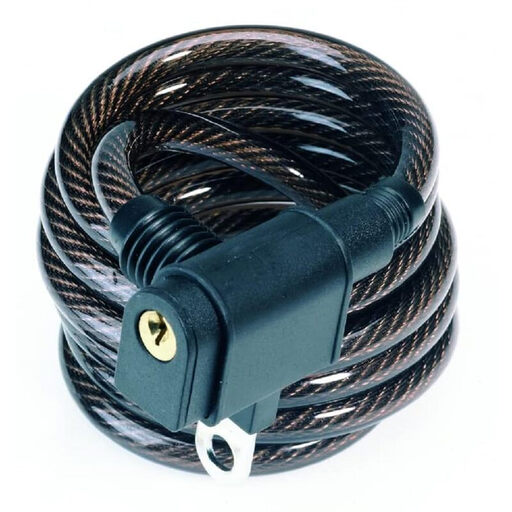
Prophete Spiral Cable Bike Lock 150cm x 8mm with Seat Post Clamp
Why This Fits Their Persona: Ideal for short stops in low-theft-risk areas. The lock is lightweight, flexible, and thanks to the mount, it's always on the bike without getting in the way. Perfect for a city bike or a quick trip to the bakery.
This lock sidesteps the "impractical for daily use" trap. It is intentionally designed as a lightweight and flexible solution for basic protection, not as a high-security lock, which sets realistic expectations.
The 150 cm length offers plenty of room to secure your bike to lampposts or bike racks. The included seat post clamp ensures a rattle-free ride.
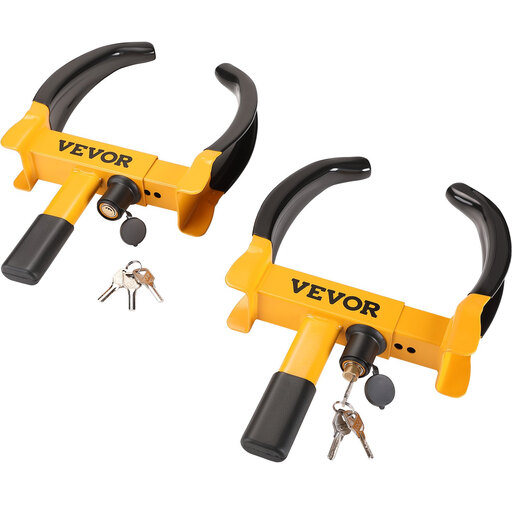
VEVOR Anti-Theft Wheel Clamp Parking Lock
Why This Fits Their Persona: For owners of cars, SUVs, or trailers parked in unsecured locations like on the street, in public car parks, or for extended periods. The clamp serves as a massive, highly visible deterrent.
This product avoids the "deceptive durability" trap. It relies on a solid steel construction and a conspicuous finish that not only provides physical resistance but, more importantly, creates a strong visual deterrent.
The universal fit with 9 adjustable positions is suitable for a wide range of vehicles. The Q235 steel construction is designed for durability and resistance.
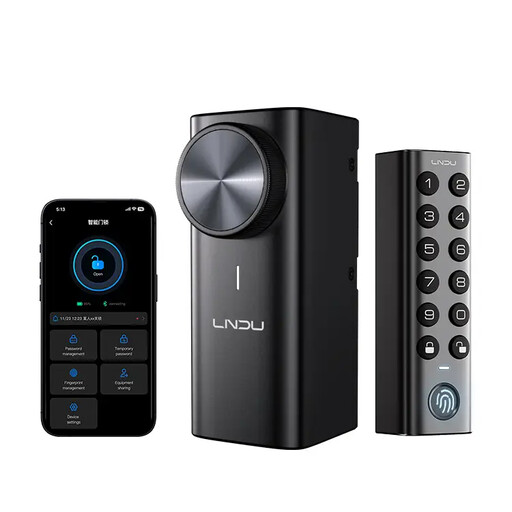
LNDU DL500 Smart Lock Retrofit Door Lock
Why This Fits Their Persona: For users who value the convenience of keyless entry to their home and want to manage access permissions via an app. Ideal for families or managing holiday rentals.
This smart lock counters the "smart solution vulnerabilities" with an integrated emergency knob for manual opening and a long battery life of up to 240 days. The IP65 certification protects it from the elements.
Offers multiple unlocking methods (fingerprint, password, app) for high flexibility. The anti-peep keypad protects your password from prying eyes.
Looking for More Options?
We have compiled a complete, up-to-date list of products that fully meet these strict selection criteria and rigorous safety standards.
Frequently Asked Questions (FAQ)
1. How do I find the right length for a bike lock? The ideal length depends on where you typically lock your bike. Shorter locks (under 90 cm) are lighter but limit your options. Longer locks (120 cm or more) offer the flexibility to secure the frame and often a wheel to thicker objects like lampposts or even multiple bikes at once. To get a good idea, measure the circumference of the objects you most frequently lock your bike to.
2. What does the IP rating mean on an electronic door lock? The IP (Ingress Protection) rating indicates how well an electronic device is protected against the intrusion of foreign objects (first digit) and water (second digit). A lock with an IP65 rating, like the LNDU DL500, is completely dust-tight (digit 6) and protected against water jets from any angle (digit 5). This is a crucial feature for locks mounted on exterior doors exposed to rain.
3. Can a combination lock be easily cracked? The security of a combination lock depends heavily on its quality. Very basic models with 3 or 4 digits can be more vulnerable. A 5-digit combination lock increases the number of possible combinations from 10,000 to 100,000, making systematic guessing significantly more difficult. However, just as important are the material quality of the body and shackle, as well as the construction of the internal mechanism, which protect against brute-force attacks.