
Choosing the Right Japanese Hot Pot Base: How to Avoid a Bad Buy
An authentic Japanese hot pot, also known as nabe, is a communal and warming dish perfect for social evenings. The key to a successful nabe lies in the quality of the broth. A ready-made Japanese hot pot base promises simple preparation without hours of simmering. However, the market offers an overwhelming selection, and not every product lives up to its promise. As your Joybuy Product Recommendation Officer, I'll help you navigate the common pitfalls and make an informed decision.
Common Pitfalls When Buying Hot Pot Bases
Many home cooks invest in high-quality ingredients like meat, vegetables, and tofu, only to be let down by a disappointing broth. Watch out for these three common problems to avoid making a bad purchase:
- Vague Flavor Claims: Terms like "authentic" or "traditional" are often just marketing fluff. Many products turn out to be overly salty or sweet soy sauce mixtures that lack the depth of flavor typical of nabe or sukiyaki. The result is a one-dimensional taste that overpowers the fresh ingredients rather than complementing them.
- Unclear Concentration: Are you buying a hot pot seasoning paste thinking it's a ready-to-use broth for hot pot? This mistake can ruin the entire dish. Highly concentrated pastes must be diluted exactly according to the instructions, while ready-to-use broths can be used directly. Incorrect application leads to a watery or unpalatably intense broth.
- Unexpected Ingredients: A miso base that appears vegetarian might contain hidden fish or seafood extracts. If you're specifically looking to buy sukiyaki sauce, you should also pay attention to the sugar and syrup content. A close look at the ingredient list is essential to avoid unwanted allergens or an excessive use of flavor enhancers.
What to Look For: Key Parameters
To find the right Japanese hot pot broth, you should check two to three fundamental criteria. These will help you find the product that perfectly matches your plans.
H2: Parameter 1: The Base Type – Nabe or Sukiyaki?
Not every Asian soup base is the same. In the Japanese context, two types are particularly relevant:
- Nabe Soup Base: This is a lighter, usually savory broth used for cooking a variety of ingredients. The flavors are diverse, ranging from miso (fermented soybean paste), shio (salt), and shoyu (soy sauce) to more complex versions like kimchi or tonkotsu. A nabe soup base is ideal for a classic hot pot experience where ingredients simmer slowly in the broth.
- Sukiyaki Sauce: Sukiyaki is a special type of hot pot where ingredients are cooked in a shallower pan with a sweet and savory sauce. This sauce is typically based on soy sauce, sugar, and mirin (sweet rice wine). It is significantly sweeter and more intense than a typical nabe broth.
H2: Parameter 2: Ingredient List and Flavor Profile
The ingredient list is your most reliable guide to the expected flavor profile. Pay attention to the main components:
- Soy Sauce (Shoyu): The foundation for many savory and umami-rich broths.
- Miso Paste: Provides a deep, earthy, and complex flavor.
- Fish and Seafood Extracts (e.g., Bonito, Kombu): Deliver a strong umami foundation characteristic of many traditional Japanese broths.
- Sugar, Mirin, Fructose Syrup: Clear indicators of a sweeter sauce, typical for sukiyaki.
Also, check if flavor enhancers like monosodium glutamate (MSG) or yeast extract are listed prominently, in case you wish to avoid them.
Top Picks by User Profile
To make your decision easier, we have matched some products from our range to different user profiles.
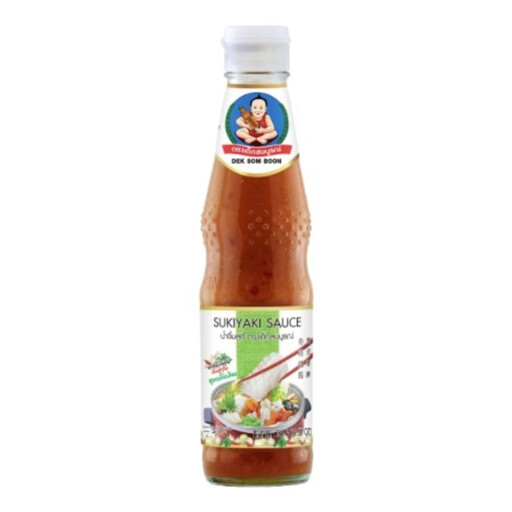
Healthy Boy Brand Sukiyaki Sauce (Original) 350g
Why This Fits Their Persona: Ideal for anyone trying sukiyaki at home for the first time. The sauce offers a classic, approachable sweet-and-savory flavor profile that is straightforward to use and provides excellent value for money.
The clear "Sukiyaki Sauce" label prevents confusion with a nabe broth. The flavor profile is predictably sweet and savory and isn't misleadingly declared as "universal."
Balanced sweet-and-savory profile. Versatile enough to be used as a marinade or for stir-fry dishes.
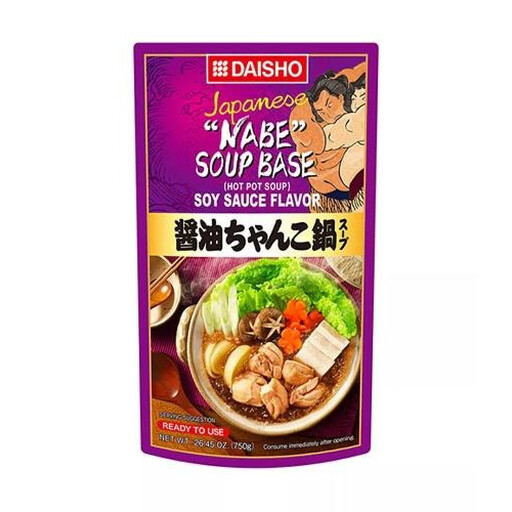
DAISHO Seasoning Paste for Chanko Nabe Hotpot, Soy 750g
Why This Fits Their Persona: Perfect for those seeking an authentic and rich nabe experience. Chanko nabe, the nourishing stew of sumo wrestlers, is known for its deep umami profile. This Daisho hot pot base delivers exactly that.
The specific "Chanko Nabe" designation sets a clear flavor expectation and distinguishes it from generic broths. As a paste, it's clear that it needs to be diluted, which bypasses the pitfall of incorrect concentration.
Deep umami flavor from soy sauce and fish extract. The 750g pack is economical and ideal for a meal with family or friends.
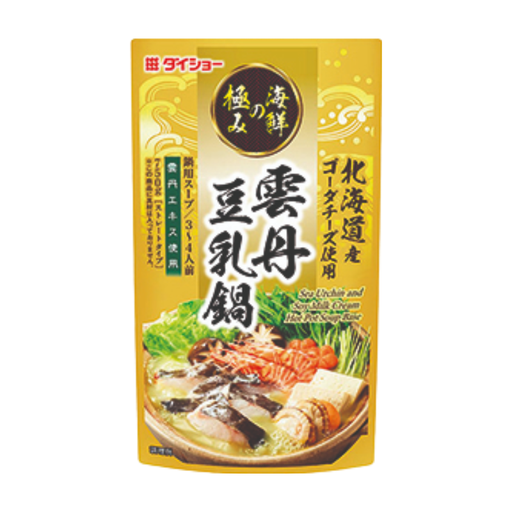
Daisho Seasoning Paste for Sea Urchin Soy Milk Hotpot 750g
Why This Fits Their Persona: For those seeking an extraordinary flavor experience. This base combines the creamy mildness of soy milk with the luxurious, slightly sweet taste of sea urchin—a modern and unconventional choice.
The extremely specific product name "Sea Urchin Soy Milk" leaves no room for false expectations. It doesn't promise a "classic" nabe, but a unique niche product, and it delivers exactly that.
Unique, creamy, and rich flavor combination. Creates a luxurious hot pot experience that stands out from standard broths.
Looking for More Options?
We've compiled a complete, up-to-date list of products that fully meet these strict selection criteria and German regulations.
Frequently Asked Questions (FAQ)
1. What is the difference between a nabe soup base and a sukiyaki sauce? A nabe soup base is a lighter, savory broth for cooking ingredients. A sukiyaki sauce is a sweeter, more intense sauce based on soy sauce, sugar, and mirin, used specifically for the dish of the same name in a shallow pan.
2. How much Japanese hot pot base do I need for 4 people? This depends heavily on the product's concentration. For a ready-to-use broth, you'll typically need 1 to 1.5 liters. For a concentrated paste like the 750g packs from Daisho, one pack is often enough for 3-4 people as it is diluted with water. Always check the manufacturer's instructions on the packaging.
3. Can I use a hot pot base for other dishes? Yes, many bases are versatile. A sukiyaki sauce is excellent as a marinade for meat or as a seasoning for stir-fry dishes. A savory nabe base can be used as a foundation for Japanese noodle soups (ramen, udon) or as a flavorful cooking liquid for stews.