
Jam and Fruit Spread 2026: A Buying Guide for Breakfast, Baking and Desserts
Whether you are looking for strawberry jam for breakfast, apricot jam for croissants or a dessert sauce for ice cream, the selection of sweet fruit products is extensive. Product names, fruit content and sugar information are not always directly comparable, however. The following selection by the Joybuy Product Recommendation Officer helps you assess labels objectively and plan your online jam purchase more effectively.
Common Buying Mistakes with Jam and Fruit Spread
1. “Jam” is not automatically the correct product designation
Under German food law, the term “jam” is generally reserved primarily for citrus products. Spreads made from strawberries, apricots, cherries or blueberries are often labelled confiture, jelly or fruit spread. In everyday language, many products are referred to as jam, but when comparing products it is worth checking the precise legal product designation.
A high fruit content also does not automatically mean a low sugar content. A product may contain 50 or 60 grams of fruit per 100 grams and still contain sugar as a major ingredient.
2. “Less sugar” is often confused with “low sugar”
A reduced-sugar fruit spread may contain less sugar than a classic version, but it is not necessarily low in sugar. According to the product information, Schwartau Extra Less Sugar Strawberry Jam contains 37.4 grams of sugar per 100 grams. This is a specific nutritional value, not a general promise applying to all products with a similar name.
For a fair comparison, check the following:
- Sugar per 100 grams, not just the serving size
- Fruit content and the type of fruit used
- Ingredients such as sugar, glucose syrup or fructose-glucose syrup
- Texture: chunky, with seeds, smooth or seedless
- Jar size and price per 100 grams
3. Breakfast spreads and dessert products serve different purposes
A confiture should be easy to spread on bread. Raspberry sauce and other dessert sauces, by contrast, are usually more fluid and intended for ice cream, pudding, yoghurt or pastries. Caramel syrup is better suited to sweetening and flavouring coffee, milkshakes and desserts.
Anyone who simply chooses the jar with the lowest price may therefore not end up with the right format. For a household that enjoys breakfast regularly, a 340- or 450-gram jar may be a sensible choice. For occasional desserts, 125 millilitres of sauce or a smaller 170-gram jar may be sufficient.
Three Key Checks Before Buying
Fruit content and recipe
Fruit content is usually listed in the ingredients or highlighted in the product description. Examples from the range include:
- Schwartau Extra Strawberry Jam: strawberries as an ingredient, with a nutritional value of 53.4 grams of sugar per 100 grams
- Schwartau Extra Apricot Jam: 50 grams of apricots per 100 grams
- Alnatura Organic Apricot Fruit Spread: 55% apricots according to the product information
- Schwartau Extra Blueberry Jam: blueberries, sugar, concentrated lemon juice and pectin
When choosing a bio fruit spread, also check for a valid organic seal and the control body number. According to the product information, the Alnatura spread carries the designation AT-BIO-301. The information on the current packaging is decisive.
How to interpret nutritional values correctly
Comparing products per 100 grams is the most practical approach. Classic products often contain around 200 to 250 kilocalories per 100 grams, while reduced-sugar varieties in the available product data list approximately 159 kilocalories per 100 grams. These figures refer to the respective product data and may change if the recipe is updated.
With syrups, carbohydrate and sugar levels are generally much higher. According to the product information, Monin Caramel Syrup contains 79.3 grams of sugar per 100 millilitres. It should therefore be viewed as a concentrated flavouring for drinks and desserts, rather than as a spread for bread.
Storage, allergens and consumption
Unopened jars and bottles are often stored in a cool, dry place. Once opened, many fruit spreads should be kept in the refrigerator. Use a clean knife or spoon to minimise the amount of moisture and foreign material entering the jar.
Allergens require particular attention with dessert powders and sauces. According to the product description, Dr. Oetker Bourbon Vanilla Dessert Sauce contains milk ingredients. Dr. Oetker Lübeck Marzipanrohmasse contains 53% almonds and may contain other nuts. If you have allergies, always refer to the current ingredients and allergen information on the packaging.
Our Selection by Usage Profile
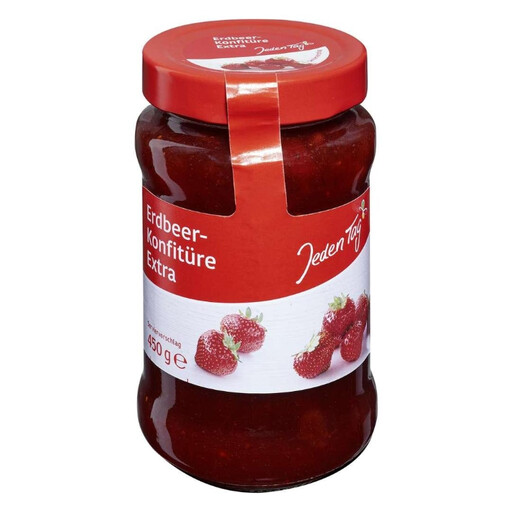
Jeden Tag Strawberry Extra Jam 450g
Why it is a good fit: The 450-gram jar is ideal for households that regularly serve toast, bread rolls, yoghurt or pastries with strawberry spread.
The larger fill size makes it easier to compare prices per 100 grams and reduces the need to buy several small jars.
62.5% strawberries according to the product information; suitable for spreading, stirring into dishes and filling pastries.
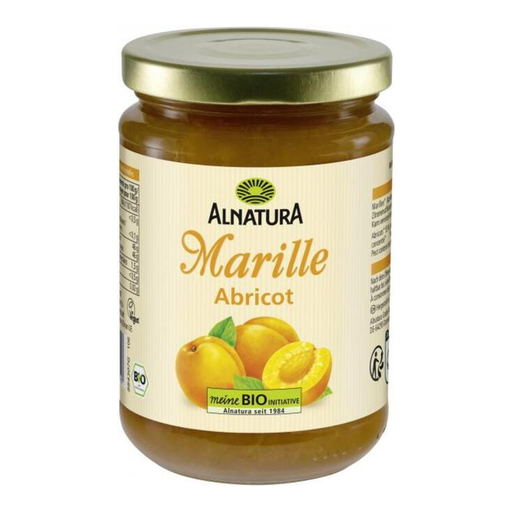
Alnatura Organic Apricot Fruit Spread 420g
Why it is a good fit: For shoppers who prioritise organic certification, a vegan recipe and a clearly stated fruit content.
The organic control body number is listed in the product data; nevertheless, check it on the jar delivered to you.
55% apricots; vegan, vegetarian and lactose-free according to the product description.
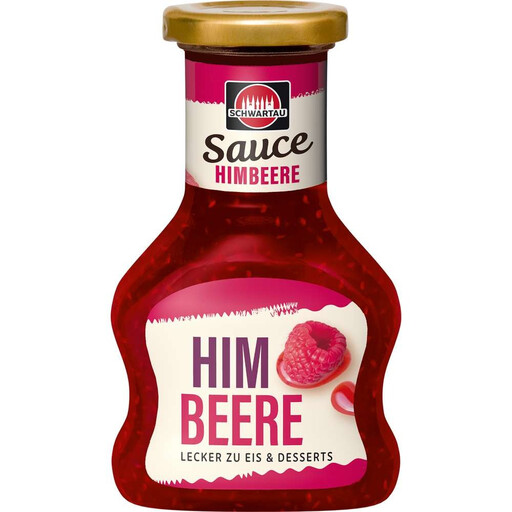
Schwartau Raspberry Dessert Sauce 125ml
Why it is a good fit: The pourable raspberry sauce is designed for ice cream, pudding, fruit salad, milkshakes and fine pastries.
Its intended use makes it clear that this sauce should not be confused with a spreadable fruit preserve.
50% raspberries according to the product data; refrigerate after opening.
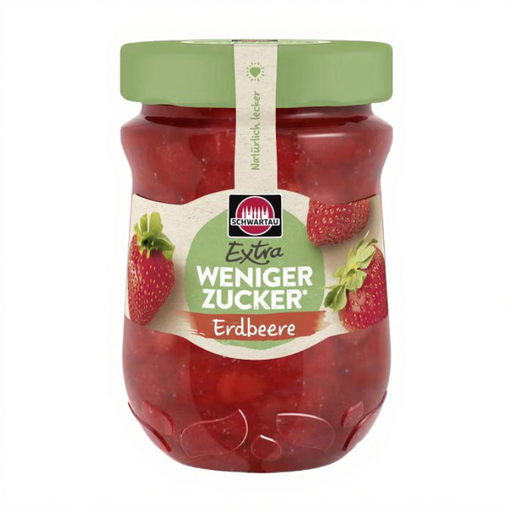
Schwartau Extra Less Sugar Strawberry Jam 300g
Why it is a good fit: For people looking for a strawberry spread with a stated reduced sugar content and who want to compare nutritional values directly.
The stated 37.4 grams of sugar per 100 grams makes the “Less Sugar” claim verifiable.
159 kilocalories per 100 grams according to the product data; 50 grams of strawberries per 100 grams.
More Products for Your Pantry
A range of options is available for different tastes and recipes:
- Blueberry jam: Cupid Blueberry Jam 170 g or Schwartau Extra Blueberry Jam 340 g.
- Cherry preserve: Bonne Maman Cherry Conserve 370 g.
- Apricot jam: Bonne Maman Apricot Conserve 370 g or Schwartau Extra Apricot Jam 340 g.
- Fruity alternatives: Sera Black Mulberry Jam with 45% black mulberries or Schwartau Samt Red Berries Fruit Spread, which is seedless according to the product description.
- Baking ingredients: Dr. Oetker Lübeck Marzipanrohmasse 200 g.
- Dessert finishing touches: Dr. Oetker Vanilla Sauce powder, Schwartau Dessert Caramel Sauce or Monin Caramel Syrup.
- Small pack sizes: KEWPIE Strawberry Jam and Cupid Blueberry Jam are each available in 170-gram jars.
Discover More Options
The complete category brings together dessert sauces for ice cream, pudding, fruit, pastries and other sweet creations. Before ordering, check the fill quantity, ingredients, nutritional values and storage instructions for the product in question.
FAQ About Jam and Fruit Spread
What is the difference between jam, confiture and fruit spread?
“Jam” is legally used primarily for citrus products. Spreads made from strawberries, apricots, cherries or other fruits are generally sold as confiture or fruit spread. In everyday speech, however, the terms are often used interchangeably. When buying, fruit content, sugar levels and the ingredients list are more important than the product name alone.
How long does an opened jar last?
This depends on the product, packaging and storage conditions. Many manufacturers recommend refrigerating opened fruit spreads and consuming them promptly. Use clean utensils and follow the instructions on the label. Once opened, a best-before date does not replace checking the product’s smell, appearance and consistency.
What quantity is suitable for a family household?
For regular breakfasts, jars containing 340 to 450 grams are often the most practical. Smaller 125- to 170-gram packs are suitable for trying a product or for households with occasional consumption. For dessert sauces and syrups, the intended use should be the deciding factor, as they are generally used in measured portions.