
Buying Instant Noodles: A Guide to Choosing Flavour, Ingredients and Stock
Instant noodles are practical, quick to prepare and available in many different styles. At the same time, Asian instant noodles vary considerably in portion size, heat level, ingredients and preparation method. If you buy based solely on the packaging or advertising claims, it is easy to overlook important details: a product may be described as “mild” but still contain chilli; a multipack may appear attractive in terms of price even though the portion size is smaller; and ramen often contains allergens such as wheat, soya or sesame in its seasoning.
This guide explains what consumers in Germany should look out for when buying instant noodles and which products suit different needs.
Common misconceptions when buying instant noodles
1. Heat-level descriptions are not always clear
Terms such as “Hot”, “Spicy” or “Korean Ramen” indicate a flavour style, but not a consistent level of heat. Korean ramen can range from mild to distinctly spicy. Sweet and spicy Mi Goreng or Chengdu cold noodles also often contain chilli oil or chilli powder.
If you are sensitive to spicy food, check the ingredients list. Terms such as chilli, paprika, chilli extract or Sichuan pepper indicate a corresponding seasoning. For a milder flavour, products labelled “Mild” or plain vegetable broths may be suitable.
2. Do not judge “vegetarian” and “Halal” by the name alone
For vegetarian ramen, check the ingredients in the noodles, soup base and vegetable garnish. A product may contain no meat ingredients but still carry warnings about possible traces of fish, shellfish or egg. According to the product information, Nongshim Soon Veggie Ramyun 112g contains wheat and soya; possible traces of other allergens are also listed.
For products labelled Halal, buyers should also check the specific labelling on the product page and packaging. This is particularly important for seasoning mixes, flavourings and imported products.
3. A multipack is not automatically the right choice
Instant noodles in a multipack are suitable for keeping in stock, shared accommodation or regular quick meals. Before buying, it is worth checking the total weight, number of portions and preparation method. A box of 30 x 100-g bags should be assessed differently from a 5-pack of 80-g portions or a cup version.
Parameters to check before buying
Portion size and preparation format
Bags, cups and bowls differ in everyday use:
- Bag noodles are usually cooked in a saucepan and can be enhanced with egg, vegetables or tofu.
- Cup noodles generally only require hot water and are suitable for the office, travelling or short breaks.
- Stir-fried instant noodles such as Mi Goreng or Yakisoba are drained after cooking and mixed with sauce.
- Cold noodles such as Chengdu cold noodles are often combined directly with sauce and toppings.
Check the stated amount of water and the steeping or cooking time. Depending on the product, this may be around three to five minutes, while cups may require a steeping time of four to six minutes.
Ingredients and allergens
Many Japanese ramen, Korean ramen and Chinese instant noodles contain wheat and soya. Sesame is often found in sesame oil or as seeds in the seasoning mix. Other possible allergens include egg, milk, fish, peanuts, celery and mustard.
The ingredients list on the packaging is authoritative. Online product information should be checked against the current packaging before purchase, as recipes or labelling may change.
Nutritional values and salt content
Instant noodles often contain concentrated seasonings. It is therefore worth comparing the nutritional values per 100 g and, where available, per portion. For soups, the salt content usually refers to the entire product. If you want to adjust the seasoning, you can initially use only part of the soup powder and add fresh vegetables. However, this changes the product’s original characteristics and should not be understood as a nutritional claim.
Our selection by user profile
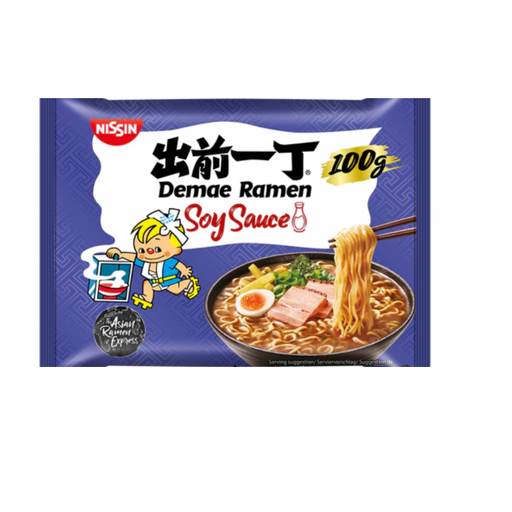
NISSIN Instant Demae Noodles Bag Tokyo Soy 100g
Why this product suits this profile: The 100-g portion offers an easy introduction to Japanese ramen with soya sauce seasoning and a cooking time of around three to five minutes.
The product information clearly states the portion size, preparation method and allergens such as wheat, soya and celery.
Individual bag portion, soya sauce flavour and straightforward saucepan preparation.
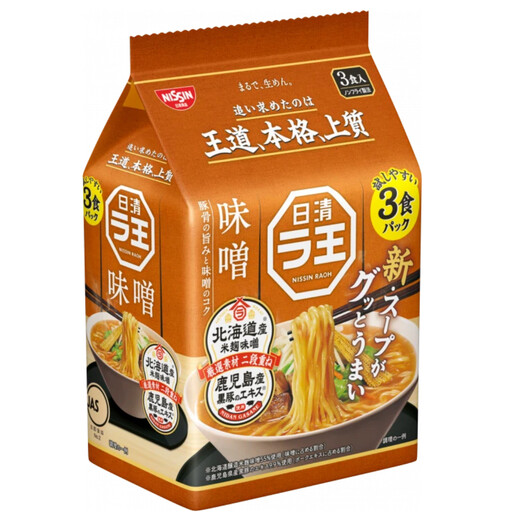
Nissin Raoh Miso Ramen 3 Packs 276g
Why this product suits this profile: According to the product description, the three individual portions use non-fried noodles and a miso soup base containing several ingredients.
The pack size and saucepan preparation are clearly stated; check allergens such as wheat, soya, milk, egg, sesame, fish and pork before buying.
3-pack, miso flavour and non-fried noodles according to the product information.
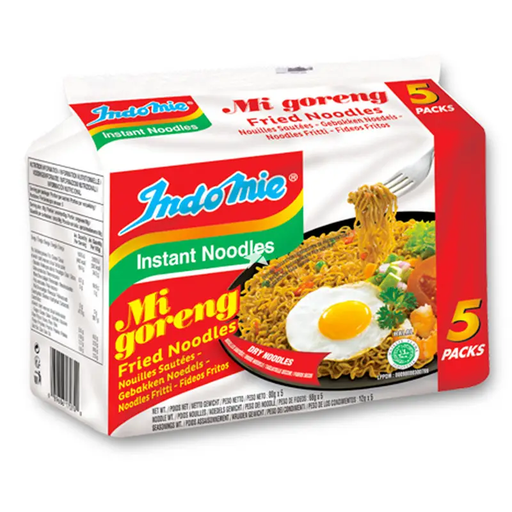
Indomie Noodle Mi Goreng 5 x 80g
Why this product suits this profile: The 5-pack is suitable for keeping in stock. After cooking, drain the noodles and mix them with oil, seasoning and sweet soya sauce.
The product details state that there are five portions, with a cooking time of around three minutes, and identify wheat and soya allergens.
5-pack, Indonesian Mi Goreng preparation and individual 80-g portions.
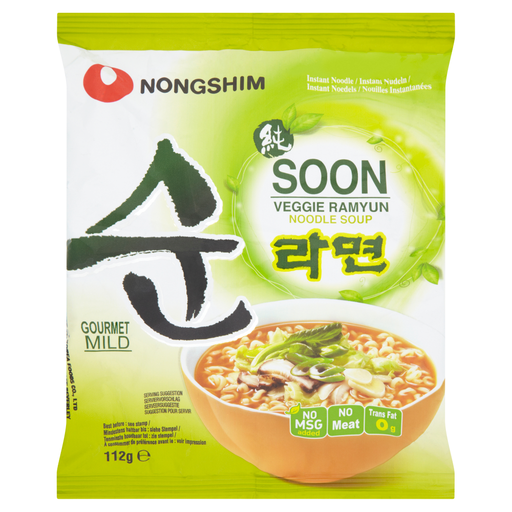
Nongshim Instant Noodle Soon Veggie 6 X 112g Vegetable
Why this product suits this profile: According to the product description, the 6-pack contains no meat ingredients and includes a vegetable broth with pak choi and carrot.
The product information identifies wheat and soya and lists possible traces of other allergens. These details help you make a targeted choice.
6 individual packs of 112 g each, vegetable seasoning and a vegetarian product description.
Looking for more options?
We have put together a complete, regularly updated list of products that fully meet these strict selection criteria and the safety regulations applicable in the EU.
Preparation and useful additions
For a quick meal, the amount of water stated on the packaging is usually sufficient. For soups, the noodles and seasoning powder should be completely covered with hot water. With Mi Goreng and Yakisoba, drain the water after cooking. Then mix in the seasoning sauce evenly.
Fresh vegetables, spring onions, tofu or an egg can be added to the meal. Check any additional ingredients for individual allergies and dietary requirements too. For products with a short preparation time, use the contents soon after opening. Store dry products in a cool, dry place protected from direct sunlight.
Frequently asked questions about instant noodles
How long do instant noodles keep?
The best-before date is shown on the packaging. Unopened products should be stored in a dry, cool and dark place. After opening individual bags or seasoning sachets, preparing them promptly is recommended. Cooked noodles should not be kept at room temperature for an extended period.
Are instant noodles vegetarian?
Not every Asian noodle soup or ramen is vegetarian. Look out for meat powder, fish sauce, chicken flavouring, animal extracts and corresponding trace warnings. According to the product information provided, the Nongshim Soon Veggie version is described as containing no meat ingredients; the complete labelling on the packaging remains authoritative.
What is the difference between ramen, Mi Goreng and Yakisoba?
Ramen is usually served as noodle soup with broth. Mi Goreng refers to an Indonesian preparation in which the cooked noodles are drained and mixed with seasoning sauce. Yakisoba means Japanese-style fried noodles prepared in a frying pan with sauce. The right option therefore depends not only on flavour, but also on the cookware available and the preparation time.