
Induction saucepans: how to choose the right material, size and hob compatibility
An induction saucepan needs to do more than simply work with a magnetic field. In everyday use, the right dimensions, a suitable base, secure handles and easy cleaning all matter. If you also need a saucepan for a gas hob and ceramic hob, be sure to check the hob compatibility details carefully.
Product descriptions often use terms such as ‘non-stick’, ‘suitable for all hob types’ or ‘particularly durable’ without explaining the details that really matter. The following criteria can help you distinguish marketing claims from practical product features.
Common pitfalls when buying an induction saucepan
1. Induction compatibility is not always clearly explained
A saucepan will only work on an induction hob if its base is magnetic and makes sufficient contact with the cooking surface. If you’re looking for an induction-compatible saucepan, the product description should explicitly state that it is suitable for induction. A ‘multi-layer’ or ‘reinforced’ base on its own is not enough to confirm this.
If you use several types of hob, also check whether the product is suitable for gas, electric and ceramic hobs. According to their product descriptions, some of the models featured here work with induction, gas, electric and ceramic hobs.
2. Coatings are mistaken for easy-care surfaces
A coated saucepan can make it easier to remove food. However, a ceramic coating is not automatically resistant to overheating or metal utensils. For coated models, it’s therefore recommended that you cook over medium to low heat and use wooden, silicone or plastic utensils.
A saucepan with a ceramic coating should also be allowed to cool before you wash it with water. A sudden change in temperature can put stress on the coating or the body of the pan.
3. Diameter and capacity are confused
A diameter of 18 or 20 cm doesn’t automatically tell you how much a saucepan can hold. Its shape, height and rim design all affect its usable capacity. A 14 to 16 cm saucepan is often enough for small portions of sauce. For soups and stews for the family, larger models of around 20 to 24 cm are often more practical.
The key things to consider
Material: coating or stainless steel?
A stainless steel saucepan for induction is a good option if you prefer an uncoated cooking surface. Stainless steel can be used at high temperatures, but you’ll need to choose the right heat setting and clean it correctly. Water spots or rainbow-coloured discolouration may appear; according to product information, these can be treated with vinegar or lemon slices, for example.
Aluminium saucepans with a ceramic coating are often lighter than comparable stainless steel models. They’re suitable for sauces, milk-based dishes and everyday cooking. However, the coating needs careful handling: don’t overheat the pan when empty, avoid metal utensils and, where possible, wash it by hand with a soft sponge.
Size and what you’ll use it for
- 14 cm: suitable as an induction milk pan for milk, small portions of sauce or individual servings
- 16 to 18 cm: a good choice for sauces, side dishes and smaller households
- 20 cm: versatile for soups, stews and everyday meals
- 24 to 26 cm: suitable for larger portions, stock and family meals
A saucepan set can cover a range of sizes, but it’s only worthwhile if you’ll use each pan regularly. If you mainly heat milk or make sauces, you don’t necessarily need a large set.
Handles, lids and cleaning
Bakelite handles may get less hot during everyday cooking than metal handles. However, they can still warm up with prolonged use or at high temperatures, so it’s a good idea to keep oven gloves or pan holders handy. Stainless steel handles are sturdy, but they can conduct heat.
Also check whether a lid is included, whether the model is oven-safe and whether it can go in the dishwasher. The Maxcook model with wooden handles, for example, is recommended for hand washing. A glass lid makes it easy to keep an eye on your food, while a stainless steel lid is usually less prone to scratches.
Our picks for different cooking needs
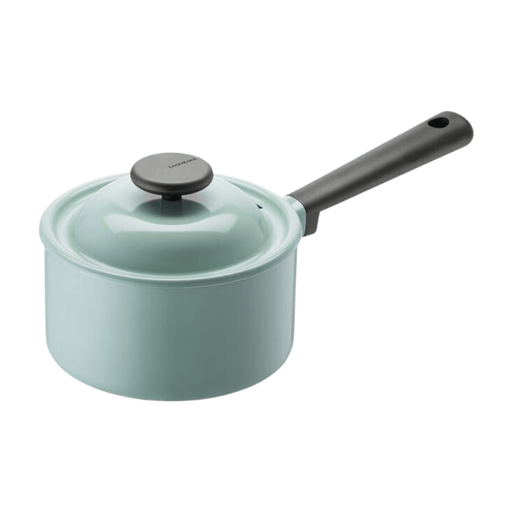
LocknLock Decor IH induction saucepan 18 cm
Why it’s a good fit: This 18 cm saucepan is suitable for sauces, small portions of soup and everyday meals. Its aluminium body, ceramic coating and Bakelite handle combine a light weight with a practical size.
The product details explicitly state that it’s suitable for induction, gas, electric and ceramic hobs. This means you don’t have to rely on the product name alone to work out whether it’s compatible.
18 cm diameter, ceramic coating inside and out, and compatibility with four types of hob.
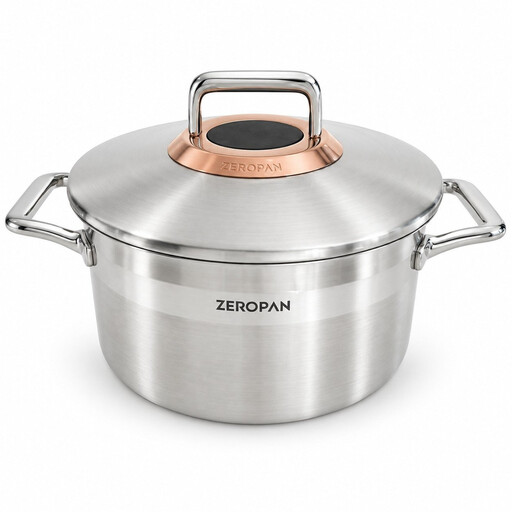
ZEROPAN Königtum stock pot 24 cm / 4 l
Why it’s a good fit: This 24 cm stock pot is designed for households that cook larger quantities and prefer an uncoated stainless steel construction.
The product details clearly state the diameter, 4 l capacity, 316L stainless steel and 430 induction base.
Tri-Ply construction, stainless steel body, lid and compatibility with induction, gas, electric and ceramic hobs.
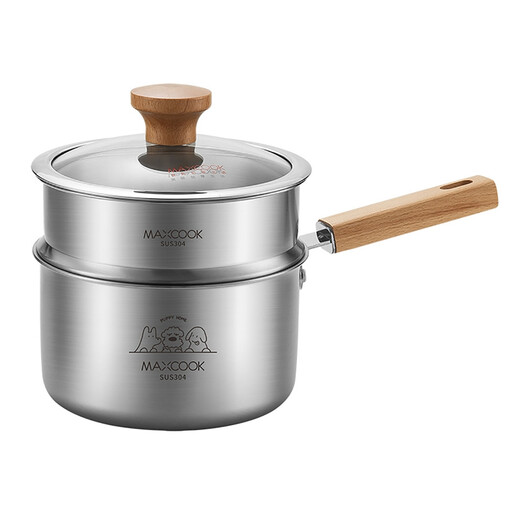
MAXCOOK Tri-Ply 304 stainless steel saucepan 18 cm with steamer insert
Why it’s a good fit: With a capacity of around 2.5 l, this saucepan is designed for smaller households and a range of uses, including steaming, boiling and simmering.
The product details specify the material, capacity and compatible hob types, so you can check that the saucepan suits your needs before buying.
304 stainless steel, steamer insert, around 2.5 l capacity and induction compatibility.
Looking for more options?
We’ve put together a complete, regularly updated list of products that meet these strict selection criteria and fully comply with the safety regulations in force in the EU.
Practical tips for use
Before using a new saucepan for the first time, wash it with warm water and mild washing-up liquid. According to the product details, stainless steel models may have manufacturing residue. You may need to boil water in the pan and then dry it thoroughly.
Don’t heat coated models on a high setting when they’re empty. Medium to low heat is also recommended for stainless steel, particularly on gas hobs. If possible, add salt only once the water is hot, as it can otherwise cause discolouration.
Frequently asked questions about induction saucepans
How can I tell whether a saucepan is induction-compatible?
The product description must explicitly list induction as a compatible hob type. A magnetic or magnetically conductive base is required. The manufacturer’s information is the definitive guide to compatibility.
What size is suitable for a two-person household?
A 16 to 18 cm saucepan is often enough for sauces and side dishes. A 20 cm saucepan gives you more room for soup, pasta or smaller stews. As well as the diameter, check the stated capacity.
Is a stainless steel or coated saucepan easier to clean?
Coated models can make it easier to remove food, but they need gentle utensils and careful handling. Stainless steel is uncoated and is often dishwasher-safe, but water spots or food sticking to the surface can be an issue. The right choice depends on what you cook and how you prefer to clean.