
Small Induction Pots: Choosing the Right Cookware for Compact Hobs
Cooking in a compact apartment kitchen or preparing meals for one often means dealing with awkward cookware sizes. Standard stockpots take up disproportionate space on narrow hob surfaces, leaving little room for additional pans. When switching to induction cooking, the challenge becomes even more noticeable. If a pot base is too narrow or lacks an adequately responsive magnetic core, the cooking zone can fail to recognise the vessel entirely, leaving you with flashing hob errors instead of a hot meal.
Selecting the right small induction pot requires balancing compact external dimensions with sound base engineering. Whether you are reducing a delicate wine sauce, simmering a single portion of soup, or boiling sides such as rice and seasonal vegetables, matching your cooking habits with the correct base construction and material ensures rapid heat transfer without frustrating hob drop-outs or cluttered storage cupboards.
Common Pitfalls When Buying Small Induction Cookware
Overlooking Minimum Hob Recognition Diameters
Induction cooktops rely on internal sensor coils that require a minimum magnetic footprint to activate heat delivery. Many standard cooking zones will not engage with bases smaller than 12 or 14 cm. Buyers frequently purchase petite butter warmers or miniature milk pans only to find their cooktop displays an error symbol. Verifying that the pot base matches your hob zone minimums prevents heat transfer failures.
Mismatched Interior Surfaces for Delicate Sauces
Uncoated stainless steel is exceptionally durable and non-reactive, making it ideal for boiling or acidic reductions, but it requires diligent temperature management when working with starches or dairy. Choosing bare metal for delicate sauces often results in scorched ingredients and stubborn cleaning. Conversely, relying on delicate non-stick coatings for heavy boiling or metal utensils leads to premature surface wear.
Poor Pan Balance and Long Handle Clashes
Small pots naturally have lower overall weight, meaning an oversized or excessively heavy handle can cause an empty pan to tip on smooth ceramic glass. Furthermore, on compact two-zone hobs common in smaller city apartments, elongated handles often stick out over the worktop edge or collide with adjacent pans, creating genuine spill hazards.
Key Specifications to Evaluate Before You Buy
Base Construction and Magnetic Response
An induction pot requires a flat, ferrous bottom layer to generate an efficient electromagnetic circuit. A bonded multi-layer sandwich base prevents the warping that can break contact with the glass cooktop.
- Ferrous Core Density: A robust magnetic base plate ensures immediate recognition by the cooktop sensor and prevents intermittent power pulsing.
- Contact Surface Flatness: A perfectly level bottom ensures uniform heat distribution across the base, avoiding hot spots during simmering.
Core Material and Heat Distribution
The choice between stainless steel and aluminium dictates how responsive the pot is to temperature adjustments and how forgiving it remains during daily meal preparation.
- Stainless Steel Resilience: Resists corrosion from acidic sauces, withstands rigorous washing, and provides thermal stability for steady boiling.
- Aluminium Responsiveness: Forged aluminium conducts heat quickly and evenly across both the floor and walls, ideal for rapid temperature changes.
Ergonomics and Kitchen Usability
Practical detailing makes compact cooking vessels considerably safer and more convenient when working within limited kitchen footprints.
- Stay-Cool Grips: Heat-insulating materials like Bakelite or hollow-core steel keep handles comfortable to grasp without oven gloves.
- Functional Additions: Clear glass lids and integrated internal liquid scales streamline portioning and monitoring without dirtying extra utensils.
Our Top Recommendations for Compact Induction Pots
These induction-ready cookware choices cater to varied culinary tasks, kitchen dimensions and portion sizes.
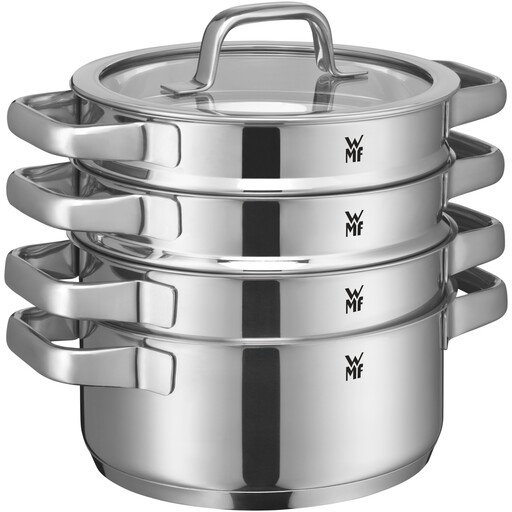
WMF Compact Cuisine 4-Piece Induction Cookware Set
Why This Fits Their Persona: This four-piece set provides high-grade Cromargan stainless steel construction designed with a stackable profile that nests neatly inside small kitchen cupboards. The accompanying glass lids allow clear visual monitoring during long simmering sessions without losing heat or moisture.
Solves the storage dilemma common in small apartments by providing multiple cooking vessels that occupy the footprint of a single pot on the shelf.
Polished Cromargan stainless steel construction featuring integrated internal measuring scales delivers exceptional durability and effortless liquid portioning directly inside the vessel.
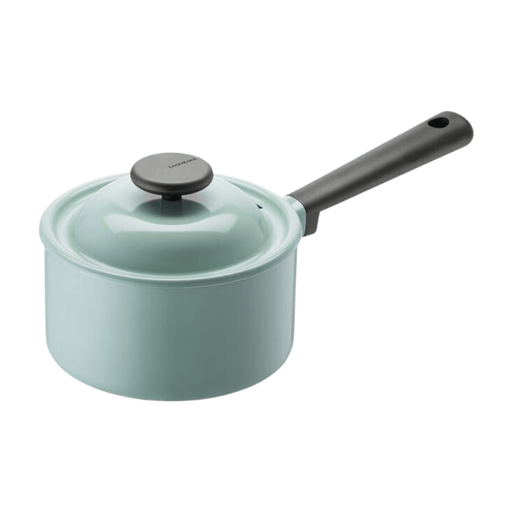
LocknLock Decor IH 18 cm Ceramic Induction Saucepan
Why This Fits Their Persona: With its compact 18 cm diameter and smooth ceramic non-stick interior, this saucepan is tailored for single portions, morning oats, and delicate sauces. The mint green exterior brings a modern look to the hob, while the flat induction base ensures reliable sensor engagement.
Prevents the burnt residues and difficult scrubbing typical of delicate dairy or starch-based sauces prepared in small uncoated vessels.
The ergonomic Bakelite handle remains comfortably cool during use, offering safe and stable control when pouring liquids on crowded cooktops.
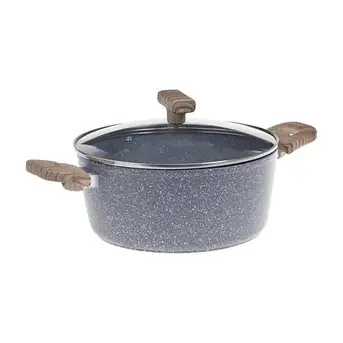
5five 24 cm Forged Aluminium Induction Pot with Lid
Why This Fits Their Persona: Providing an expansive 24 cm base while retaining the manageable weight of forged aluminium, this lidded pot is well-suited for medium family side dishes, pasta, and steamed greens. The natural finish fits cleanly into any contemporary kitchen aesthetic.
Eliminates sensor recognition problems on medium-to-large induction zones by offering an ample, uninterrupted contact area.
Forged aluminium construction provides swift, edge-to-edge heat conduction across the base and sidewalls without the excessive weight of cast iron.
Explore Broader Cookware Solutions
If your cooking needs extend beyond compact formats to larger batch capacities, specialised sauté shapes, or dedicated non-stick frying pans, explore our wider catalogue of induction-ready kitchen essentials.
Frequently Asked Questions
Will an induction cooktop reliably recognise a pot with a small base diameter?
Most modern domestic induction cooktops specify a minimum base diameter for each zone, generally ranging between 12 and 14 cm. If a pot has a high-density magnetic core that covers this required area, the hob will detect it without issue. Placing a small pot on an oversized induction zone can occasionally cause detection failures, so matching the vessel to your smallest cooking zone produces the most consistent results.
Which material works better for sauces and side dishes: stainless steel or coated aluminium?
Coated aluminium is preferable for delicate, dairy-based sauces, gravies, and reheating single portions because the non-stick surface prevents scorching at low-to-medium heat. Stainless steel is the better choice for boiling pasta, steaming vegetables, and preparing acidic tomato or wine reductions, as bare steel is entirely non-reactive, scratch-resistant, and dishwasher-friendly.
What handle designs are safest when using compact pots on tight cooking zones?
On compact two-zone hobs or crowded four-ring surfaces, handles that stay cool to the touch and offer a balanced centre of gravity are essential. Bakelite or hollow stainless steel handles prevent burns during active cooking. Furthermore, ensuring the handle is securely attached and proportionate to the pot prevents the vessel from tipping when placed empty on a smooth glass surface.