
Hot Pot Soup Base Buying Guide: How to Choose the Right Broth
A cozy evening with friends or family, a steaming pot in the middle of the table, and an assortment of fresh ingredients—the Chinese hot pot is becoming increasingly popular. The heart and soul of every hot pot is the broth. But the search for the right hot pot soup base can quickly become overwhelming. The packaging is often confusing, and the manufacturers' promises are vague.
Many buyers make the wrong choice because they fall for common pitfalls. These include vague flavour descriptions where "spicy" can mean anything from mildly aromatic to extremely hot, or ingredient lists that hide unwanted additives or allergens. Another point is the concentration of the base: a paste that's too diluted will result in a watery broth, while not diluting it enough will create an overpowering flavour. This guide will help you avoid these problems and make an informed decision.
What Really Matters: 3 Criteria for Choosing Your Hot Pot Soup Base
To buy an Asian soup base that truly suits your preferences, you should pay attention to three fundamental characteristics. These parameters are more crucial than any marketing message.
1. The Consistency of the Base: Oil, Paste, or Powder?
The foundation of the soup base significantly determines the texture and character of your hot pot broth.
- Oil-based pastes: These are typical for spicy varieties like the mala hot pot. They consist of a high proportion of seasoned oil (often rapeseed or soybean oil) in which chillies, Sichuan pepper, and other hot pot spices are infused. The result is a rich, heavy broth with an intense aroma that deeply penetrates the ingredients.
- Water or paste-based foundations: Varieties like the tomato hot pot or clear broths are often based on a thick paste of puréed ingredients (e.g., tomatoes, fermented beans) or a concentrated stock. They produce a lighter, often creamy broth.
- Powdered bases: These are easy to store and portion. They consist of dried spices, yeast extract, and other powdered ingredients. They dissolve in water and usually yield a clear, less oily broth.
2. The Type of Spice: The Difference Between 'Mala' and 'La'
In the context of Sichuan broths, the distinction between "La" (辣) and "Mala" (麻辣) is crucial.
- La (辣): Refers to the burning heat that comes from chillies. A broth described only as "spicy" typically offers this kind of heat.
- Mala (麻辣): Is a combination of "Ma" (麻), the numbing, tingling sensation of the Sichuan pepper, and "La". An authentic mala hot pot soup base must therefore contain Sichuan pepper to create this characteristic mouthfeel.
3. The Ingredient List: What to Check Before You Buy
A close look at the ingredients is essential. Pay special attention to:
- Allergens: Common allergens in Asian soup bases include soy, wheat (gluten), sulfites, peanuts, and crustaceans. These must be clearly declared on the packaging.
- Flavour enhancers: Monosodium glutamate (MSG or E621) is a common ingredient used to intensify the umami flavour. Those who are sensitive to it should look for products that use yeast extract or mushroom powder instead.
- Animal fats: Some traditional bases, especially those for beef and lamb, contain beef or pork fat. These are unsuitable for a plant-based diet.
Our Selection: The Right Soup Bases for Different Flavour Profiles
Based on the criteria above, we have selected a few products for different preferences and use cases.
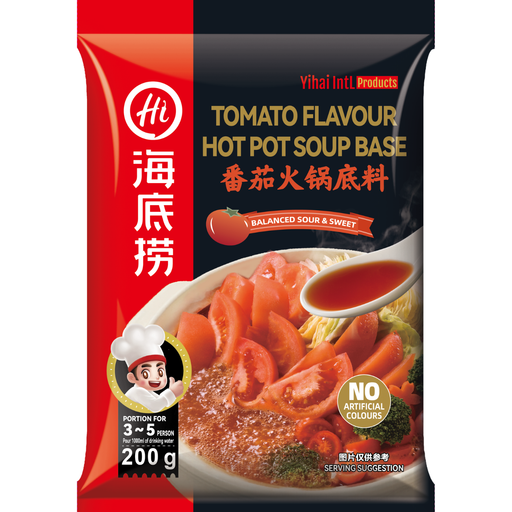
HAIDILAO Tomato Hot Pot Base 200g
Why this product is a good fit: This Haidilao soup base is ideal for anyone who wants to enjoy hot pot without intense heat. The fruity, tangy flavour is very approachable and is excellent for family meals or as a base for noodle soups.
The product delivers exactly what its name promises: a pure tomato hot pot. There is no hidden spiciness or misleading flavour descriptions.
High versatility: It works as a hot pot broth, but also as a base for stews or noodle dishes. The paste-like consistency creates a creamy texture.
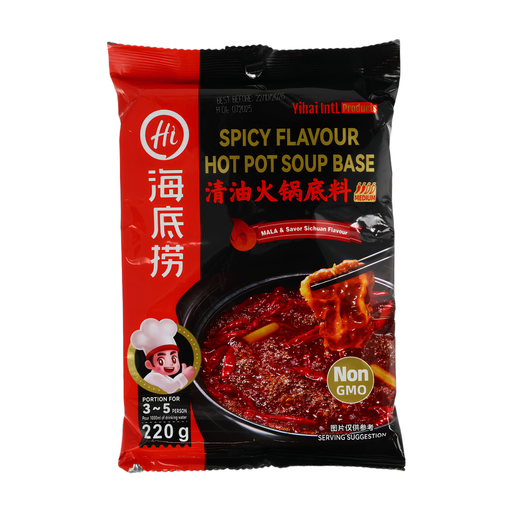
HAIDILAO Sichuan Clear Oil Mala Hot Pot Base 220g
Why this product is a good fit: Anyone looking to experience a genuine mala hot pot just like in a restaurant will find a perfect option here. The clear oil base is a classic Sichuan style that creates an intense, aromatic, and numbing-spicy broth.
The "Mala" designation is taken seriously here. The ingredient list explicitly shows Sichuan pepper (0.8%) and chilli (10%), delivering exactly the expected numbing spice.
Authentic flavour thanks to the oil-based composition, which optimally carries the spice aromas and infuses them into the ingredients.
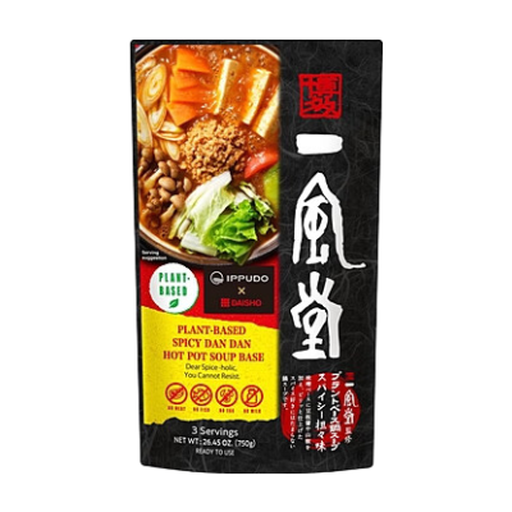
Daisho Plant-Based Spicy Dan Dan Hotpot Soup Base 750g
Why this product is a good fit: This Japanese version offers a flavourful broth based on miso and soybean paste, which is explicitly labelled as plant-based. It's a great choice for vegetarians and vegans who don't want to compromise on robust flavour.
The "plant-based (meat-free)" label provides clarity, avoiding the problem of hidden animal fats or broths found in many other spicy bases.
The miso and soybean paste base provides a deep umami flavour without any animal products. The large 750g package is also convenient for larger groups.
Looking for more options?
We have compiled a complete, up-to-date list of products that fully meet these strict selection criteria and regulations.
Frequently Asked Questions (FAQ)
1. How much hot pot soup base do I need per person?
The required amount depends heavily on the product's concentration. For paste or oil-based concentrates, you can generally expect to use about 50–100 grams of base per litre of water. A 200g package is therefore sufficient for a medium-sized pot with 2–4 litres of broth, which serves 2–4 people. For ready-to-use liquid bases or powders, you will find the exact mixing ratios on the packaging.
2. What is the difference between a mala hot pot and a regular spicy hot pot?
A regular spicy hot pot (La) gets its heat mainly from chillies. It is hot, but without the special mouthfeel. A mala hot pot also contains Sichuan pepper, which creates a characteristic, slightly numbing and tingling sensation on the tongue and lips. This "Ma" component is the hallmark of Sichuan cuisine.
3. Can I store an opened package of hot pot broth?
Yes, most oil and paste-based soup bases can be stored in the refrigerator after opening. It is recommended to store them in an airtight container and use them within a few days to a week, as the flavours can lose their intensity over time. Always pay attention to the manufacturer's storage instructions on the packaging. Powdered bases should be stored in a dry, well-sealed place.