
Hair Treatment for Damaged Hair: 2026 Recommendations
Structural hair damage is a physical condition caused by the degradation of the hair's outer cuticle and inner cortex. Common causes include thermal stress from styling tools, chemical treatments like colouring or bleaching, and mechanical strain from brushing. A targeted intensive hair care regimen addresses these structural deficits. The goal is to smooth the hair's surface and temporarily reinforce its internal structure, thereby increasing its resilience against hair breakage.
Selection Criteria for a Hair Treatment for Stressed Hair
Choosing a suitable hair treatment for damaged hair is based on an analysis of its ingredients and their mechanisms of action. Its effectiveness depends on the concentration and combination of specific active ingredient groups.
1. Fibre-Strengthening Proteins: Keratin and Amino Acids
Hair is composed of approximately 90% of the protein keratin. In damaged hair, the protein structure exhibits gaps. Hydrolysed proteins, particularly keratin, can adhere to the hair's surface and penetrate porous areas. This process temporarily fills in the damaged structure, leading to a smoother surface and increased tensile strength.
2. Bond-Building Technologies for Deep Repair
Modern formulations use technologies that work at a molecular level. So-called Bond Repair aims to restore broken disulfide bonds within the hair's cortex. Active ingredients like Bis-Aminopropyl Dimethicone or maleic acid can create new bonds, thereby improving the hair's internal stability. This is particularly relevant for hair that has been heavily chemically treated.
3. Hydrating and Sealing Agents
Dry hair is a common symptom of hair damage, as a roughened cuticle can no longer effectively retain moisture. Ingredients such as glycerin, panthenol (provitamin B5), and hyaluronic acid bind water within the hair. Lipids and oils, such as shea butter (Butyrospermum Parkii Butter) or apricot kernel oil (Prunus Armeniaca Kernel Oil), form a protective film on the hair's surface. This film seals in moisture and reduces further moisture loss.
Our Product Selection for 2026
The following products have been selected based on their technical specifications and the composition of their active ingredient complexes.
Syoss 4in1 Keratin Boost Hair Mask
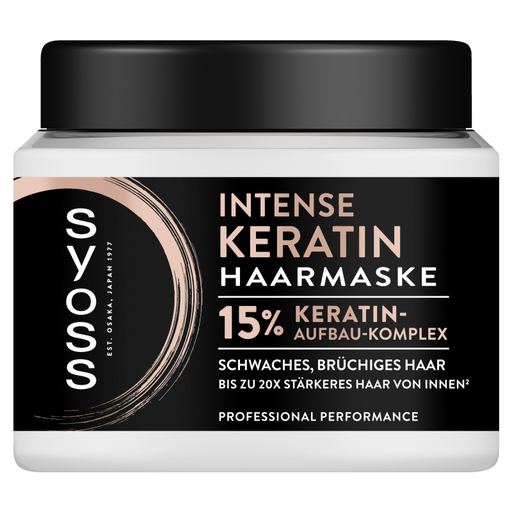
Formulation Analysis: This hair mask for dry hair combines moisturising ingredients with a complex that, according to the manufacturer, consists of a 15% keratin-building complex. The formula contains hydrolysed keratin, designed to replenish and strengthen the hair structure from within. Glycerin and shea butter support hydration and help smooth the hair's surface.
Benefits:
- High concentration of hydrolysed keratin to fill in porous areas of the hair.
- Contains glycerin and shea butter to improve moisture retention.
- Formulated to strengthen hair without weighing it down.
Who it's for: Individuals with weak, brittle hair prone to breakage who are looking for a protein-based solution for hair repair.
Pantene Pro-V Miracles Hair Mask Bond Repair
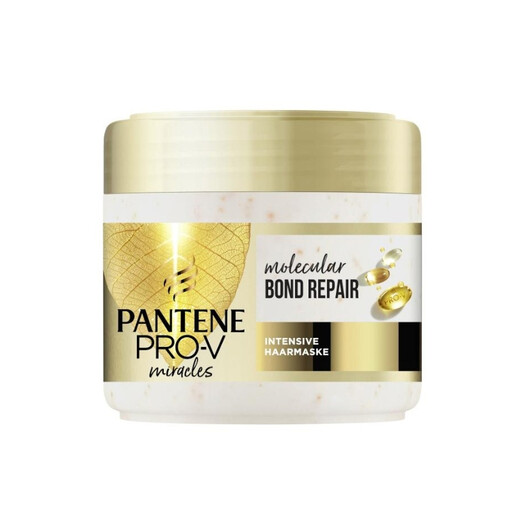
Formulation Analysis: This product focuses on Bond Repair technology. The key active ingredient, Bis-Aminopropyl Dimethicone, is known to operate at a molecular level, repairing damaged bonds within the hair. The formula is enhanced with the Pro-V complex, featuring panthenol and panthenyl ethyl ether to ensure hydration. Biotin provides additional support to the hair structure.
Benefits:
- Contains a specific active ingredient for repairing disulfide bonds (Bond Repair).
- Enriched with panthenol and biotin for nourishment and hydration.
- The Pro-V pearls dissolve upon application, releasing the active ingredients.
Who it's for: Individuals with severely damaged hair from chemical treatments (colouring, bleaching) or heat styling who seek deep, molecular-level repair.
Schwarzkopf Gliss Hair Mask Total Repair
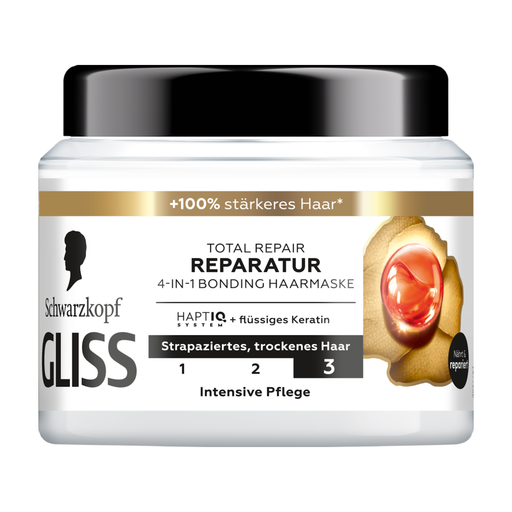
Formulation Analysis: This mask utilises a combination of the HAPTIQ System and hydrolysed keratin. The HAPTIQ System, featuring Hydroxypropylgluconamide and Hydroxypropylammonium Gluconate, aims to create new micro-bonds within the hair fibre and form a protective layer. The combination with keratin and nourishing lipids from shea butter and apricot kernel oil offers a comprehensive approach to caring for stressed hair.
Benefits:
- Combines keratin with a modern bond-building technology (HAPTIQ System).
- Versatile 4-in-1 application (Pre-shampoo, Conditioner, Mask, Leave-in).
- Formula with 97% ingredients of natural origin (according to the manufacturer, including water).
Who it's for: Users seeking a flexible and multifunctional hair treatment for breakage for stressed, dry hair, who value a combined active ingredient technology.
Additional Care Options
Caring for areas stressed by styling and environmental factors is not limited to hair. The skin on the hands, in particular, is also exposed to water and surfactants during hair washing. Specific formulations exist for the targeted regeneration of the skin barrier. An overview of products like a hand mask can highlight complementary care approaches.
Frequently Asked Questions (FAQ)
1. How often should you use a hair treatment for damaged hair? The frequency of application depends on the level of hair damage and the product's formulation. For an intensive repair phase, an application of once or twice a week is recommended. As the hair's condition improves, the frequency can be reduced to once every one to two weeks. Always follow the manufacturer's specific instructions for use.
2. What is the difference between a hair treatment and a hair mask? The terms are often used interchangeably in retail. Technically, a hair mask is typically richer in texture and concentration of nourishing lipids and oils, whereas a hair treatment often focuses on specific repair agents like proteins or bond-builders. Both provide intensive hair care that goes beyond the effects of a regular conditioner.
3. Can a hair treatment completely repair split ends? No, split ends (trichoptilosis) are a physical splitting of the hair tip that is not reversible. A hair treatment can temporarily seal and smooth the split ends, which improves their appearance and slows further splitting of the hair fibre. The only permanent solution for removing split ends is a haircut.