
Hair Clipper Buyer’s Guide: How to Find the Right Model
A well-groomed haircut is the foundation of a stylish appearance. More and more men are choosing to take hair cutting into their own hands—whether to save money or to have full control over their look at all times. However, the market for hair clippers is overwhelming, and many devices fail to deliver on their advertising promises. Before you make a decision, it's important to know the typical pitfalls that can lead to a bad purchase.
This guide will help you understand the technical features that truly matter and find a device that perfectly matches your needs.
The 3 Most Common Mistakes When Buying a Hair Clipper
Many models entice with bold promises, but their weaknesses quickly become apparent in practice. Pay close attention to these three points to avoid disappointment:
- Weak Batteries with Long Charging Times: A common annoyance is a device whose battery dies mid-haircut. Models with outdated battery technology often require many hours to charge but offer only a short runtime. A cordless hair clipper should be flexible and ready to use quickly; otherwise, it will just end up collecting dust.
- Dull Blades and Tugging Motors: Nothing is more unpleasant than a blade that pulls at hair instead of cutting it cleanly. Cheap blades made from low-quality steel quickly become dull, leading to uneven results and skin irritation. The motor power must also be sufficient for your hair density to prevent jamming.
- Inflexible Accessories and Imprecise Length Settings: A hair clipper set with only two or three attachment combs severely limits your styling options. Achieving precise transitions (fades) or clean contours is nearly impossible. An inaccurate or difficult-to-use length adjustment mechanism makes precise work impossible.
What Really Matters: The Key Features of a Hair Clipper
To avoid the problems mentioned above, you should focus on a few objective technical parameters when making your choice. These largely determine the device's performance, durability, and ease of use.
Blade Material and Sharpness
The quality of the cutting head is the heart of any good hair clipper. There are significant differences in materials:
- Stainless Steel Blades: The standard for many devices. They are robust and rust-proof. Models with self-sharpening blades maintain their cutting performance over a long period.
- Ceramic Blades: These blades generate less frictional heat, which is more comfortable on the skin during prolonged use. They stay sharp for a very long time but are more brittle than steel and can break if dropped.
- Titanium-Coated Blades: A titanium coating increases the hardness and durability of stainless steel blades, ensuring consistently high cutting precision.
For precise lines on the neck and beard, dedicated precision trimmers or contour trimmers with a narrow T-blade head are a sensible addition or specialization.
Battery Technology and Charging Convenience
A modern cordless hair clipper should be equipped with a lithium-ion battery. This technology offers high energy density, no memory effect, and low self-discharge. Look for the following metrics:
- Runtime: 90 minutes or more is a good benchmark for several complete haircuts without recharging.
- Charging Time: A short charging time of 1 to 3 hours ensures high flexibility. Models with a USB-C charging port are particularly practical, as they can also be charged with a power bank or laptop.
- Corded and Cordless Use: Devices that can be used while charging offer maximum reliability.
Motor Power and Accessories
The motor's power determines whether the machine glides effortlessly through thick and coarse hair. A high RPM (revolutions per minute) is often an indicator of a powerful motor, like those found in a professional hair clipper. Some models also offer different speed settings for different hair sections.
A good hair clipper set is characterized by a wide selection of attachment combs or an integrated adjustment mechanism with many length settings. This allows for fine gradations and creative hairstyles.
Our Picks: The Right Clippers for Different Users
Based on the criteria above, we have compiled a selection of models for different user profiles.
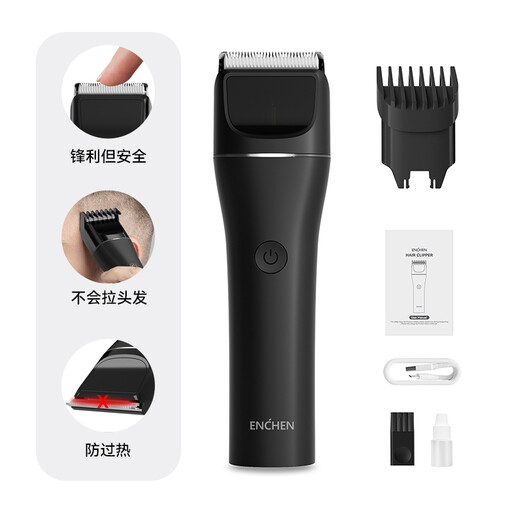
ENCHEN Black Boost 2 Professional Cordless Electric Hair Clipper
Why This Fits Their Persona: Ideal for users seeking a straightforward and affordable solution for simple haircuts. The integrated sliding comb eliminates the need to switch attachments and greatly simplifies handling.
Solves the problem of inflexible accessories with an adjustable comb (0.7-21 mm). The ceramic blade prevents premature dulling, and the modern USB-C port avoids long, impractical charging times.
Two speed settings for different hair types; very lightweight and ergonomic design; fast charging in approx. 1.5-2 hours.
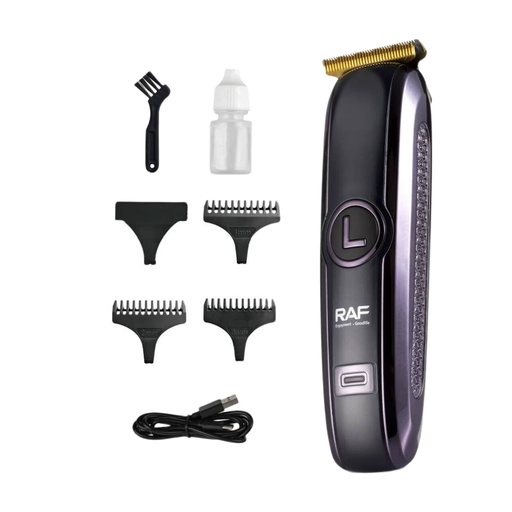
RAF Professional Hair Clipper 5W Power Cordless Trimmer T-Blade Edger
Why This Fits Their Persona: Perfect for style-conscious men who want to create clean edges, beard lines, and professional-looking fades themselves. The T-blade head is specifically designed for detail work.
Bypasses the trap of imprecise blades with a specialized T-blade head for fine lines. The 5W high-performance motor prevents the pulling and snagging that occurs with standard devices during detail work.
Compact, easy-to-grip design for maximum control; fast two-hour charging time via USB-C; allows for very close cuts for sharp contours.
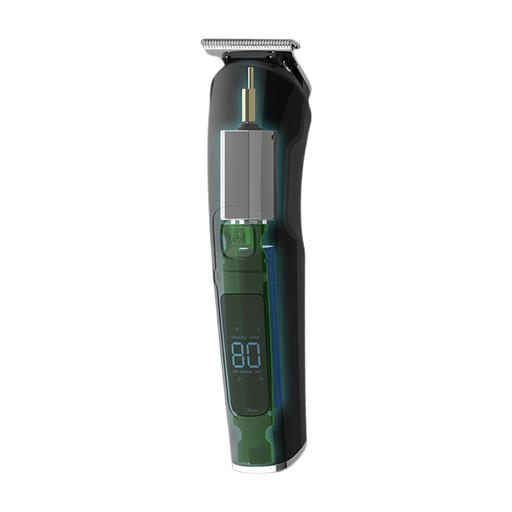
Sparoma Men's Electric Hair Clipper FK-8688
Why This Fits Their Persona: For users who want a single device for all their grooming needs. This set covers head hair, beard, nose and ear hair, and body hair, making it a true all-in-one solution.
Instead of a single, ill-fitting attachment, this set offers specialized cutting heads for each application. The IPX6 water resistance simplifies cleaning, and the LED display provides precise battery status, avoiding the battery pitfall.
Extensive accessories (6 different heads); 90-minute runtime with only a 1.5-hour charge time; smart display with travel lock and cleaning reminder.
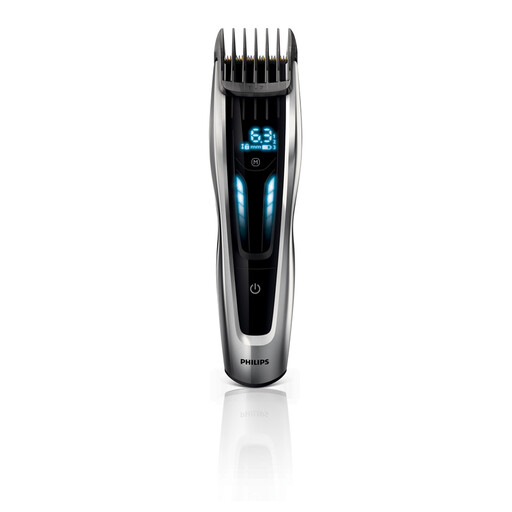
Philips Series 9000 Hair Clipper HC9450/20
Why This Fits Their Persona: For users who demand maximum precision, comfort, and technological finesse. The digital controls and motorized combs offer unparalleled control over the cutting result.
Eliminates imprecise length settings with digital touch controls and motorized attachments. The self-sharpening titanium blades prevent performance loss, and the long battery life (120 min) with a short charge time (1 hr) solves any battery issues.
Over 400 length settings (0.5-42 mm); memory function saves preferred lengths; Auto-Turbo mode for thick hair; can be used corded or cordless.
Looking for More Options?
We have compiled a complete, up-to-date list of products that fully meet these strict selection criteria and safety regulations.
How often do I need to oil the blades of a hair clipper?
Maintenance instructions vary by manufacturer and blade material. Many modern devices with self-sharpening blades made of stainless steel, titanium, or ceramic are declared as low-maintenance or maintenance-free and do not require oil. For models that do need oiling, it is recommended to apply a drop of the supplied oil to the blades after each cleaning to minimize friction and wear. Always refer to the instructions in the user manual.
Can I use a hair clipper on wet hair?
Most hair clippers are designed exclusively for use on dry hair. Cutting wet hair can damage the blades and lead to an uneven result. Furthermore, there is a safety risk with corded or non-waterproof devices. Only models explicitly marked as "100% waterproof" or suitable for wet and dry use should be used on wet hair or in the shower.
What is the difference between a hair clipper and a beard trimmer?
Although both devices function similarly, they are optimized for different purposes. A hair clipper typically has a wider cutting head and a more powerful motor to efficiently cut larger areas and thicker head hair. A beard trimmer or precision trimmer is smaller, has a narrower cutting head, and allows for finer length adjustments for precise styling of beard contours, sideburns, and details. Many modern hair and beard trimmers combine both functions in one device or a set with interchangeable heads.