
How to Buy Seaweed: A Quality Buyer's Guide
Anyone who dives into the world of Asian cuisine or wants to enhance their diet with nutrient-rich ingredients will inevitably encounter edible seaweed. But when it comes to actually buying seaweed, many face a bewildering array of options. False assumptions and unclear product descriptions often lead to disappointment in the kitchen. Before you make a decision, it's important to know the most common pitfalls to avoid a poor purchase.
The 2 most common mistakes when buying seaweed:
- The "one-size-fits-all" assumption: Many people assume that all seaweed is the same. They buy a package of dried seaweed expecting to use it for both sushi and soup. The result is often tough sushi or a flavorless broth. The type of seaweed determines its use, and a mix-up can ruin an entire dish.
- Overlooking the ingredients list on snacks: A seaweed snack marketed as healthy can, upon closer inspection, turn out to be high in salt, oil, or sugar. Many processed snacks contain flavor enhancers and other additives that contradict the original intention of a healthy food.
What Really Matters When Buying: The Core Parameters
To find the right seaweed for your needs, you should check two fundamental parameters. These will help you choose the product that perfectly matches your recipe and requirements.
1. Seaweed Type and Culinary Use
The type of seaweed is the deciding factor. Each variety has a unique texture, flavor, and a specific function in the kitchen.
- Nori: These are the most well-known seaweeds, pressed into thin, dark sheets. Nori sheets are the foundation for sushi rolls (maki) and onigiri (rice balls). When roasted and crumbled, they also serve as a savory topping for rice and noodle dishes. Their texture is delicate and softens on contact with moisture.
- Wakame: This type of seaweed is usually sold dried and in small pieces. After soaking in water, wakame seaweed expands significantly and develops a silky, tender texture. It is the classic addition to miso soup and a popular ingredient in Japanese and Korean salads. If you're looking for seaweed for soup, wakame is often the right choice.
- Kombu (or Kelp):Kombu seaweed consists of thick, leathery sheets that possess an intense umami flavor. It is the main ingredient for making dashi, the fundamental broth of Japanese cuisine. Kombu is typically used only to infuse flavor and is removed before serving. It can also be cooked in stews, but it requires a long cooking time to become tender.
- Other Varieties: There are many other edible seaweeds like hijiki (fine, black strands) or dulse (reddish leaves), each occupying its own culinary niche.
2. Processing Form and Preparation Instructions
The way the seaweed is processed determines how you must use it. Always check the packaging for preparation instructions.
- Dried (Sheets, Flakes, Strips): Most seaweed for cooking is sold dried. Wakame and kombu must be soaked in water (rehydrated) before use. Soaking times vary greatly. Nori sheets for sushi are typically already roasted and ready to use.
- Salted: Some kelp products are preserved in salt. These must be thoroughly washed and possibly soaked before cooking to reduce the excess salt content.
- Ready-to-eat Snacks: Roasted and seasoned nori strips or seaweed fried in tempura batter are designed as a seaweed snack and can be eaten directly from the package. For these, a close look at the nutrition facts and ingredients list is highly recommended.
Top Picks for Different Uses
Here are some product recommendations tailored to specific needs and user profiles.
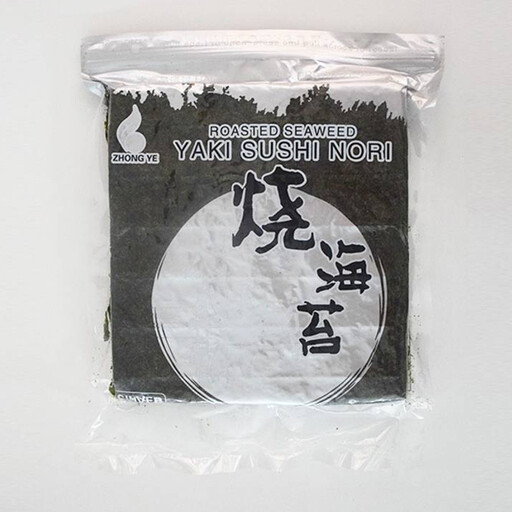
zhongye Sushi seaweed 28G (10 silver grade)
Why This Fits Their Persona: Ideal for anyone making sushi at home for the first time. The 10-sheet pack is a manageable quantity for beginners, so you don't have to store leftovers for a long time. The sheets are specifically designated as seaweed for sushi and come in a standard size.
The clear "Sushi Seaweed" label prevents you from buying the wrong type of seaweed. The ingredients list consists solely of "Dried Laver," ensuring there are no hidden additives.
Ready-to-use nori sheets in a quantity perfect for beginners. The "Silver Grade" quality offers a reliable texture and tear-resistance for rolling maki.
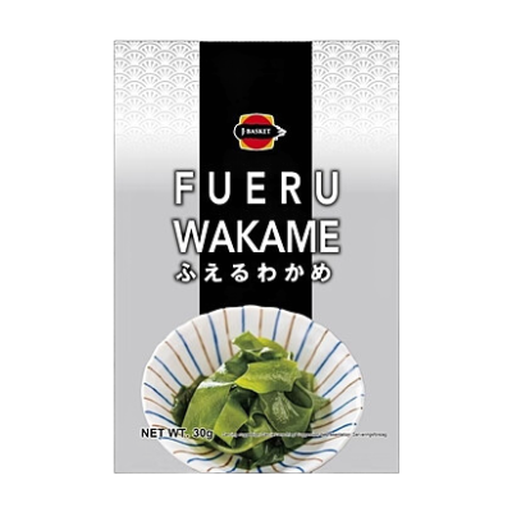
J-BASKET Fueru Wakame 30g
Why This Fits Their Persona: Perfect for lovers of miso soup and Asian salads. This wakame seaweed is the classic ingredient for these dishes, delivering an authentic, silky texture after soaking. The 30g package goes a long way, as the seaweed expands significantly.
The clear "Wakame" label ensures you're choosing the right variety for soups and salads. The ingredients list contains only "Seaweed," indicating a pure, natural product with no added salt or flavorings.
An authentic Japanese ingredient with a delicate texture. Very economical, as the seaweed gains volume after rehydration. Versatile enough for both hot and cold dishes.
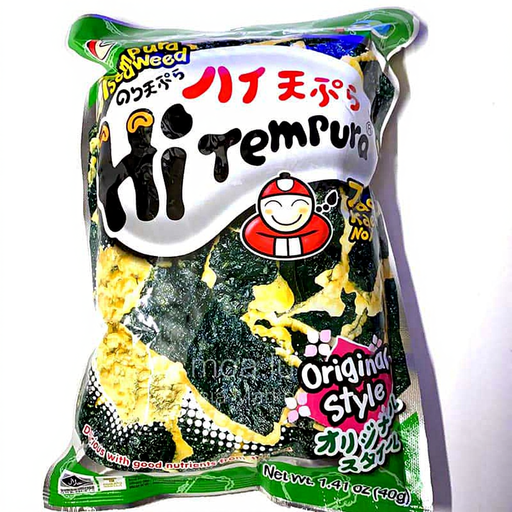
Taokaenoi XLB Tempura Seaweed, Original Flavour, 40g
Why This Fits Their Persona: For anyone looking for a crispy and savory seaweed snack. This Thai snack combines seaweed with a light tempura batter, offering an alternative to potato chips. It's ready to eat and perfect for on the go.
This product is clearly marketed as a snack, not as a pure cooking or health food. Anyone who checks the ingredients list, as recommended in this guide, can make an informed decision to enjoy it as a treat rather than a pure, natural food.
A unique, crispy texture from the tempura batter. It has a powerful umami flavor and is ready to eat instantly with no preparation required.
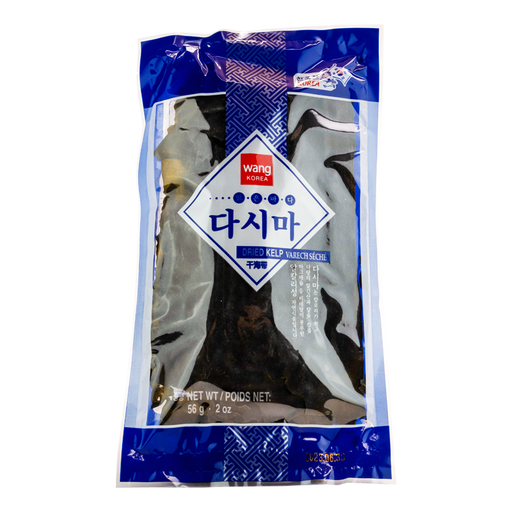
Wang Seaweed Dashima, Dried 56g
Why This Fits Their Persona: For cooks who want to make an authentic dashi broth as a base for soups, sauces, and stews. Dashima is the Korean name for kombu seaweed and is the key ingredient for creating a deep umami flavor in Korean and Japanese cuisine.
The "Dashima" label immediately signals to those in the know that it's for making broth, preventing it from being mistakenly used like nori. The preparation instructions (rinse, soak, simmer) are clear and prevent usage errors.
Consists of 100% dried kelp and delivers a natural, complex depth of flavor (umami) for homemade broths. An indispensable ingredient for authentic dishes.
Looking for more options?
We have compiled a complete, up-to-date list of products that fully meet these strict selection criteria.
Frequently Asked Questions
How do I store dried seaweed correctly?
Dried seaweed is very sensitive to moisture. Always store it in an airtight container in a cool, dry, and dark place, such as a pantry. After opening the original package, you should seal it tightly or transfer the contents to another container. When stored correctly, it can last for many months.
Is all edible seaweed naturally salty?
Yes, edible seaweed naturally contains sodium because it grows in seawater. However, the salt content varies depending on the variety and harvesting area. For processed products like a seaweed snack or salted kelp, additional salt is often added. A look at the nutrition facts can help you assess the total salt content. For pure, dried seaweeds like wakame or kombu, the salty taste is usually subtle after soaking and rinsing.