If you want to cut out your own biscuits, choose a flour blend that is explicitly labelled gluten-free and a recipe designed for it. Ready-made gluten-free cookies or butter biscuits, on the other hand, are ready to eat and are not a substitute for dough you can roll out. If you have coeliac disease, it’s also important to check the labelling on the specific ingredients and biscuits you use, and make sure your equipment is clean so no gluten-containing crumbs or flour get into the mix.
Which option is right for you?
Baking for someone with coeliac disease
If the biscuits are for someone with coeliac disease, the ingredients you use must be explicitly labelled gluten-free. When baking, make sure your work surface and equipment are also free from gluten-containing flour and crumbs.
Cutting out your own biscuits
For butter biscuits, stars and other shapes, you’ll need dough that can be rolled out and cut according to the recipe. EDEKA recommends using gluten-free flours and blends in the quantities specified, as changing them can make your biscuits dry and crumbly.
Ready-made biscuits instead of making your own dough
If you want to serve cookies or butter biscuits without baking, ready-made products explicitly labelled gluten-free are the obvious choice. For biscuits you can shape yourself, you’ll need ingredients for a suitable dough.
What to look for when buying
First decide whether you want to shape biscuits yourself or use ready-made ones. If you’re buying for someone with coeliac disease, every option must be explicitly labelled gluten-free.
Gluten-free flour blend
A good choice if: You want to roll out and cut biscuits according to a recipe.
Keep in mind: REWE and EDEKA explain that gluten-free dough is more prone to crumbling, so use the blend in the quantities specified in your chosen recipe.
Recipe using alternative flours
A good choice if: You want to try a particular biscuit recipe with ingredients selected for it.
Keep in mind: The amount of liquid needed depends on the recipe and the flours used. If the recipe contains nuts or eggs, check whether these ingredients are suitable for everyone who’ll be eating them.
Ready-made gluten-free biscuits
A good choice if: You want to serve cookies or butter biscuits without making your own dough.
Keep in mind: Ready-made biscuits can’t be rolled out and cut like biscuit dough. Other ingredients and allergen information vary from product to product.
| Criterion |
What to check when buying |
Who it matters most to |
| Gluten-free labelling |
Check the labelling on every ingredient and ready-made biscuit, and make sure your equipment is clean. Under EU Regulation No. 828/2014, products sold to consumers may only be labelled “gluten-free” if they contain no more than 20 mg/kg of gluten. |
If I’m baking for someone with coeliac disease, the whole preparation needs to be free from gluten-containing ingredients and crumbs. For around 42 % of consumers, being able to make a reliable choice could be their main priority when buying. |
| Dough that’s easy to work with |
Choose a blend explicitly labelled gluten-free for the recipe you’re making, and follow its quantities and method. |
I want to cut out stars or butter biscuits without the dough crumbling as I roll it out. A recipe that’s suited to the shape they want could be the main consideration for around 33 % of consumers. |
| Ready-made biscuits and other ingredients |
Tell ready-made biscuits apart from baking ingredients. If you have additional requirements, check the ingredients list and allergen information on the specific pack. |
I’m looking for biscuits to serve with coffee without making my own dough, but may also need to consider other ingredients. Around 25 % of consumers could see this as their main priority when buying. |
Common buying mistakes
-
Assuming “wheat-free” means “gluten-free”
An alternative flour may come into contact with gluten-containing cereals during processing. So, when baking biscuits for someone with coeliac disease, it’s not enough to simply rule out wheat in the ingredients list.
Check that the specific pack of flour, blend or ready-made biscuits is explicitly labelled “gluten-free”.
-
Replacing the wheat flour in your favourite recipe without adapting it
Dough behaves differently without gluten. EDEKA points out that biscuits can turn out dry and crumbly if alternative flours or blends aren’t used as directed in the recipe.
Use a gluten-free biscuit recipe and follow the ingredients, quantities and method it specifies.
-
Buying ready-made biscuits for a cut-out recipe
A ready-to-eat butter biscuit or cookie isn’t dough you can roll out. It serves a different purpose from a gluten-free flour blend for making your own shaped biscuits.
For cut-out biscuits, choose ingredients for a suitable recipe. Buy ready-made biscuits if you want biscuits without making your own dough.
Brands and retailers to consider
These examples cover different biscuit and baking options. Whether a specific product suits your biscuits and any other dietary requirements depends on the information currently shown on its packaging.
Schär
Schär’s German online shop lists a range of biscuits explicitly labelled gluten-free, including speculoos, butter biscuits and chocolate chip cookies.
- The biscuit types listed make it easier to find a ready-made product for the way you want to use it.
- Ready-made biscuits aren’t a substitute for a flour blend when you want to cut out your own shapes.
Hammermühle
Hammermühle describes its organic butter biscuits as gluten-free and also shares a recipe for gluten-free chocolate chip cookies.
- The ready-made biscuits and recipe offer two different options for serving with coffee or baking at home.
- Hammermühle’s organic butter biscuits may contain traces of egg and tree nuts. If you have additional requirements, check the specific pack.
Bahlsen / LEIBNIZ
LEIBNIZ says its Gluten and Lactose Free Minis are baked with corn starch and corn flour. REWE stocks a 100-g pack of the gluten-free Minis.
- The specific Minis product is an option if you’re looking for a ready-made butter biscuit.
- The information for this product doesn’t automatically apply to other Bahlsen or LEIBNIZ biscuits.
REWE / REWE frei von
REWE shares a recipe for gluten-free butter biscuits made with a flour blend from REWE frei von that is explicitly labelled gluten-free.
- The recipe shows how to use the blend to make biscuits that can be rolled out and cut into shapes.
- Before baking, check the labelling on your chosen blend and all the other ingredients in the recipe.
EDEKA
EDEKA offers recipe tips for gluten-free biscuits and explains why alternative flours should be used as directed in a recipe.
- Its advice can help you choose between a purpose-made blend and a recipe using individual flours.
- A flour alternative isn’t automatically suitable for biscuits for someone with coeliac disease just because of the type of grain it’s made from. Look for gluten-free labelling.
Gullón
On its UK product page, Gullón describes a gluten-free cookie that the brand says is also free from lactose, milk protein, nuts and eggs.
- If you have additional requirements, these combined claims may make it worth looking for the specific product.
- The UK product information doesn’t replace checking the labelling on a pack sold in Germany.
Ready-made biscuits at Joybuy
This selection includes ready-to-eat cookies, butter biscuits and sponge fingers from Schär. If you want to roll out and cut biscuits, you’ll need ingredients for a suitable dough instead. If you have coeliac disease, check the gluten-free labelling and any other information on the specific pack before buying.
 No image available
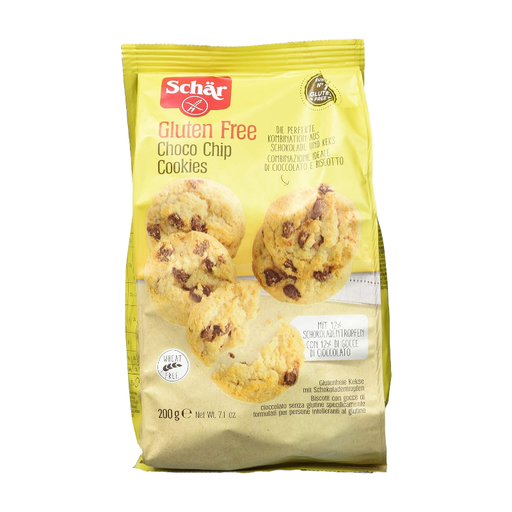
Schär Chocolate Chip Cookies, gluten-free, 200 g
A ready-made cookie for when you’d prefer not to make and cut out your own biscuits. The product name mentions chocolate chips and 200 g. If you have coeliac disease, check the gluten-free labelling, ingredients and allergen information on the pack.
View at Joybuy
 No image available
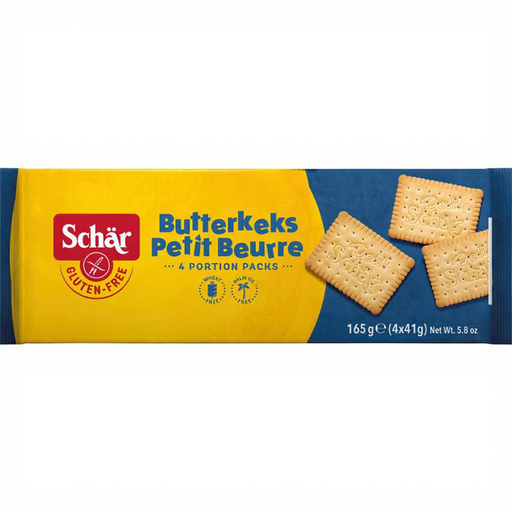
Schär Petit Beurre butter biscuits, gluten-free, 165 g
For serving with coffee when you want ready-made butter biscuits rather than biscuit dough. The product name specifies the Petit Beurre variety and 165 g. If you have coeliac disease, check the gluten-free labelling; for any other requirements, check the ingredients and allergen information on the pack.
View at Joybuy
 No image available
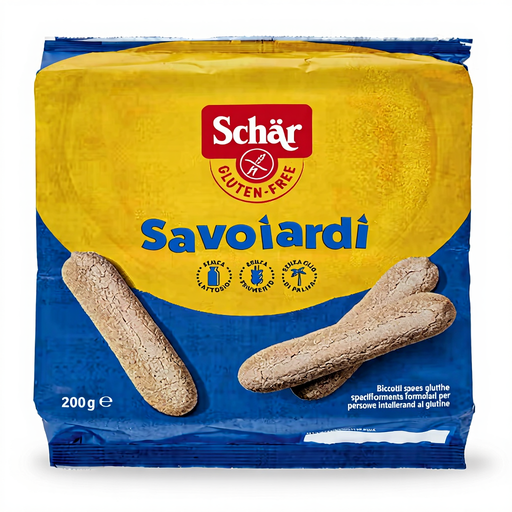
Schär Ladyfingers sponge fingers, gluten-free, 200 g
For recipes that call for ready-made sponge fingers, rather than biscuits you can cut out. The product name specifies Ladyfingers and 200 g. If you have coeliac disease, check the gluten-free labelling, ingredients and allergen information on the specific pack.
View at Joybuy
Frequently asked questions
Is “wheat-free” enough for biscuits for someone with coeliac disease?
No. “Wheat-free” is not a substitute for “gluten-free” labelling. Under EU Regulation No. 828/2014, products sold to consumers may only be labelled “gluten-free” if they contain no more than 20 mg/kg of gluten. EDEKA also points out that alternative flours without appropriate labelling may become contaminated during processing.
Why can gluten-free biscuit dough turn crumbly?
Without gluten to bind it, biscuit dough can behave differently and the biscuits may turn out drier or more crumbly. That’s why REWE and EDEKA recommend using a suitable gluten-free recipe and not swapping the specified flours or blends at will.
Can I use ordinary oat products to make gluten-free cookies?
If you’re making cookies for someone with coeliac disease, don’t rely on the word “oats” alone. Check that the specific oat product is explicitly labelled “gluten-free” and only use it if it also meets the other requirements of the person who’ll be eating it.
Are ready-made gluten-free biscuits also lactose-free or nut-free?
Not automatically. Being gluten-free doesn’t tell you whether a product has these other qualities. LEIBNIZ explicitly describes its Gluten and Lactose Free Minis as lactose-free, while Hammermühle says its gluten-free organic butter biscuits may contain traces of tree nuts. Always check the information for the specific product.
