
Glass Food Storage Containers: Recommended Picks for Your Kitchen
Are you looking for a durable and hygienic food storage solution? Many are familiar with the problems of plastic containers: they discolour over time, absorb odours, or aren't suitable for every use. A glass food storage container offers a practical alternative. It's non-porous, easy to clean, and incredibly versatile.
This article serves as your guide. We'll introduce various types of glass containers and explain which features are most important for your needs—whether for pantry organisation, meal prep, or as a glass lunch box. Our goal is to provide you with the information you need to make a well-informed purchase.
What to Look for When Buying Glass Containers
The selection of glass containers is vast. To find the right option for your kitchen, a few key features are crucial.
1. Material: The Importance of Borosilicate Glass
Not all glass is created equal. Many high-quality food storage containers are made from borosilicate glass. Unlike standard soda-lime glass, it is distinguished by its high resistance to temperature and chemicals. In practical terms, this means:
- Thermal shock resistance: A borosilicate glass container can typically go from the refrigerator directly into the microwave or oven (without the lid) without shattering. This property makes it exceptionally oven-safe.
- Durability: It is more resistant to scratches and breakage than conventional glass, which increases its longevity.
- Safety: It contains no harmful chemicals and does not leach substances into your food, even when heated.
2. Lid and Seal: The Key to Freshness
A good glass container with a lid is only as effective as its sealing mechanism. This determines whether your food truly stays fresh and if the container is suitable for transport. Look for these features:
- Airtight seal: A silicone gasket in the lid is often standard to protect the contents from air and moisture. This is crucial for preserving flavours and extending the shelf life of food.
- Leak-proof design: For transporting soups, sauces, or salads, a leak-proof seal is essential. Systems with four-sided locking clips often provide a high level of security.
- Lid material: Lids are available in plastic (often BPA-free), wood, or glass. Plastic lids are lightweight and durable, while wooden lids offer an attractive aesthetic for dry food storage.
3. Handling and Care
Practicality in daily use is another key factor. Check if the food container fits your lifestyle:
- Dishwasher-safe: Most glass containers are dishwasher-safe, which makes cleaning significantly easier. For lids, especially those made of wood or with delicate seals, hand washing is often recommended to extend their lifespan.
- Stackability: When space in the fridge or cupboard is limited, it's a great advantage if the containers can be stacked securely. Some models have specially designed lids or bases for this purpose.
Our Top Glass Storage Picks
Based on functionality, material, and use cases, we have compiled some interesting products for you.
1. Hermet Glass and Acacia Wood Storage Jar, 0.6 L
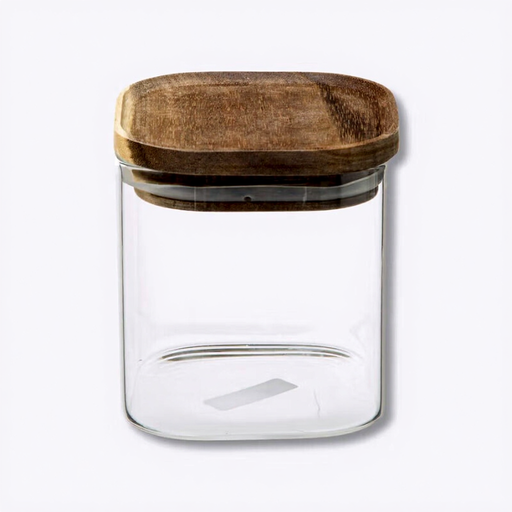
What makes this product stand out: This glass storage jar combines functionality with an appealing design. The acacia wood lid with a silicone seal makes it a stylish addition to any kitchen and is perfect for open storage on shelves or countertops.
Pros:
- Materials: Glass body, acacia wood lid.
- Seal: A silicone gasket ensures a tight seal, ideal for dry goods.
- Design: The combination of glass and wood has a natural, high-end look.
Who is it for? This model is an excellent choice for anyone who wants to store dry foods like pasta, rice, cereal, or nuts in a stylish and accessible way. Due to the wooden lid, it is not intended for the dishwasher or for transporting liquids.
2. PURECOOK Glass Storage Jars with Silicone Buckle, Set of 2
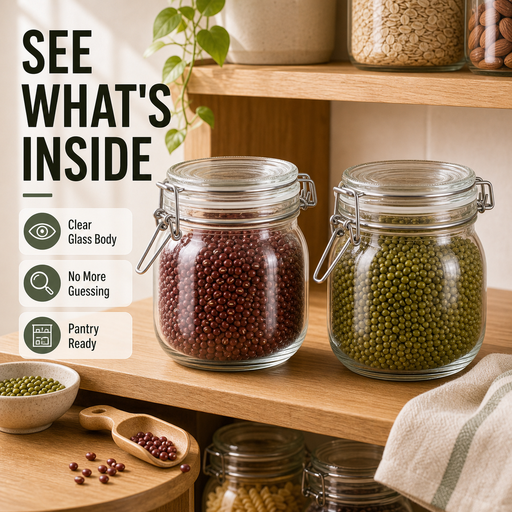
What makes this product stand out: This set relies on a classic and proven sealing mechanism. The containers are made of heat-resistant borosilicate glass and are sealed tightly with stainless steel side clamps and a silicone gasket. The transparent design allows for a quick glance at the contents at any time.
Pros:
- Material: The container is made of borosilicate glass, and the sealing ring is food-grade silicone.
- Seal: The clamp lid with stainless steel clips ensures a very secure and airtight fit.
- Care: The glass body is dishwasher-safe, and the sealing ring can be removed for easy cleaning.
Who is it for? Ideal for storing dry goods like grains, spices, or nuts where extra protection from moisture and oxidation is important. It is also well-suited for storage in the refrigerator.
3. Lock&Lock TOP Class Glass Container, Rectangular 1.0 L
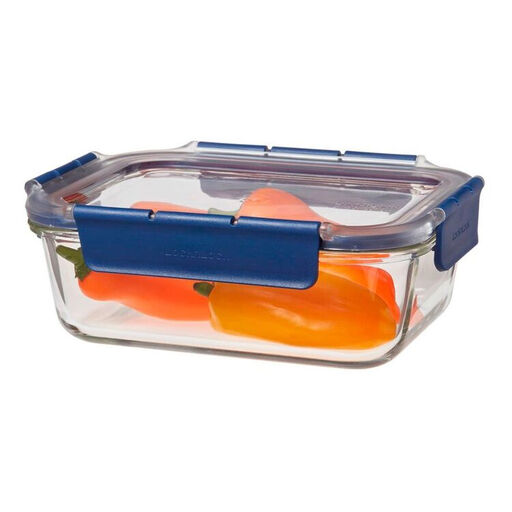
What makes this product stand out: This glass container with a lid is an all-rounder for the modern kitchen. The container, made of high-strength borosilicate glass, is oven-safe up to 400°C (752°F), according to the manufacturer. The patented 4-sided locking system makes the container airtight and leak-proof, turning it into a reliable glass lunch box for on-the-go meals.
Pros:
- Versatility: Suitable for the oven (without lid), microwave, freezer, and refrigerator.
- Material: High-quality borosilicate glass and a lid made of durable, BPA-free Tritan plastic.
- Functionality: The raised edge of the lid allows for stable stacking of multiple containers, saving space.
- Care: All parts are dishwasher-safe.
Who is it for? Perfect for users looking for a single solution for cooking, storing, freezing, reheating, and transporting meals. Ideal for meal prep, storing leftovers, or as a sturdy companion for lunch at the office.
Looking for More Options?
The products featured here cover a wide range of uses. However, if you are specifically looking for containers to organise your refrigerator or want to explore other shapes and sizes, it's worth taking a look at our broader selection.
? Explore our selection of Glass Fruit Containers for the Refrigerator here.
Frequently Asked Questions (FAQ)
1. Is borosilicate glass more durable than regular glass? Yes, borosilicate glass has higher thermal resistance. This means it tolerates rapid temperature changes better, which qualifies it for use in the oven or microwave. It is also more resistant to scratches, but it remains a glass product that can break from strong impacts or falls.
2. Can I use glass containers with lids in the microwave? The glass container itself is generally microwave-safe, especially if it's made of borosilicate glass. However, the lid should be removed before heating. Many plastic lids can warp, and lids with metal parts (like clamp closures) must never be put in the microwave. Always follow the manufacturer's instructions.
3. What is the best way to clean a glass food storage container? Most glass bodies are dishwasher-safe. For the longevity of the seals and lids, separate hand washing with mild dish soap is often recommended. If possible, remove silicone gaskets from the lid regularly and clean them thoroughly to prevent mould growth. Let all parts dry completely before reassembling and closing the container.