
Glass Food Storage Containers: Buyer's Guide to Avoid Common Pitfalls
Glass food storage containers are a popular choice for an organised and health-conscious kitchen. They are hygienic, don't absorb odours, and offer a clear view of their contents. However, not all glass containers are created equal. Certain weaknesses in material and design can mean your satisfaction with a purchase is short-lived. This guide will help you identify the crucial features and make an informed decision.
The 3 Most Common Problems When Choosing Glass Containers
When purchasing glass food containers, many users encounter recurring issues that often only become apparent with everyday use. Understanding these weak points is the first step toward making a better buying decision.
- The Airtight Myth: Many products are advertised as "airtight," but the reality is often different. An inadequate seal or a lid that warps with temperature changes allows air and moisture to get in. The result: food loses its freshness faster, and leak-proof containers for on-the-go use fail to deliver on their promise.
- Thermal Shock – The Invisible Risk: A common mistake is assuming that any glass container is suitable for switching between hot and cold. Standard soda-lime glass can crack or shatter during abrupt temperature changes—such as moving it from the refrigerator directly into a hot oven. This not only poses a safety risk but also results in the loss of the container and the food inside.
- Lids as the Weak Point: The lid is often the first component to fail. Wooden lids can warp or grow mould if not cared for properly. Plastic lids are not always dishwasher or microwave safe and can become stained or absorb odours. An impractical or short-lived lid renders even the highest-quality glass container useless.
What Really Matters: The Key Selection Criteria
To avoid the problems mentioned above, you should check three key technical parameters before buying. These determine the durability, safety, and versatility of your glass food storage containers.
Criterion 1: The Type of Glass – Borosilicate as the Standard for Versatility
For glass food storage, there are two main types of glass: conventional soda-lime glass and borosilicate glass.
- Soda-lime glass: This is the common glass used for drinking glasses or simple storage jars. It is budget-friendly but less resistant to temperature changes.
- Borosilicate glass: This material is distinguished by its high thermal resistance. A borosilicate glass container can typically be moved safely from the freezer to the microwave or a preheated oven (without the lid). This makes it the ideal choice for glass meal prep containers and as a glass casserole dish with a lid. The investment in borosilicate glass pays off through greater safety and a wider range of applications.
Criterion 2: Lid Material and Locking Mechanism
The lid is crucial for functionality. Pay attention to the material and the type of seal to ensure you get airtight storage containers.
- Lid Materials:
- Plastic (e.g., Polypropylene, Tritan): Often combined with silicone gaskets for a tight seal. Look for a "BPA-free" label and check the manufacturer's specifications for dishwasher and microwave suitability.
- Wood/Bamboo:Storage jars with wooden lids offer an appealing aesthetic but are more maintenance-intensive. They should only be cleaned by hand and not be used for liquid or very moist foods to prevent warping.
- Locking Systems:
- Locking clips: Systems with four-sided locking clips often provide a very secure and leak-proof seal. They are typical of high-quality glass food containers.
- Clamp or swing-top lids: Classic for canning jars, these provide a good seal with a rubber gasket for dry goods like flour, sugar, or for use as a glass cookie jar.
- Press-on lids with a silicone seal: Simple to use and good for dry goods, but usually not completely leak-proof.
Criterion 3: Shape and Stackability
For efficient organisation in cupboards and the refrigerator, shape is crucial. Rectangular or square glass container sets make better use of available space than round ones. Check whether the containers (and especially their lids) are designed to be stacked securely and stably. A slightly raised lid edge can significantly improve stability.
Picks for Every Use Case
Based on the criteria above, we have identified several products that are well-suited for specific user profiles and their needs.
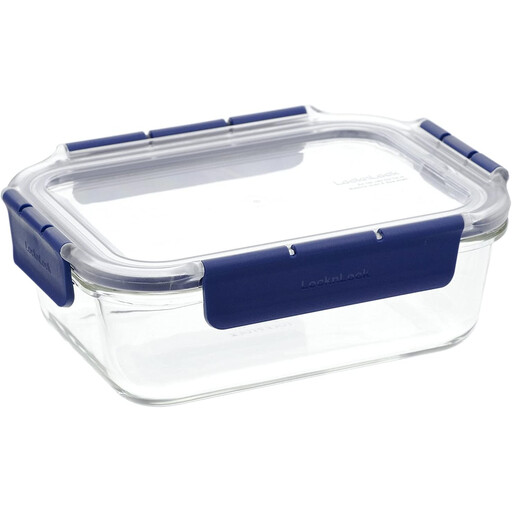
LocknLock Glass Food Container LBG428(630ml)*3pcs (Set)
Why it's a match: Ideal for those who prepare meals for the week. The containers need to go from the fridge to the microwave and be dishwasher-safe. A leak-proof design for transport to work is a must.
The heat-resistant glass withstands thermal shock, and the 4-sided locking clip system with a silicone gasket ensures a reliable seal, debunking the "airtight myth."
Made from heat-resistant glass (oven-safe up to 400°C according to the manufacturer, without the lid). The lid is BPA-free, and the entire container is suitable for the freezer and dishwasher.
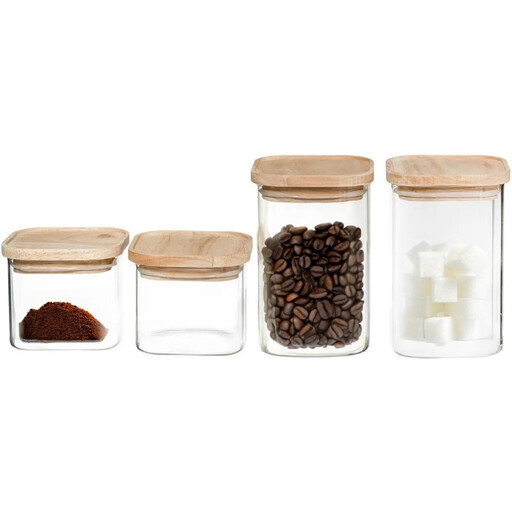
5five Set of 4 Borosilicate Glass Storage Jars with Wooden Lids - 1 L
Why it's a match: For users who want to not only store dry foods like pasta, rice, or cereal but also display them attractively on open shelves or the countertop. Here, appearance is just as important as function.
This set avoids the short-lived lid pitfall by using Hevea wood. The care instructions (hand-wash for lids) are clearly communicated, ensuring longevity with proper handling.
The combination of durable borosilicate glass and aesthetic wooden lids strikes a balance between function and design. The glass jars are dishwasher-safe (without lids), which simplifies cleaning.
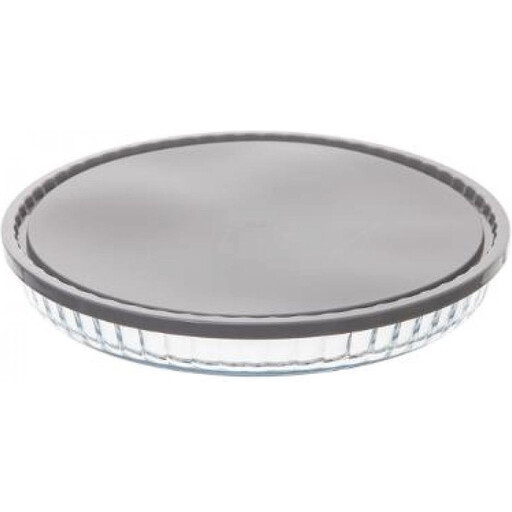
5five Keepeat Glass Casserole Dish with Lid - 27.5 cm
Why it's a match: Perfect for households looking for an all-in-one solution: bake a casserole in the oven, serve it directly at the table, and store leftovers in the fridge with the lid on. Versatility and efficiency are the priority.
By using borosilicate glass, the risk of thermal shock is minimised. The included polypropylene lid is a practical addition for storage, with the clear understanding that it is not intended for the oven.
Multifunctionality: A baking dish, serving dish, and storage container in one. According to the manufacturer, the glass dish is oven, microwave, and freezer safe, offering maximum flexibility in the kitchen.
Looking for more options?
We have compiled a complete, up-to-date list of products that fully meet these strict selection criteria and relevant safety standards.
Frequently Asked Questions (FAQ)
1. Can all glass containers with lids go in the oven? No. Only glass containers made from heat-resistant borosilicate glass are generally suitable for the oven. Always read the manufacturer's instructions. It is also crucial that the lid—whether made of plastic, wood, or bamboo—must be removed before use in the oven, as lids are typically not heat-resistant.
2. How do you properly clean glass storage containers with wooden lids? The glass body can usually be cleaned in the dishwasher without any issues. However, the wooden lid should only be cleaned by hand with a damp cloth and mild detergent, then dried thoroughly immediately afterwards. Avoid leaving the wooden lid in water for extended periods or putting it in the dishwasher, as it can warp, swell, or crack.
3. What is the advantage of borosilicate glass for food containers? The main advantage is its high resistance to thermal shock. This means a borosilicate glass container can withstand significant temperature differences without shattering. You can take a prepared meal from the freezer and (after a brief thawing period and without the lid) heat it directly in the oven or microwave. This makes borosilicate glass exceptionally safe and versatile for everyday use.