
Buying frozen dumplings: varieties, ingredients and cooking methods compared
Frozen dumplings are convenient, versatile and ready in minutes. Even so, it’s worth taking a closer look at the packaging: not every pack suits your preferred cooking method, household needs or requirements around ingredients and allergens. This buying guide explains what to look for when buying frozen dumplings and which options suit different needs.
Common mistakes when buying frozen dumplings
1. Confusing pack size with portion size
A 300 or 400 g pack may be enough for a snack, a side dish or a single meal. For families or regular dumpling eaters, however, 600 g or 1 kg packs are often more practical. It’s not just the weight that matters, but also the number of dumplings and how you plan to use them.
2. Overlooking the cooking method
Gyoza, mandu and other Asian dumplings differ in how they’re best cooked. Some varieties are designed for pan-frying, while others develop the right texture when steamed. Steaming is often the recommended method for Ha Kau prawn dumplings. If you only want to use an air fryer or microwave, check the instructions before you buy.
3. Not checking ingredients and allergens carefully enough
Many dumplings contain wheat, soya and sesame. Prawn dumplings may also contain crustaceans and fish. Depending on the recipe, they may also contain egg, milk or celery. That’s why the allergens highlighted on the product packaging matter more than general claims such as ‘traditional’ or ‘authentic’.
The key things to consider
Ingredients and filling
Start by comparing the filling and its stated percentages. In pork dumplings, vegetables, mushrooms or sauerkraut can make a big difference to the flavour. One example is the combination of pork and shiitake mushrooms in KUNG FU Food Kungfu Dumplings Pork and Mushroom 400g. For a spicier option, you can find dumplings with chilli and Sichuan pepper.
When buying prawn dumplings, it’s worth checking the prawn content. For example, Mooijer-Volendam Royal Ha Kau Shrimp Dumpling 500g contains 37% prawns. Other Ha Kau varieties may also contain fish and bamboo shoots. This is worth bearing in mind if you’re expecting a pure prawn filling or want to avoid fish.
Weight, quantity and storage
Common pack sizes in the range are 300 g, 350 g, 400 g, 525 g, 600 g, 800 g and 1 kg. Smaller packs are handy for trying different varieties. Larger packs are a good choice if you like to keep dumplings in the freezer.
As a general rule, the products mentioned should be stored at -18 °C or below. Dumplings should not be refrozen after thawing. Also check the best-before date and, when ordering online, make sure they’ll be delivered in a consistently chilled condition.
Cooking time and core temperature
Many frozen dumplings can be cooked straight from the freezer. Depending on the variety, cooking usually takes around 5 to 12 minutes. For filled products containing meat, poultry or seafood, the filling must be cooked all the way through. Several products specify a core temperature of above 70 °C or say they must be piping hot throughout.
For pan-frying, the usual method is to fry them first, then add a little water and finish cooking with the lid on. When steaming, baking paper with small holes can help stop the dough sticking to the steamer basket. Always follow the instructions on the individual pack.
Our picks for different needs
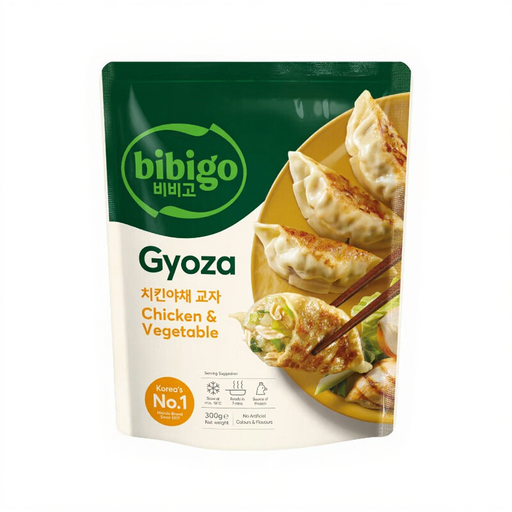
bibigo Chicken & Vegetable Gyoza 300g
Why it suits this profile: The 300 g pack is a manageable introduction to chicken dumplings and is suitable for individual meals or snacks.
The ingredients list includes 20% chicken and vegetables; wheat, soya and sesame are listed as allergens.
According to the product information, they can be breaded or fried; the 300 g pack should be stored frozen.
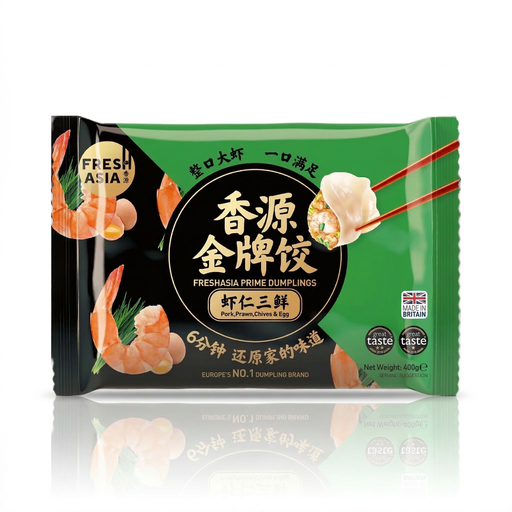
FRESHASIA Shrimp Trio Dumplings 400g
Why it suits this profile: These prawn dumplings combine prawns, pork, chives and omelette, making them a good choice if you’re looking for a more varied filling.
The product information states that they contain 17% prawns and lists crustaceans, wheat, egg, milk, soya and sesame as allergens.
They can be boiled, steamed or pan-fried; the dumplings are individually frozen, so you can portion them straight from the pack.
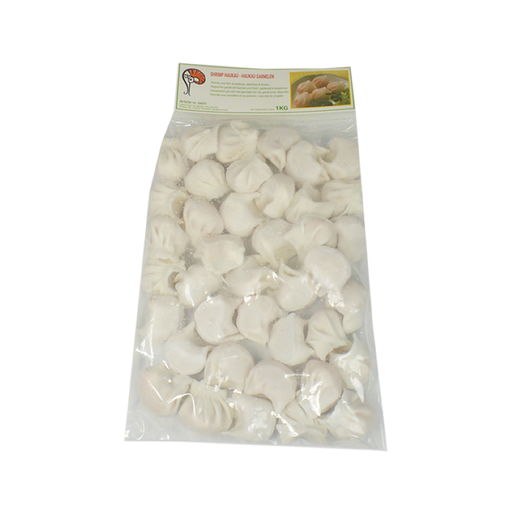
Mooijer-Volendam Royal Ha Kau Shrimp Dumplings 1kg
Why it suits this profile: The 1 kg pack is ideal for families, hosts and anyone who regularly cooks Ha Kau prawn dumplings straight from the freezer.
The product description lists 25% prawns, 8% fish and 8% bamboo shoots, as well as the need to keep them frozen.
The instructions recommend steaming for around 8 to 10 minutes straight from frozen.
Looking for more options?
We’ve put together a complete, regularly updated list of products that meet these strict selection criteria and fully comply with the safety regulations in force in the EU.
Which dumplings suit which tastes?
- Pork dumplings: Often combined with cabbage, spring onions, ginger or mushrooms. Varieties with sauerkraut have a tangy flavour.
- Chicken dumplings: Often made with cabbage, onions, garlic or mushrooms, and usually milder in flavour.
- Prawn dumplings: These include gyoza with prawn filling and Ha Kau with translucent wrappers. Check for crustacean and fish allergens.
- Vegan kimchi dumplings: bibigo Plant-Style Kimchi Korean-Style Dumplings 350 g contain vegetables, tofu and textured soya protein. According to the product information, they’re vegan, but they do contain wheat, soya and sesame.
Frozen dumplings FAQs
How do you cook frozen dumplings?
It depends on the product. Gyoza are often pan-fried, while Ha Kau prawn dumplings are usually steamed. Many products can also be boiled. The dumplings should be piping hot throughout; follow the specific instructions on the pack.
How long do frozen dumplings keep?
You’ll find the best-before date on the pack. Until then, the dumplings must be kept continuously at -18 °C or below. Don’t refreeze them after thawing.
How much do dumplings cost online?
The price depends on factors such as the brand, filling, pack size and prawn or meat content. For a fair comparison, check the price per 100 g. Larger packs may work out cheaper per dumpling, while smaller packs let you try a wider range of varieties.