
Buying Frozen Chinese Dumplings: A Guide to Fillings, Cooking and Storage
Frozen Chinese dumplings are convenient, versatile and ready to serve in just a few minutes. However, jiaozi, gyoza, dumplings and baozi can differ considerably in their fillings, wrappers, allergens and cooking methods. If you choose based only on pack size or the product photo, you could miss important details.
Common buying and cooking pitfalls
1. Dumplings, gyoza and jiaozi are treated as the same thing
The terms are sometimes used interchangeably by German retailers. Jiaozi are usually filled Chinese dumplings that can be boiled, steamed or fried. Gyoza come from Japanese cuisine and often have a thinner wrapper, with cooking methods that are more geared towards frying. Baozi and soup dumplings, by contrast, have a different dough texture and are usually steamed.
So the name alone isn’t what matters: always check the specific cooking instructions on the pack.
2. “Handmade” doesn’t automatically tell you what’s inside
Descriptions such as “Handmade Style” or “traditional” reveal little about the actual contents. Check the ingredients list, the percentage of filling and the allergens. Many products contain wheat, soya and sesame. Some varieties also contain crustaceans, fish or egg.
It’s also worth checking the ingredients in pork dumplings: the meat content can vary considerably between varieties, while vegetables, starch and dough make up the rest.
3. Incorrect storage affects product quality
Frozen dumplings should generally be stored at -18 °C or colder. Avoid letting them thaw repeatedly and then refreezing them. Try to buy frozen food towards the end of your shop and take it home promptly. Once thawed, the product should not be refrozen.
What to check before you buy
Filling and pack size
Packs of 300 to 400 g can work well for a quick meal for one. Families or people who eat them regularly may prefer 600 g packs or mixed packs with several flavours. Also think about which filling you’d like:
- Pork and Chinese cabbage: a milder, well-balanced combination
- Pork and chives: a more aromatic, herby flavour
- Pork and sweetcorn: a slightly sweet vegetable element
- Mushrooms and wood ear mushroom: a more robust filling with plenty of texture
- Spicy varieties: chilli and Sichuan pepper can create a distinctly spicy flavour
- Soup dumplings: contain liquid inside, so take care when eating them after steaming
Wrapper and cooking method
A thin wrapper may mean a shorter cooking time when steaming or boiling, but it can also be more delicate to handle. For pan-frying, look for products whose instructions specifically recommend frying first, then steaming.
Typical cooking times given on product packaging include:
- Boiling: around 5 to 8 minutes
- Steaming: around 8 to 12 minutes
- Pan-frying with water: fry for a few minutes, then cover and cook through
Always follow the manufacturer’s specific instructions. Frozen dumplings should be cooked all the way through and piping hot in the centre.
Allergens and nutritional information
Chinese dumplings often contain gluten from wheat, soya and sesame. Seafood varieties may also contain crustaceans, fish or egg. Check the current labelling on the pack before buying, especially if you have any allergies or intolerances.
Nutritional values also vary. According to the product information available, selected varieties contain around 177 to 229 kcal per 100 g. These figures aren’t a recommendation for any particular diet; they’re provided to help you compare products.
Products for different types of shopper
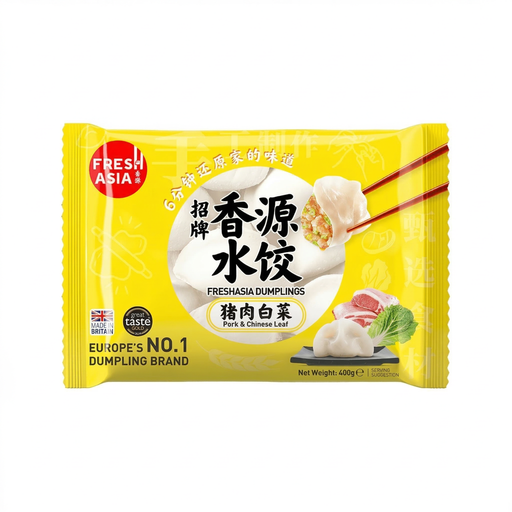
FRESHASIA Pork & Chinese Leaf Dumplings 400g
Why it suits this type of shopper: This 400 g pack combines pork and Chinese cabbage, and can be boiled, steamed or pan-fried. It’s a convenient choice for easy meals that don’t require any extra kitchen equipment.
The cooking methods and storage conditions are clearly stated. The ingredients, allergens and nutritional values are listed too.
400 g pack, 181 kcal per 100 g according to the product information, and a pork and Chinese cabbage filling.
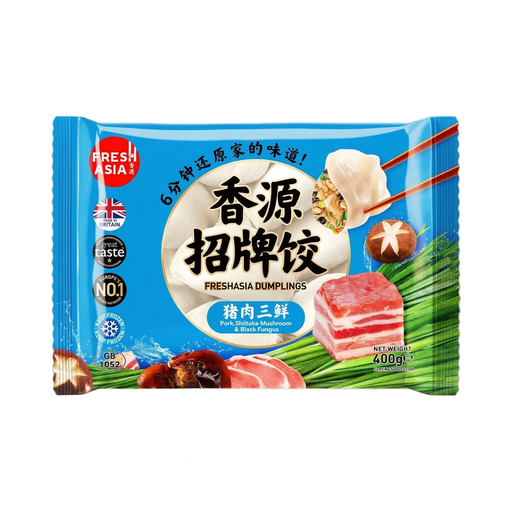
FRESHASIA Signature Dumplings with Pork, Shiitake Mushroom & Black Fungus 400g
Why it suits this type of shopper: The filling combines pork, shiitake and wood ear mushrooms, giving it a different texture from classic vegetable fillings. You can boil or steam these dumplings, or prepare them as potstickers.
The product description lists the main filling ingredients, along with gluten, soya, sesame and crustaceans as allergens.
400 g pack, 186 kcal per 100 g according to the product information, and three listed cooking methods.
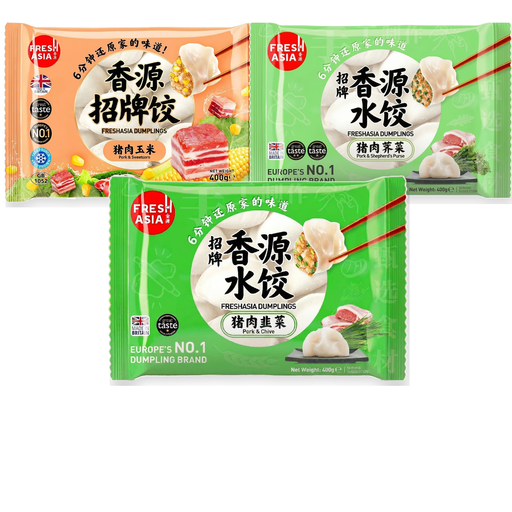
FRESHASIA Pork and Corn Dumplings 400g + Pork and Bittercress Dumplings 400g + Pork and Chive Dumplings 400g
Why it suits this type of shopper: This set includes three 400 g packs with different fillings. It’s a good choice for households that want to compare varieties or regularly prepare Asian frozen food.
Each variety is packed separately, so you don’t have to buy several individual packs with the same filling.
Three flavours, 1,200 g in total and several cooking methods for each variety.
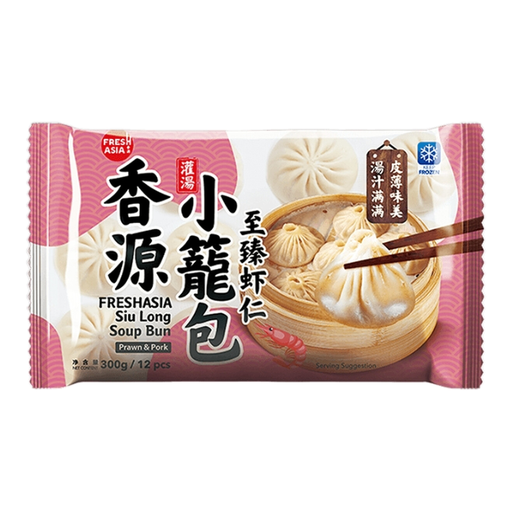
FRESHASIA Siu Long Soup Bun (Prawn & Pork) 300g
Why it suits this type of shopper: These soup dumplings are steamed and have a liquid filling. They’re a good option for shoppers who want to try baozi and dim sum alongside classic jiaozi.
The instructions clearly state the steaming time and warn that the liquid inside will be hot. This helps you plan how to prepare them.
300 g pack, can be steamed straight from frozen, and clearly listed allergens including crustaceans, gluten, soya and sesame.
Looking for more options?
We’ve put together a complete, regularly updated list of products that meet these strict selection criteria and the safety regulations in force in the EU.
How to prepare dumplings without avoidable mishaps
Only add the dumplings to boiling water if the pack instructions recommend it. When steaming, baking paper with a few small holes in it helps stop the wrappers sticking to the steamer basket. To pan-fry dumplings, first fry them from frozen in a little oil. Then add a small amount of water and cover the pan.
Leave soup dumplings to cool briefly after steaming. The liquid inside can be very hot. Serve dumplings with dipping sauces such as black rice vinegar, soya sauce or chilli oil according to your taste, and check the allergens in each sauce.
Frequently asked questions about frozen Chinese dumplings
How long do frozen Chinese dumplings keep?
The specific best-before date is printed on the packaging. If kept continuously frozen at -18 °C or below, they can be stored until that date. Once thawed, they should not be refrozen.
Do you need to thaw frozen dumplings before cooking?
Many jiaozi, dumplings and soup dumplings don’t need to be thawed first. They can be boiled, steamed or fried straight from the freezer. Always follow the instructions from the specific manufacturer.
What’s the difference between dumplings and baozi?
Dumplings is a general term for various types of filled dough. Jiaozi are often boiled, steamed or fried. Baozi are usually round, with a thicker, yeasted dough wrapper, and are steamed. Soup dumplings are filled dough parcels with liquid inside, so take extra care when eating them.