
Buying a fridge-freezer: what to consider when it comes to size, energy use and features
A fridge-freezer should work reliably for many years and suit your kitchen, household and shopping habits. Yet some common buying mistakes can lead to unnecessary costs or limited storage space later on. The most frequent include underestimating the external dimensions, misinterpreting energy information or assuming that features such as No Frost live up to broad marketing claims.
This buying guide from the Joybuy Product Recommendation Officer will help you assess technical specifications objectively and choose the right appliance for your flat, house, kitchen or utility room.
Common fridge-freezer buying mistakes
1. Confusing usable capacity with external dimensions
A large appliance doesn’t automatically offer plenty of usable storage space. The key figures are the separately listed capacities, in litres, for the fridge and freezer compartments. Door shelves, drawers, air ducts and interior walls also affect how much you can actually store.
Before buying, you should also check the following:
- Appliance width, height and depth
- Space needed to open the doors and drawers
- Clearance from walls and nearby furniture
- Width of doorways, hallways and staircases
- Which way the door opens
A fridge with a reversible door offers more flexibility when positioning the appliance. This is particularly useful if it’s going at the end of a kitchen run or in a small flat.
2. The energy efficiency rating isn’t the only thing that matters
The EU energy efficiency scale runs from A to G. However, the annual energy consumption in kilowatt hours is also important for running costs. A larger Class C appliance may use more electricity than a smaller Class D or E model.
For a more realistic estimate, multiply the annual energy consumption by your electricity tariff. Actual usage depends on factors including room temperature, how full the appliance is, how often the doors are opened and the temperature setting.
3. No Frost and Low Frost aren’t the same
A No Frost fridge-freezer circulates cold air in the freezer compartment to reduce ice build-up. Appliances with “Low Frost” slow down ice build-up, but you may still need to defrost them manually from time to time. The two terms shouldn’t be treated as interchangeable.
A fridge-freezer with an inverter compressor doesn’t automatically use a particular amount of energy either. Inverter technology can adjust compressor output to match demand, but the official energy consumption and noise figures for the specific model are what count.
The key things to consider at a glance
Choose a capacity that suits your household
A smaller appliance with around 120 to 180 litres of capacity may be enough for one person or a couple. Families often need more fridge space and a larger freezer compartment. When choosing a fridge-freezer for families, check not just the total capacity but how it’s divided between the compartments.
As a guide:
- Compact appliances: suitable for single-person households, offices or small kitchens
- Medium-sized fridge-freezers: a good choice for couples and smaller families
- Large appliances: suited to larger households, stocking up and regular weekly shops
- Side-by-side fridge-freezer: a good choice if you need plenty of storage space and have a sufficiently wide kitchen
Noise levels for open-plan living spaces
Noise is usually measured in dB(A). A rating of 35 to 39 dB(A) may be worth considering for open-plan kitchens, kitchen-diners or smaller flats. However, always consider the noise level in relation to the appliance’s design and capacity.
A quiet fridge-freezer is particularly useful if the appliance will be near a bedroom or in an open-plan living space. The noise emission class on the EU energy label complements the numerical dB rating.
Choose features that meet your needs
Useful features include:
- No Frost to reduce the need for manual defrosting
- Multi-Airflow to circulate cold air
- Adjustable glass shelves
- Fast cooling and fast freezing
- Door-open alarm
- Reversible door
- Separate temperature zones
- Water or ice dispenser, if you have the right connections
A range of features is only an advantage if you’ll use them day to day. A large dispenser or app control, for example, may take up extra space or mean more cleaning or installation requirements.
Our picks for different types of user
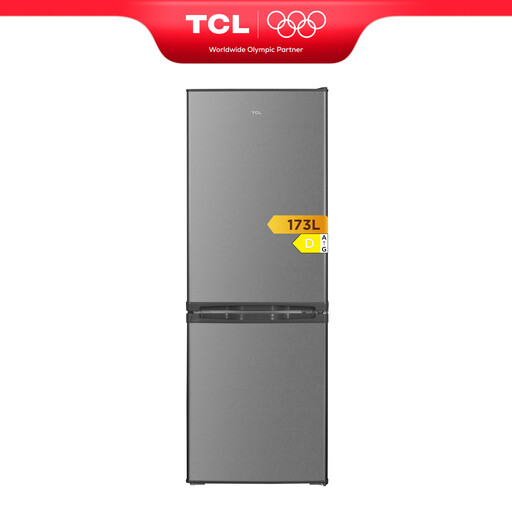
TCL RF225BID0DE fridge-freezer
Why this product suits this profile: With 121 litres of fridge capacity and 52 litres of freezer capacity, this model is suited to smaller households and limited space.
Its compact dimensions and adjustable shelves make it easier to plan your space, without buying an appliance that’s too large for a small household.
Class D energy efficiency, LED lighting, Fresh Zone and height-adjustable shelves.
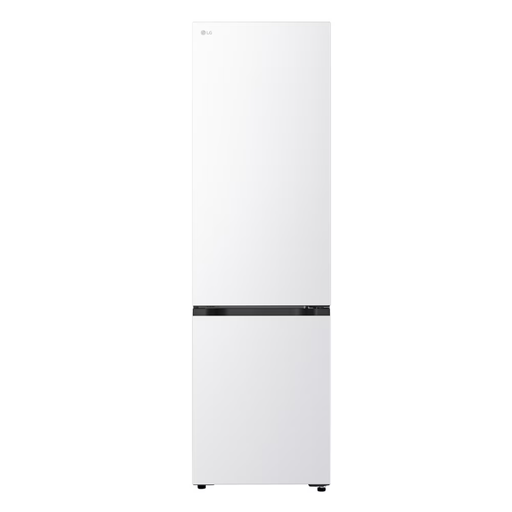
LG GBBS322BSW fridge-freezer
Why this product suits this profile: This appliance combines 375 litres of usable capacity with Class B energy efficiency, a noise level of 33 dB(A) and several separate storage zones.
The annual energy consumption, noise level and dimensions are clearly listed, making it easier to compare this appliance with others.
Total No Frost, Smart-Inverter Compressor, FRESHConverter+ and annual energy consumption of 139 kWh according to the product information.
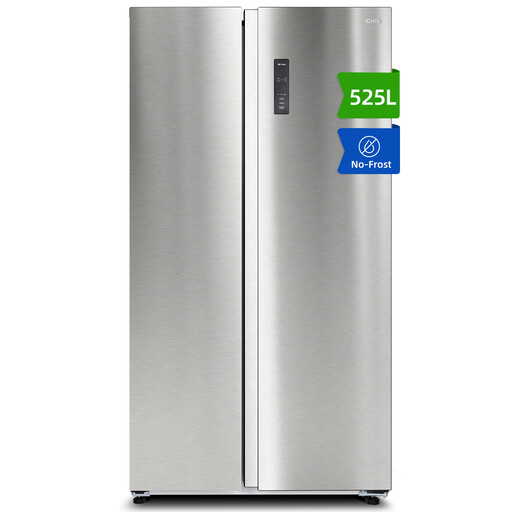
CHiQ JR525WSE 525L side-by-side fridge-freezer
Why this product suits this profile: With 333 litres of fridge space and 192 litres of freezer space, it offers plenty of room for larger households and regular stock-up shops.
No Frost reduces the need for manual defrosting. However, before you buy, make sure you’ve allowed for the width of a side-by-side appliance and the space needed to open its doors.
525 litres of total capacity, Multi-Airflow, inverter compressor, touch controls and 37 dB(A), according to the product information.
Looking for more options?
We’ve put together a complete, regularly updated list of products that meet these strict selection criteria and fully comply with the safety regulations in force in the EU.
Practical tips for positioning and using your appliance
After transport, leave the appliance upright as instructed in the user manual before plugging it in. Positioning it on a stable, level surface reduces vibration and helps the door close properly. Don’t cover the ventilation openings. You should also avoid placing the appliance directly next to radiators or cookers, or in direct sunlight.
To get the most from an energy-efficient fridge-freezer, set the temperature appropriately, keep the doors open for as little time as possible and check the door seals regularly. Let hot food cool before putting it away, unless the user manual says otherwise.
Fridge-freezer FAQs
How long does a fridge-freezer last?
Its lifespan depends on the compressor, how it’s used, where it’s positioned, how well it’s maintained and its build quality. There’s no reliable way to give a fixed lifespan for every model. Regular cleaning, clear ventilation and an intact door seal can help keep it running smoothly.
What size is right for a family?
Appliances with a total usable capacity of around 250 litres or more are often suitable for families. If you shop in bulk or store a lot of food, a fridge-freezer with a large capacity may be a good choice. Consider how the capacity is divided between the fridge and freezer compartments, as well as the space available.
How much does it cost to run?
For a rough estimate, multiply the annual energy consumption shown in kWh by your electricity tariff. Actual consumption may vary depending on room temperature, how full the appliance is, how often the doors are opened and which special features are switched on. The figures on the EU energy label are therefore useful for comparison, but aren’t a guarantee of your individual energy consumption.