
Football Buying Guide: Choose the Right Ball and Avoid Poor Quality
Choosing a new football might seem simple at first glance. However, the differences in material, size, and construction are significant and determine whether the ball becomes unusable after a few weeks or provides years of enjoyment. Many buyers focus on well-known brand names or flashy designs, overlooking crucial technical features. This guide will help you avoid the typical pitfalls and make an informed decision.
Common Mistakes When Buying a Ball: What to Watch Out For
Before you decide on a model, it's helpful to know the three most common problems that can lead to a bad purchase:
- Incorrect Size and Unsuitable Weight: A common mistake is choosing a ball that doesn't match the player's age and stature. A size 5 football is too large and heavy for a six-year-old, which can hinder technical development and reduce enjoyment of the game. Conversely, a ball that's too light feels uncontrollable for an adult.
- Poor Durability Due to Water Absorption: Budget-friendly balls are often made from materials that soak up water in wet conditions. The ball becomes heavy, loses its shape, and the seams can burst. A water-resistant football with sealed or bonded seams is therefore an essential feature, especially for playing on grass.
- Misleading Product Descriptions: Terms like "Replica" or "Training Ball" are not used consistently. While some models are high-quality replicas with excellent playing characteristics (e.g., an Adidas football in the design of the Champions League ball), others are merely visual copies with inferior construction.
Key Selection Criteria
To find the right football, you should focus on objective parameters rather than relying on marketing promises. Two factors are particularly important: ball size and material construction.
1. Official Football Sizes by Age
The size of a football is standardised and should be chosen according to the player's age group. This ensures proper technical development and a safe playing experience.
- Size 5 Football: This is the standard size for adults and youths from around 12 years of age. The circumference is between 68 and 70 cm. It is used in all official adult competitions.
- Size 4 Football: This ball is intended for children aged 8 to 12. With a circumference of approx. 63.5 to 66 cm and a lower weight, it is ideal for junior youth leagues.
- Football for Kids (Size 3): This size is optimal for children under 8 years old. The circumference is approx. 58.5 to 61 cm. The ball is significantly lighter, which makes it easier to start playing and is gentle on the joints.
2. Material, Bladder, and Construction
The durability and playing characteristics of a ball depend directly on the materials used.
- Outer Material: Most modern balls use a surface made of Thermoplastic Polyurethane (TPU). This material is abrasion-resistant and provides a good feel for the ball. Rubber balls are often particularly robust and water-resistant, making them a good choice for playing on various surfaces like hard courts or the beach.
- Bladder: Inside the ball is a bladder, usually made of butyl or latex. A butyl bladder is characterised by excellent air retention. This means the ball needs to be inflated less often and maintains its pressure and shape over a longer period.
- Panel Construction: The way the individual panels of the ball are joined is crucial for water resistance. Machine-stitched balls are the standard for many training balls. Bonded (seamless) balls offer superior shape retention and absorb virtually no water, making them exceptionally durable.
Top Picks for Every Need
Based on these objective criteria, we have identified several models that represent a considered choice for specific user profiles.
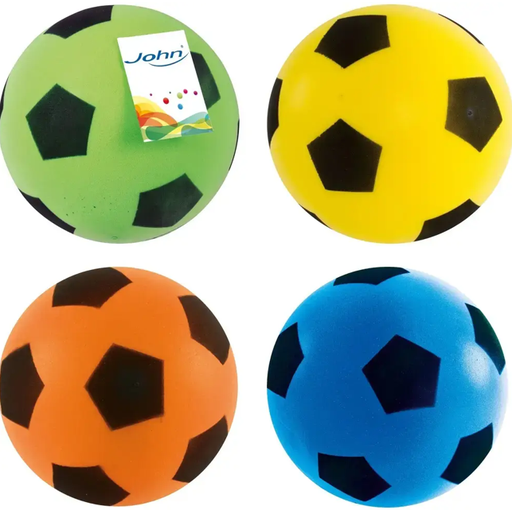
John GmbH 50750 Soft Soccer Ball, Random, 20 cm
Why it's a good fit: Ideal for parents looking for a safe first football for children under 8. The soft foam material minimises the risk of injury and is suitable for playing indoors and in the garden.
This model bypasses the trap of incorrect size and weight, as it is specifically designed for young children. Its light weight and soft feel encourage fun rather than frustration.
Safe foam/plastic material. Lightweight (165 g) for easy handling by small children.
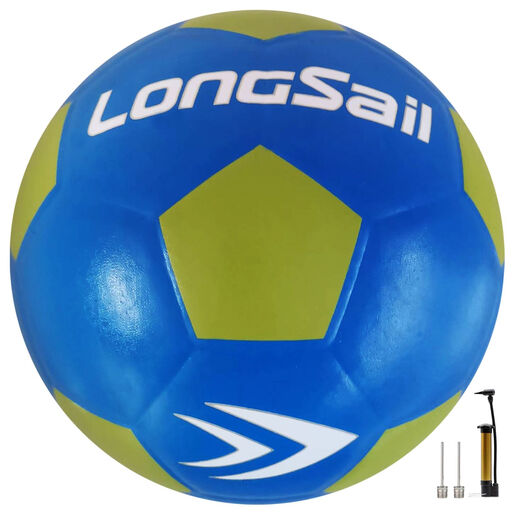
LONGSAIL High-Quality Rubber Soccer, Size 4, Blue/Green
Why it's a good fit: A robust training ball for youth players (8-12 years old), designed for use on various surfaces. The rubber construction makes it durable and weather-resistant.
This model directly addresses the problem of poor durability and water absorption. Its seamless foam rubber casing prevents the ball from soaking up water and is designed for longevity, according to the manufacturer.
Seamless, water-resistant football made of foam rubber. Good air retention due to a double-layer valve. Delivered as a complete set with a pump and ball net.
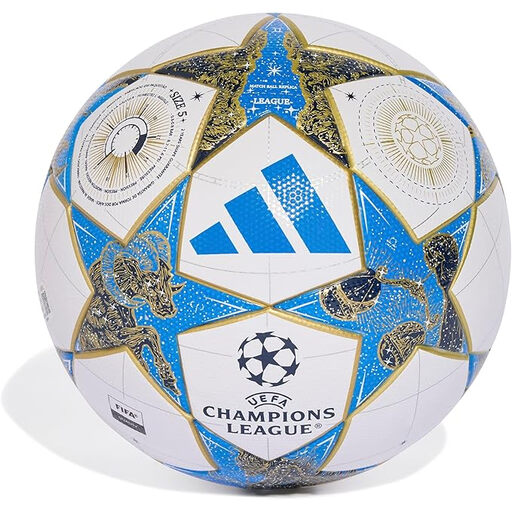
Adidas UCL League 25/26 League Stage Ball
Why it's a good fit: For fans and players who value quality and an authentic playing experience. As an official replica of the Champions League ball, this Adidas football in size 5 offers high-quality performance for training and recreational play.
This model solves the problem of misleading descriptions. It's not just a visual copy but a high-quality replica with a seamless construction and a butyl bladder—features found in genuine performance balls.
Seamless panel construction for minimal water absorption. Butyl bladder for excellent air retention.
Looking for more options?
We have compiled a complete, up-to-date list of products that meet these strict selection criteria.
Frequently Asked Questions (FAQ)
1. How do I inflate a football correctly? Use a ball pump with a suitable needle. It is recommended to moisten the needle slightly before insertion to avoid damaging the valve. Inflate the ball to the pressure indicated on the ball (usually in bar or PSI). Over-inflating can damage the seams and the bladder.
2. How long does a good training ball last? The lifespan of a football heavily depends on the frequency of use, the playing surface, and the material. A high-quality training ball made of TPU or rubber can last for several seasons with regular use on grass. Playing on rough surfaces like asphalt significantly shortens its lifespan. Regular cleaning and storing it in a dry, cool place also contribute to its longevity.
3. Is a more expensive football always the better choice? Not necessarily. The price often reflects factors like official licenses (e.g., Champions League ball), technologies used (e.g., thermally bonded seams), and brand recognition. For children's training or casual recreational play, a durable, mid-range ball is often the more practical and economical choice than a professional match ball. The key is that the ball's features match its intended use.