
Food Storage Containers 2026: A Guide to Choosing the Right Material
Proper food storage is fundamental to preserving freshness, nutritional value, and flavour. Choosing the right food storage containers depends primarily on three factors: the material, the sealing mechanism, and the intended use. Whether for pantry storage, as meal prep containers, or as an airtight lunch box for on the go, the container's technical properties determine its functionality and durability. This guide analyses the most common materials and presents a selection of functional food storage containers.
Buyer's Guide: A Material Analysis of Plastic, Glass, and Stainless Steel
The choice of material is the most fundamental decision when buying food storage containers. Each material offers specific advantages and disadvantages regarding weight, durability, temperature resistance, and maintenance.
Plastic (Polypropylene, PP)
Plastic containers, particularly those made from polypropylene (PP), are widely used due to their light weight and high shatter resistance. A crucial quality indicator is the BPA-free (Bisphenol A-free) label, which ensures that no harmful plasticisers can leach into the food.
- Temperature Resistance: Many PP containers are suitable for use in the microwave (usually up to 120°C, without the lid) and as freezer-safe containers (often down to -20°C).
- Care: They are generally dishwasher-safe but can be prone to staining from heavily pigmented foods (e.g., tomato sauce).
- Use Case: Ideal for transporting meals, storing dry goods, and for general use in the refrigerator.
Glass (Borosilicate Glass)
Glass food storage containers, typically made from borosilicate glass, are distinguished by their hygienic and non-odour-absorbing properties. The material is non-porous, does not stain or retain odours, and is chemically inert.
- Temperature Resistance: Borosilicate glass is extremely heat-resistant (often up to 400°C) and can therefore go directly from the freezer to a preheated oven (without the lid).
- Care: Glass is fully dishwasher-safe and can be cleaned without leaving any residue.
- Drawbacks: A heavier weight and a higher risk of breaking compared to plastic are factors to consider.
Stainless Steel
Stainless steel food storage containers (often made from 304-grade stainless steel) are a robust and durable alternative. They are lightweight, unbreakable, and corrosion-resistant.
- Properties: Stainless steel is odour- and taste-neutral and does not stain.
- Limitations: Stainless steel containers are not suitable for microwave use.
- Use Case: Very well-suited for pantry storage, as a durable lunch box for on the go, and for anyone who prefers plastic-free storage.
Sealing Mechanisms and Leak-Proofing
An effective sealing mechanism is crucial for a food storage container's performance. Models with a four-sided locking system and a silicone seal are considered particularly reliable. They ensure the container is not only airtight but also leak-proof—an essential feature for the secure transport of soups or sauces.
Our Top Food Storage Container Picks for 2026
Based on technical specifications and use cases, we have curated a selection of containers that meet a variety of needs.
1. Lock & Lock HPL844 Storage Container 2.00 L
-
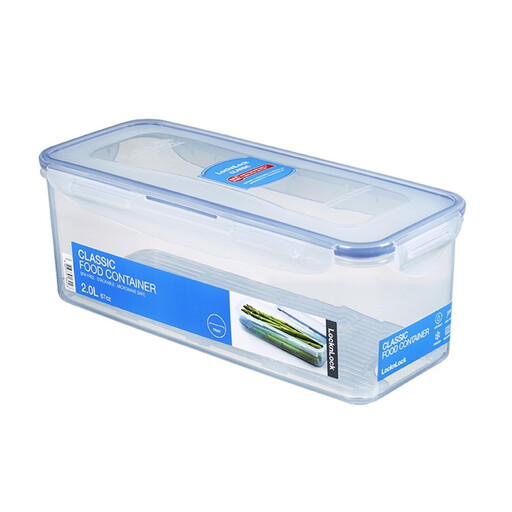
Why We Recommend This Product: The Lock & Lock HPL844 is a functional all-rounder made from BPA-free polypropylene. Its patented four-sided locking system with a dual-chamber silicone seal provides a proven airtight and watertight seal. With a 2-litre capacity, it is excellently suited as a pantry container for larger quantities.
-
Pros:
- 100% airtight and watertight thanks to its patented locking system.
- Made from BPA-free polypropylene, safe for food.
- Suitable for microwave (up to 120°C, without lid) and freezer (down to -20°C).
- Stackable design for space-saving organisation.
-
Who It's For: Families and individuals who want to store large quantities of food like flour, pasta, or cereal, or prepare meals for several days.
2. LocknLock Euro Ovenglass Container Square 750ml
-
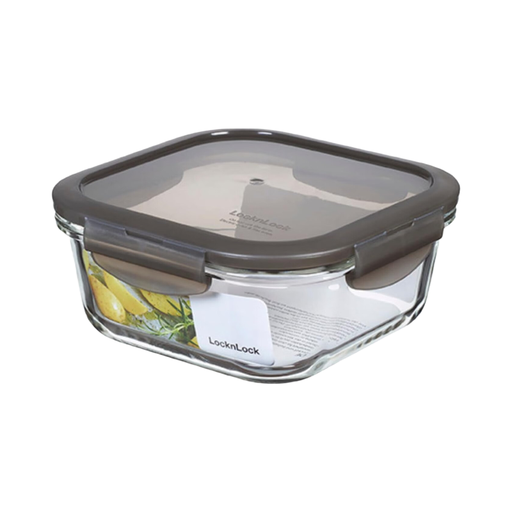
Why We Recommend This Product: This container combines the benefits of borosilicate glass with the proven Lock & Lock sealing system. Being oven-safe up to 400°C (without the lid) makes it a versatile meal prep container for preparing, baking, storing, and reheating dishes all in one.
-
Pros:
- Borosilicate glass container, oven-safe up to 400°C.
- Odour- and taste-neutral, with no staining.
- 100% airtight and leak-proof lid made from BPA-free PP.
- Suitable for oven, microwave (without lid), refrigerator, and freezer.
-
Who It's For: Health-conscious users and meal prep enthusiasts looking for a hygienic, all-in-one glass solution for cooking and storing.
3. PURECOOK 304 Stainless Steel 3-Piece Deep Storage Container Set
-
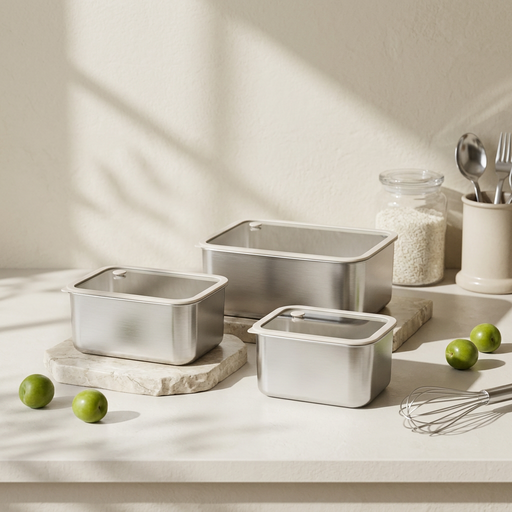
Why We Recommend This Product: This storage container set from PURECOOK is made from food-grade 304 stainless steel, making it extremely durable, lightweight, and corrosion-resistant. The borosilicate glass lids allow you to see the contents without opening the container, while the silicone seal ensures a reliable seal.
-
Pros:
- Set of three sizes (1000 ml, 1800 ml, 3000 ml) for flexible use.
- Body made from uncoated, durable 304 stainless steel.
- High-borosilicate glass lid with a silicone seal for a tight seal.
- Deep, stackable design for maximum space efficiency.
-
Who It's For: Users looking for a plastic-free, unbreakable, and long-lasting solution for organising the fridge, taking salads on the go, or for use when camping.
Other Food Storage Options
While the featured containers cover a wide range of general food storage needs, specialty items like spices or herbs require specialised solutions to best preserve their aroma. For such purposes, dedicated spice containers are available, often designed for maximum flavour preservation.
Frequently Asked Questions (FAQ)
1. What is the best material for food storage containers? There is no single "best" material; the choice depends on the intended use. Plastic (BPA-free PP) is lightweight and shatter-resistant, ideal for on-the-go. Glass (borosilicate) is hygienic, oven-safe, and doesn't absorb odours, perfect for meal prep. Stainless steel is unbreakable and durable, a great choice for plastic-free pantry storage.
2. Are plastic food storage containers safe? Yes, as long as they are labelled BPA-free. Polypropylene (PP) is considered a safe plastic for food contact as it does not contain harmful plasticisers like Bisphenol A. It's important to look for the relevant labels and certifications.
3. How do you clean food storage containers properly to prevent odours? For a thorough cleaning, containers and lids should be rinsed with warm water and mild washing-up liquid immediately after use. On many models, the silicone seal can be removed for separate cleaning, which prevents the build-up of bacteria and odours. Glass and stainless steel containers are naturally less prone to retaining odours than plastic.