
Food Storage Container Buyer’s Guide for an Organized Kitchen
A well-organized kitchen and long-lasting fresh food are the cornerstones of a healthy diet and a sustainable household. However, given the vast array of available food storage containers, making a choice can be overwhelming. Whether for pantry organization, meal prep, or securely transporting food, the demands on kitchen storage containers are diverse.
This article serves as your guide. It highlights the essential features to consider when making your selection and presents a curated list of models for various uses. Our goal is to provide you with an informed basis for your decision, helping you find the perfect solution for your needs.
What to Look for When Choosing Food Storage Containers
To ensure the functionality and durability of your storage containers, several criteria are crucial. The following points will help you evaluate the features of different models.
1. Material and Food Safety
The material directly impacts the container's use and safety. Plastic containers are lightweight and shatterproof, making them ideal for transport and refrigerator storage. Look for the BPA-free label. BPA (Bisphenol A) is a chemical compound found in some plastics, and it is recommended to avoid it in products that come into contact with food. Glass containers are another option; they are odor- and stain-resistant but are heavier and more fragile.
2. Seal Mechanism and Leak-Proofing
A reliable seal is the core feature of a good food storage container. There are two main properties to distinguish:
- Airtight: An airtight seal protects dry foods like cereal, pasta, or flour from moisture and pests. It ensures that crackers and cookies stay crisp.
- Leak-proof: A leak-proof seal is essential if you want to store or transport liquid or moist foods like soups, sauces, or salads. Models with locking clips and an integrated silicone gasket often offer the highest level of security.
3. Practical Features for Everyday Use
For efficient use in the kitchen, containers should have additional functional features:
- Stackable: To make the most of space in cabinets, drawers, and the refrigerator, stackable containers are a smart choice. A modular food storage container set allows for particularly tidy and space-saving storage.
- Microwave-safe: For quickly reheating meals, it's convenient if the container can go directly into the microwave. Always follow the manufacturer's instructions, as the lid often needs to be removed.
- Freezer-safe: If you prepare meals in advance or want to freeze leftovers, you need containers that remain stable and shatterproof even at low temperatures.
Top Food Storage Container Picks
Based on the criteria mentioned, we have compiled a selection of products suitable for various purposes.
Maxcook Storage Container for Dry Foods
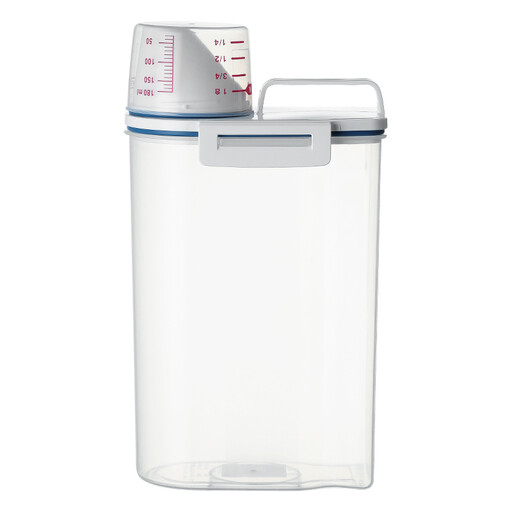
Why It Stands Out This container is specifically designed for storing dry bulk goods. With a 2.5-liter capacity and an airtight seal, it is perfect for storing grains, rice, flour, or pet food. A practical detail is the included measuring cup, which allows for precise portioning directly from the container.
Advantages
- Large Capacity: 2.5-liter volume for pantry staples.
- Airtight Seal: Protects contents from moisture and keeps them fresh.
- Transparent Design: The fill level is always easy to see.
- Includes Measuring Cup: Makes measuring quantities easier.
Who It's For Ideal for households that store dry foods in larger quantities and are looking for an organized, accessible solution for their pantry or kitchen cabinet.
LocknLock Fresh Container for Fruits and Vegetables
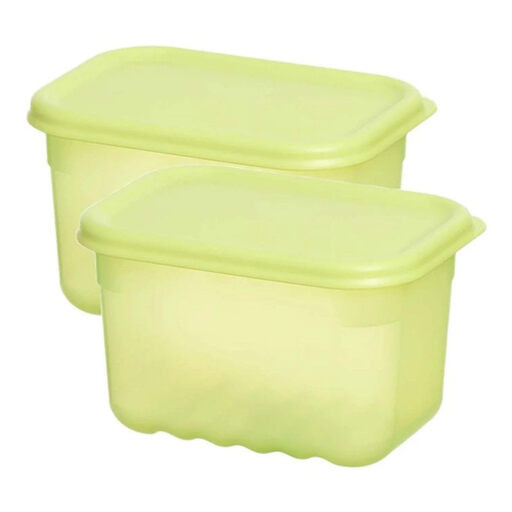
Why It Stands Out The LocknLock container is designed to extend the life of fruits and vegetables. According to the manufacturer, the "Breath Care Fresh Solution" with ethylene absorption keeps food fresh for up to 31 days longer. The double-seal closure blocks odors and protects the contents.
Advantages
- Special Freshness Feature: Ethylene-absorbing technology to extend the shelf life of fruits and vegetables.
- Tested Material: Made from BPA-free plastic, with antibacterial and antifungal properties tested by SGS.
- Versatile Use: The container is microwave-safe (without lid), freezer-safe, and dishwasher-safe.
- Durable and Stackable: Extra-thick walls make the container impact-resistant, while the modular design facilitates stacking.
Who It's For A great choice for health-conscious individuals and families who want to keep fresh produce like lettuce, berries, or vegetables crisp for as long as possible and reduce food waste.
Emsa Clip & Close 3-Piece Set for Meal Prep and Transport
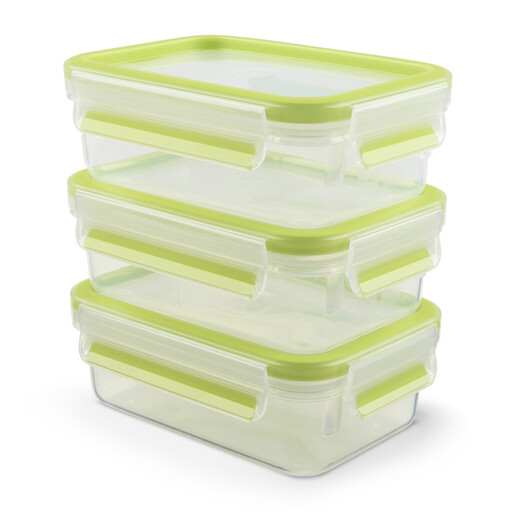
Why It Stands Out This food storage container set from Emsa represents reliability and hygiene. Its unique feature is the seal, which is firmly integrated into the lid, leaving no gaps for germs or food residue. The manufacturer states that the containers are 100% leak-proof, making them a dependable companion for on-the-go meals.
Advantages
- 100% Leak-Proof: Thanks to the patented freshness seal, it's ideal for transporting soups and other liquids.
- Hygienic Design: No gaps between the seal and the lid.
- Convenient Set: Three containers, each with a 0.55-liter capacity, perfect for meal prep or storing leftovers.
- Temperature-Resistant: Suitable for temperatures from -40°C to +110°C (-40°F to +230°F), making it freezer-safe and microwave-safe.
Who It's For Perfect for professionals, students, and anyone who regularly prepares meals and wants to transport them securely to work, university, or on trips.
Explore More Options
If the featured models don't exactly meet your needs or if you're looking for specific designs like opaque plastic containers with lids, you can find more options in our broader selection.
Discover more kitchen storage containers here
Frequently Asked Questions (FAQ)
1. What does "BPA-free" mean and why is it important? "BPA-free" means that a plastic product was made without the chemical compound Bisphenol A. This substance is suspected of having potential health effects. For products that come into contact with food, such as food storage containers, BPA-free materials are often used to ensure safe storage.
2. Can all food storage containers go in the microwave and freezer? No, not all containers are suitable for extreme temperatures. Whether a container is microwave-safe or freezer-safe depends on the material. Look for the corresponding symbols on the product or in the product description. Typically, when heating in the microwave, the lid must be removed or at least placed loosely on top to prevent pressure buildup.
3. What is the best way to clean food storage containers to avoid odors? Most modern food storage containers are dishwasher-safe. For a thorough manual cleaning, warm water with a mild dish soap is recommended. To remove stubborn odors, such as from onions or strongly spiced foods, you can fill the container with a mixture of water and vinegar or baking soda and let it sit for a few hours. Then, rinse thoroughly and let it dry completely before closing it again.