
Food Storage Container Buyer's Guide: Key Considerations
A well-organised kitchen starts with the right storage solutions. But the market for food storage containers is overwhelming and full of marketing claims that often fall short. A leaky container in your work bag, a lid that warps after just a few washes, or stains that won't come out—these problems are avoidable.
As your Joybuy Product Recommendation Officer, I'll help you recognise the common pitfalls and make an informed decision. We'll focus on the crucial features that define a quality food storage container, ensuring you find a durable solution that perfectly suits your needs.
The 3 Most Common Traps When Buying Food Storage Containers
Before we get to the solutions, let's look at the most common reasons for buyer's remorse. Many products advertise features whose true meaning is often hidden in the fine print.
- The 'Leak-Proof' Trap: Many containers are advertised as leak-proof, but the reality is often different. A simple silicone ring in the lid isn't enough. If the locking system—usually the clips—doesn't create enough pressure or loses its tension over time, the container will leak. The result is a nasty surprise in your backpack or refrigerator.
- The 'Oven-Safe' Ambiguity: A glass food storage container labelled as oven-safe seems ideal for making casseroles. The critical point that's often overlooked: this heat resistance almost exclusively applies to the glass container itself, not the plastic lid. If the lid is also heated in the oven or microwave, it can warp or melt, rendering the container useless.
- The Material Misdirection: The BPA-free label is now a widespread standard for plastic containers. However, that alone is no guarantee of durability. Low-quality plastic can stain and absorb odours when it comes into contact with oily or acidic foods. For glass containers, the difference between standard soda-lime glass and high-quality borosilicate glass is crucial for its resistance to temperature changes.
What Really Matters: The Decisive Selection Criteria
To avoid these traps, you should focus on three verifiable core parameters. These define the quality and practical utility of your future kitchen storage containers.
1. The Material: Glass or Plastic?
The choice of material depends directly on your intended use.
- Glass Food Storage Containers: Containers made of borosilicate glass are the top choice for anyone who wants to prepare, heat, and serve food directly in the container. This material is hygienic, doesn't absorb odours or stains, and is typically oven-safe (without the lid) and microwave-safe. It's ideal for meal prep containers, as it can handle everything from preparation and freezing to reheating.
- Plastic Food Storage Containers: High-quality plastic containers are lightweight, shatterproof, and often more budget-friendly. They are excellent for transporting salads, sandwiches, or storing dry goods. Look for a solid material thickness and the BPA-free label. Brands like Emsa or LocknLock often use special plastics that retain their shape even after many wash cycles.
2. The Locking System: Seal and Hygiene
A reliable seal is the core component of any good food storage container.
- Locking Mechanism: Systems with four click-locks, common with LocknLock and Emsa, have proven to be very reliable in creating an airtight and leak-proof seal.
- Gasket: The silicone gasket in the lid should be easily removable for thorough cleaning. Otherwise, residue and germs can accumulate in the grooves over time. A double or hollow-chamber gasket often provides better protection.
3. Functionality: Stackability and Temperature Resistance
Practical details determine how much you'll enjoy using the containers in your daily routine.
- Stackability: Look for a slightly raised edge on the lid or an indentation in the base. This allows for secure stacking in the fridge or cupboard, saving valuable space.
- Temperature Range: Check the manufacturer's specifications for freezer, microwave, and dishwasher suitability. Avoid sudden, extreme temperature changes (thermal shock), such as placing a frozen glass container directly into a hot oven. This can lead to material fatigue or cracks, even with borosilicate glass.
Recommended For Your Needs
Instead of making a one-size-fits-all recommendation, we've selected products tailored to specific user profiles.
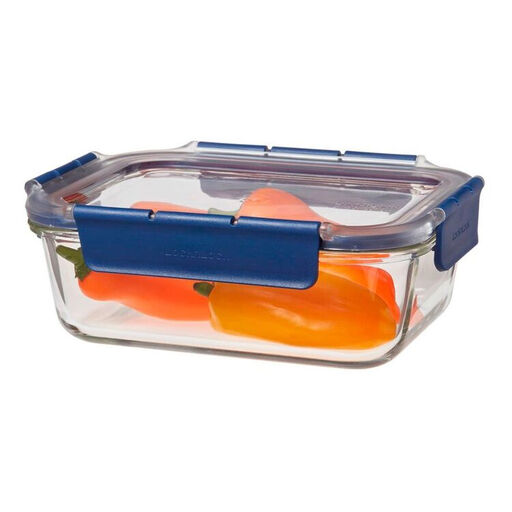
Lock&Lock Boroseal Heat-Resistant Glass Container, 1.0 L
Why This Fits Their Persona: Ideal for people who prep meals and eat directly from the container. The 1.0 L size is perfect for a main course, and the material allows for maximum flexibility from the oven to the table.
This container is made of borosilicate glass, which is oven-safe up to 400°C according to the manufacturer. It bypasses the material trap and the "oven-safe" ambiguity, as it's clearly communicated that the lid must be removed before heating.
The sturdy Tritan lid is more shatterproof and stain-resistant than standard plastic lids. The 4-clip locking system ensures a reliably tight seal.
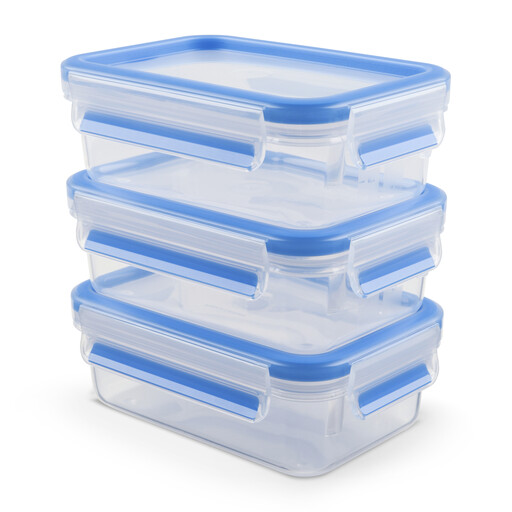
Emsa Clip & Close 3-Piece Food Storage Container Set
Why This Fits Their Persona: A practical food storage container set for versatile family life. The lightweight plastic containers are ideal for school lunches, dinner leftovers, or freezing portions. The uniform size makes organisation easy.
This set addresses the "leak-proof" trap. According to the manufacturer, the special freshness seal, combined with the strong clips, ensures a 100% tight and hygienic seal with no gaps for germs.
The containers are freezer and microwave-safe (place lid on loosely) as well as dishwasher-safe. As a BPA-free product, it's suitable for storing food for the whole family.
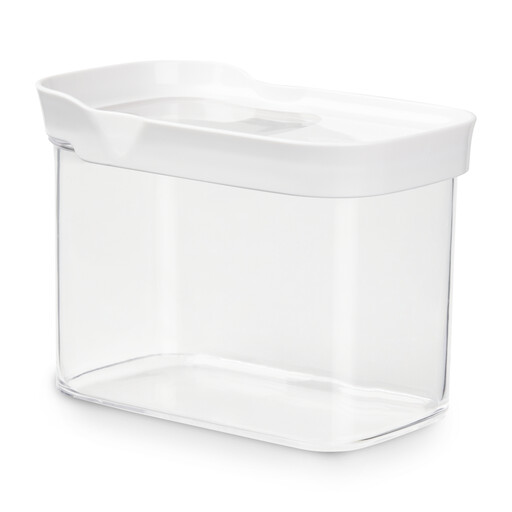
Emsa Optima 1-Litre Dry Food Storage Container with Pour Lid
Why This Fits Their Persona: Perfect for anyone looking for tidy and functional storage for dry foods like cereal, rice, or flour. The transparent body and pour lid make daily use simple and clean.
This storage container is designed specifically for its purpose. It doesn't promise to transport soup; instead, it offers reliable protection against moisture and pests, which is exactly what matters for dry goods.
The containers are designed to fit standard kitchen cabinet dimensions and are stackable to save space. The click-lock provides audible feedback to confirm the container is securely closed.
Looking for More Options?
We have compiled a complete, up-to-date list of products that fully meet these strict selection criteria and rigorous safety standards.
Frequently Asked Questions (FAQ)
1. How do you properly clean food storage containers with a silicone gasket?
For hygienic cleaning, it's advisable to regularly remove the silicone gasket from the lid. Wash both the lid and the gasket by hand with warm water and mild dish soap, or in the dishwasher if approved by the manufacturer. Let both parts air dry completely before reinserting the gasket. This prevents the build-up of mould and unpleasant odours.
2. Can glass food storage containers go directly from the freezer to the oven?
No, you should absolutely avoid this. Even heat-resistant borosilicate glass can crack or shatter from a sudden, extreme temperature change (thermal shock). Let the frozen container thaw first at room temperature or in the refrigerator before placing it in a preheated oven. Always remove the lid.
3. What does "BPA-free" mean and why is it important?
BPA (Bisphenol A) is a chemical compound used in the manufacturing of certain plastics, such as polycarbonate. It is suspected of being harmful to health as it can leach from the plastic into food. The BPA-free label means that the manufacturer has intentionally avoided using this chemical in the production of the plastic. This is an important safety standard for products that come into contact with food.