
Drink Syrup Buyer's Guide: Smart Selection Tips
Making your own sodas, cocktails, or flavoured waters is on the rise. A high-quality drink syrup is the key ingredient. However, the market can be overwhelming, and not every product delivers on the promise of its colourful packaging. Before you buy a syrup, it's crucial to know the common pitfalls to avoid disappointment and unnecessary expense. This guide will help you separate the wheat from the chaff.
The 3 Most Common Traps When Buying Syrup
Many consumers are drawn to appealing labels or brand names, but overlook decisive quality markers. This often leads to an unsatisfying taste experience.
- The "All-Natural" Trap: A label featuring images of fresh fruit is no guarantee of a high fruit content. Many products, especially in the lower price range, are primarily based on sugar, water, and artificial or "nature-identical" flavourings. The actual fruit juice content is often minuscule, resulting in an artificial and one-dimensional flavour.
- Unbalanced Sweetness Without Acidity: A good fruit syrup thrives on the interplay of sweetness and acidity. Products that rely almost exclusively on sugar or glucose-fructose syrup often taste merely sweet and lack refreshing, fruity complexity. The result is a bland soda or a cocktail that lacks depth of flavour.
- Poor Solubility in Cold Drinks: The quality of a syrup truly shows when preparing iced tea, cold sodas, or cocktails. Inferior products dissolve poorly, forming a sticky layer at the bottom of the glass. A good bar syrup should blend homogeneously with cold liquids without clumping.
What Really Matters: The Decisive Factors
To avoid a bad purchase, you should look at the details before making a decision. Three parameters are crucial for the quality and taste of a syrup.
Ingredient List and Fruit Content
The most telling information is found on the ingredients list. Pay attention to where fruit juice or fruit juice concentrate is listed. As a rule of thumb, the higher up the ingredient is on the list, the greater its proportion. A percentage indicator like "equivalent to 18% fruit juice content in the final product" is a clear sign of quality. Products that only list "flavouring" without specifying the fruit content often provide a less authentic taste experience.
Sugar Type and Concentration
The type of sweetener used affects not only the taste but also the calorie count.
- Sucrose (Table Sugar): Considered the classic sweetener, it provides a pure, sweet taste.
- Fructose or Glucose-Fructose Syrup: These are often cheaper to produce but can leave a slightly different taste impression.
- Artificial Sweeteners: Syrups with sweeteners like Acesulfame-K or sucralose are lower in calories but often have a characteristic aftertaste that isn't to everyone's liking.
A high sugar content (often over 60g per 100ml) ensures a long shelf life and means the product goes a long way, as you need less syrup per drink.
Viscosity and Intended Use
The consistency (viscosity) is crucial for the application. A thicker syrup is well-suited as a topping for desserts or ice cream, while a slightly runnier lemonade syrup dissolves more easily in water. For preparing syrup for cocktails, a medium viscosity is ideal, ensuring good mixability without making the drink watery. Brands like Monin syrup have become established in the bar scene because their products are designed for consistent viscosity and mixability.
Tailored Recommendations For You
Different products are suited for different purposes and user needs. Here are some recommendations tailored to specific user groups.
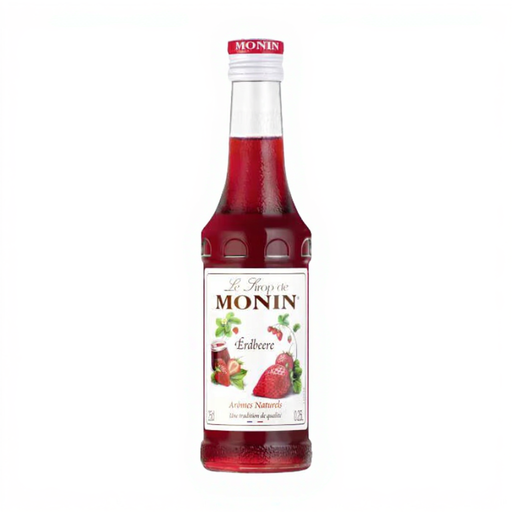
Monin Strawberry Syrup 0.25l
Why This Fits Their Persona: Ideal for anyone who loves to experiment at home. The 0.25-litre bottle is perfect for trying out new flavours for cocktails, smoothies, or homemade sodas without committing to a large quantity. Monin is an established brand in the hospitality industry, which speaks to its reliable quality.
Monin clearly declares the fruit juice content (here, 18% strawberry juice), thus avoiding the "all-natural" trap. The recipe is designed for a good balance between sweetness and fruit, as well as optimal mixability in cold drinks.
Versatile for use in drinks and desserts. The professional quality ensures consistent results in cocktails.
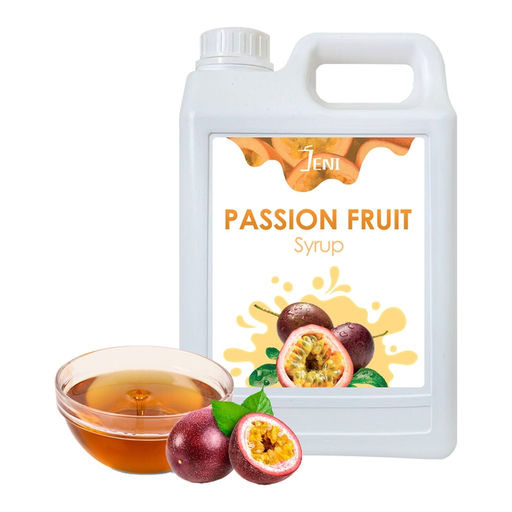
JENI Passion Fruit Syrup - 1.9L/2.5Kg for Soda
Why This Fits Their Persona: This bulk pack is ideal for daily use in families where soda or spritzers are frequently consumed. It offers excellent value for money and ensures there's always a supply on hand for thirsty kids and adults.
This product focuses on economy without major compromises on taste. It contains passion fruit juice and is specifically designed for making sodas, ensuring good solubility and a fruity flavour.
Very high yield due to the large 1.9-litre volume. Easy preparation of refreshing drinks by simply mixing with water.
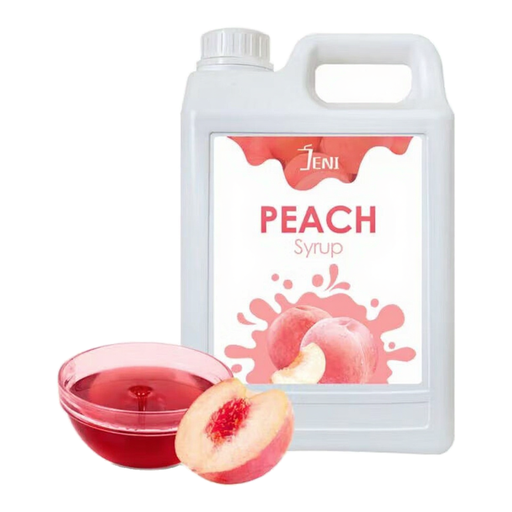
JENI Peach Syrup - 2.5 Kg for Soda
Why This Fits Their Persona: Cafés, bars, or event organisers need large quantities of syrup that is consistent in taste and quality. The 2.5 kg bottle is designed for the high turnover of a professional environment and ensures an efficient workflow.
This product is formulated for professional use. It offers reliable solubility and a consistent flavour, which is essential for the repeated preparation of standard drinks like iced tea or sodas. The large packaging is also cost-effective.
Bulk container for high cost-effectiveness and efficiency. Designed for easy handling and dispensing in a food service setting.
Looking for More Options?
We have compiled a complete, real-time list of products that fully satisfy these strict selection criteria and UK safety regulations.
Frequently Asked Questions (FAQ)
1. How long does syrup last after opening?
The shelf life after opening varies depending on the product and its sugar content. As a general rule, an opened syrup will last for several weeks to a few months. A high sugar content acts as a preservative. Always follow the manufacturer's instructions on the label. Storing it in a cool, dark place will extend its shelf life.
2. Do I need to store syrup in the refrigerator?
It is generally recommended to store syrup in the refrigerator after opening. This slows the growth of microorganisms and preserves the freshness and flavour of the product, especially for syrups with a lower sugar content or a high proportion of natural fruit components.
3. What is the ideal mixing ratio for soda syrup?
A common mixing ratio for sodas is 1 part syrup to 6 to 8 parts water (still or sparkling). However, this is just a recommendation. Adjust the ratio to your personal taste. Start with less syrup and add more if needed to find the right level of sweetness for you.