
Fitbit Charge 6 Buyer's Guide: Key Considerations
Choosing a fitness tracker can quickly become overwhelming. Promises of long battery life, countless sport modes, and precise health sensors make it difficult to distinguish quality from hype. Before you buy a Fitbit Charge 6, it's crucial to understand the common pitfalls to make an informed decision that fits your lifestyle.
3 Common Pitfalls When Buying Fitness Trackers
Many users discover after their purchase that their new device doesn't live up to its advertising promises. Pay close attention to these three points:
- Misleading Battery Life Claims: An advertised battery life of "up to 7 days" is often only achieved under ideal conditions—meaning minimal use, the always-on display disabled, and no GPS activity. With daily workouts using GPS, the actual battery life can be significantly shorter.
- Hidden Subscription Costs: Many advanced features, such as detailed sleep analysis, Daily Readiness Score, or personalised insights, are often locked behind a paywall (e.g., Fitbit Premium). The device alone doesn't always unlock its full potential.
- Inaccurate GPS Tracking: Cheaper models often advertise GPS but only use the GPS signal from a connected smartphone ("Connected GPS"). This means you must always carry your phone with you when running or cycling. A fitness tracker with GPS that works independently offers much more freedom.
Key Parameters: What Really Matters
To avoid disappointment, you should check three core technical features before buying. These determine whether an activity tracker like the Fitbit Charge 6 is right for your needs.
1. Built-in GPS: Autonomy for Your Workouts
A key difference lies in the type of GPS.
- Built-in GPS: The tracker has its own GPS receiver. You can leave your smartphone at home and still accurately record your route, speed, and distance. This is ideal for runners, cyclists, and hikers who want to move freely. The Google fitness tracker Fitbit Charge 6 includes this feature.
- Connected GPS: The tracker uses your smartphone's GPS signal. Without the phone nearby, no route tracking is possible. This limits flexibility and is less suitable for serious outdoor training.
2. Health Metrics: ECG, SpO2, and Their Practical Relevance
Modern trackers offer a wide range of health data. It's important to understand what these metrics mean and how they are used.
- ECG App: An activity tracker with ECG can take an electrocardiogram (ECG) on your wrist. This is used to detect signs of atrial fibrillation (AFib), a type of heart rhythm irregularity. While not a medical diagnostic tool, it can provide important information for a conversation with a doctor.
- SpO2 Monitoring: This feature measures the oxygen saturation in your blood. Monitoring during sleep can indicate potential breathing disturbances.
- Heart Rate Variability (HRV) & Skin Temperature: These metrics provide insights into your body's recovery status, stress levels, and potential signs of an oncoming illness.
Note that in-depth analysis and long-term trends for this data are often tied to a premium subscription.
3. Water Resistance: Not Every "Waterproof" Smart Band is Suitable for Swimming
The water resistance rating is often specified in ATM (atmospheres) or metres.
- 5 ATM (50 Metres): A smart band waterproof up to 50 metres, like the Fitbit Charge 6, is suitable for swimming in pools or the ocean, as well as for showering.
- IP67/IP68: This certification typically only means protection against temporary submersion (e.g., washing hands, rain). Such devices are unsuitable for swim training.
Avoid wearing trackers rated 5 ATM in saunas, steam rooms, or during high-speed water sports, as high water pressure or extreme temperatures can damage the seals.
Products by User Profile
Based on these criteria, we have identified a few models that are particularly well-suited for different needs in the UK and Europe.
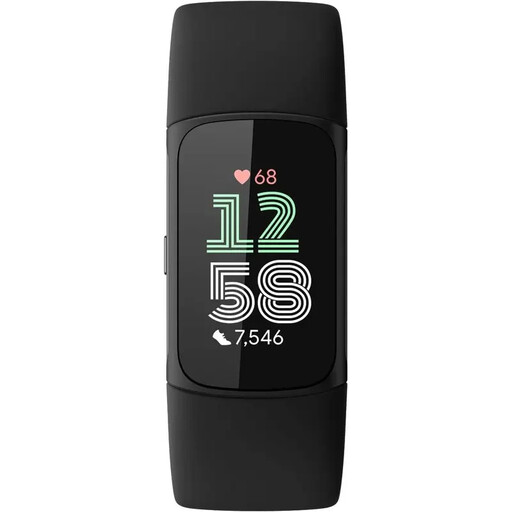
Google Fitbit Charge 6 Activity Tracker Obsidian/ Black
Why This Fits Their Persona: Ideal for users who want a reliable companion for daily life, gym sessions, and outdoor activities. The integration of Google Wallet and Google Maps often makes a smartphone unnecessary—whether paying for a coffee after a run or navigating through the city.
The built-in GPS provides independence from your smartphone and delivers precise route data. The battery life of up to 7 days is realistic when GPS is used only for specific workouts.
Built-in GPS for autonomous training. Seamless integration of Google services (Maps, Wallet). Comprehensive health features (ECG, SpO2).
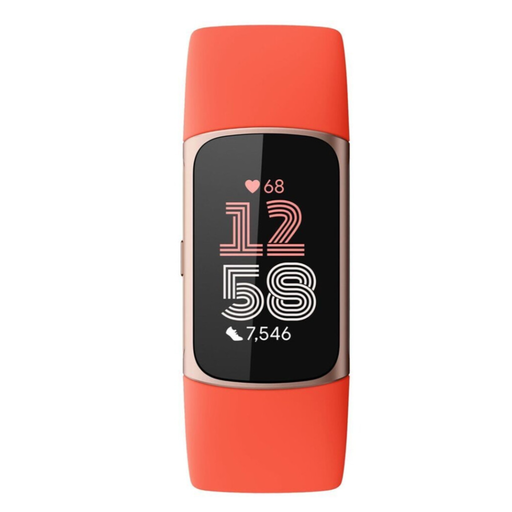
Google Fitbit Charge 6 Activity Tracker Coral/ Champagne Gold
Why This Fits Their Persona: For users seeking a functional wearable that also serves as a fashion accessory. The Coral/Champagne Gold colour combination is an eye-catcher without compromising on powerful health and fitness features.
This model proves that design and function can go hand in hand. It offers the same robust features as the standard version, including 5 ATM water resistance and the ECG function.
Elegant design with a high-quality aluminium case. Full feature set of the Charge 6 in a fashionable colourway. Slim profile that isn't bulky.
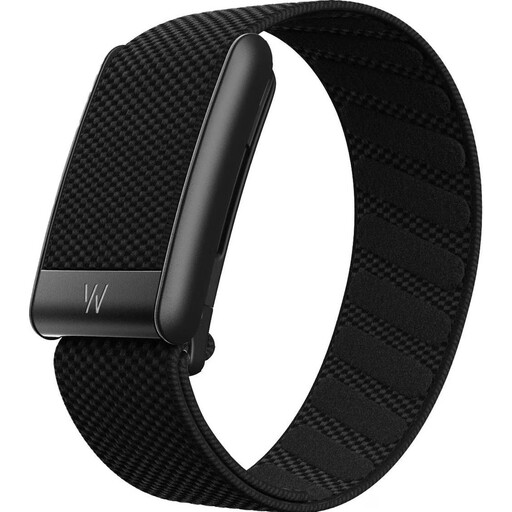
WHOOP Peak 12-Month Membership with WHOOP 5.0 Health and Fitness Tracker
Why This Fits Their Persona: For athletes who prioritise the analysis of strain and recovery data. WHOOP focuses on metrics like heart rate variability and sleep quality to optimise training. The screenless design ensures distraction-free wear, 24/7.
The business model is transparent: the tracker is part of a membership. There are no hidden costs, as all analysis features are included in the subscription. The focus is clearly on data collection, not smartwatch functions.
Focus on detailed recovery and strain analysis. Screenless, lightweight design for continuous wear. Transparent subscription model with no feature paywalls.
Looking for more options?
We've compiled a complete, up-to-date list of products that fully meet these strict selection criteria and European safety regulations.
Frequently Asked Questions (FAQ)
1. Do I need a Fitbit Premium subscription for the Fitbit Charge 6? No, the basic functions of the Fitbit Charge 6, such as step counting, heart rate monitoring, sleep stage tracking, and the use of GPS, Google Wallet, and notifications, are available without a subscription. However, a Fitbit Premium membership is required for advanced analytics like the Daily Readiness Score, detailed sleep profiles, mindfulness exercises, and an extensive library of workouts. A 6-month trial membership is typically included with the purchase.
2. How accurate is the built-in GPS on the Fitbit Charge 6? The built-in GPS on the Charge 6 allows for autonomous tracking of outdoor activities without a smartphone. For most recreational athletes and everyday users, the accuracy is sufficient to reliably track distance and pace. In areas with very poor satellite reception (e.g., dense forests, urban canyons), minor deviations can occur, as is common with many GPS devices.
3. Can I go swimming with the Fitbit Charge 6? Yes, according to the manufacturer, the Fitbit Charge 6 is water-resistant up to a depth of 50 metres (5 ATM). This makes it suitable for swimming in a pool or the ocean, as well as for wearing in the shower. A dedicated swim mode also tracks your laps. However, it is not recommended to wear the tracker in a sauna, steam room, or hot tub.