
Buying Fermented Tofu: A Guide to Avoiding Common Mistakes
As a Joybuy Product Recommendation Officer, I often see consumers face challenges when choosing specialty items like fermented tofu. This traditional condiment, also known as doufu ru or pickled tofu, is a cornerstone of Chinese cuisine, yet the variety available in stores can be overwhelming. Mismatched expectations about flavour or texture can quickly lead to a purchase you'll regret. This guide will help you navigate the most common pitfalls and find the right product for your culinary adventures.
The 3 Most Common Pitfalls When Buying Fermented Tofu
Before you buy fermented tofu, you should be aware of the common issues that can spoil the experience. An informed decision will save you from disappointment.
- Misleading Flavour Descriptions: A product labelled "spicy" can range from having a barely perceptible heat to an intense, burning spiciness. Conversely, a jar described as "traditional" might have an unexpectedly sweet or strong alcoholic aftertaste that doesn't suit every dish.
- Unsuitable Texture for the Intended Use: The consistency of fermented tofu varies significantly. Some products consist of firm cubes that work well as a side dish but are difficult to dissolve into a sauce. Others are so creamy that they are ideal as a spread or for mixing in, but they will lose their shape in a braised dish. Buying a product with the wrong texture can render a recipe unusable.
- Unexpected Additives: Many consumers are looking for an authentic flavour experience. However, some products contain flavour enhancers like monosodium glutamate (MSG), sweeteners, or preservatives that alter the original character of the fermented product. A quick look at the ingredients list is therefore essential.
What Really Matters: Key Parameters for Your Selection
To find the right Chinese condiment tofu, focus on three objective criteria. These will help you accurately assess a product's characteristics.
1. Variety and Flavour Profile
Not all fermented tofu is created equal. The variety determines the fundamental aroma and colour:
- White Fermented Tofu (Bái Dòufu Rǔ): This is the most straightforward, basic form. It has a salty, creamy, and slightly cheesy flavour. Its versatility makes it a great choice for beginners and as a base for dipping sauces, such as for hot pot.
- Red Fermented Tofu (Hóng Dòufu Rǔ): It gets its characteristic red colour from fermentation with red yeast rice. In terms of taste, it is often more complex and slightly sweet. It is frequently used as a marinade or for colouring and flavouring braised dishes like pork belly.
- Spicy Fermented Tofu (Là Dòufu Rǔ): This variety is enriched with chilli, sesame oil, or other spices. Pay close attention to the ingredients list here to gauge the type and intensity of the seasoning. Products from brands like Lao Gan Ma, for example, are known for their distinct chilli flavour.
- Specialties: There are also more unusual varieties, such as tofu flavoured with rose essence or the pungent "Stinky Tofu" (Chòu Dòufu), which are aimed at more experienced connoisseurs.
2. Texture and Consistency
The texture is crucial when using tofu as a condiment. Consider how you plan to use it:
- Creamy and spreadable: Ideal for eating directly on steamed buns (mantou), as a spread on bread, or for mashing and stirring into sauces and dressings. The cubes fall apart easily and blend well with other ingredients.
- Firm and chunky: Better suited if you want the tofu to remain visible as a distinct component, for instance, as a salty accompaniment to rice porridge (congee) or in clear soups.
3. Ingredients List and Fermentation Base
A short, understandable ingredients list is often a sign of a traditional product. The base usually consists of soybeans, water, salt, and alcohol (to control the fermentation). Pay attention to the following points:
- Allergens: Some recipes use wheat flour as an ingredient, which is relevant for individuals with gluten intolerance.
- Additives: Check if flavour enhancers (e.g., MSG), sweeteners (e.g., sucralose), or preservatives are included, in case you wish to avoid them.
- Oil and Spice Base: For spicy varieties, the type of oil (e.g., sesame oil, rapeseed oil) and the listed spices will give you a clue about the expected flavour profile.
Picks for Every User Profile
Here are some recommendations tailored to different needs and culinary preferences.
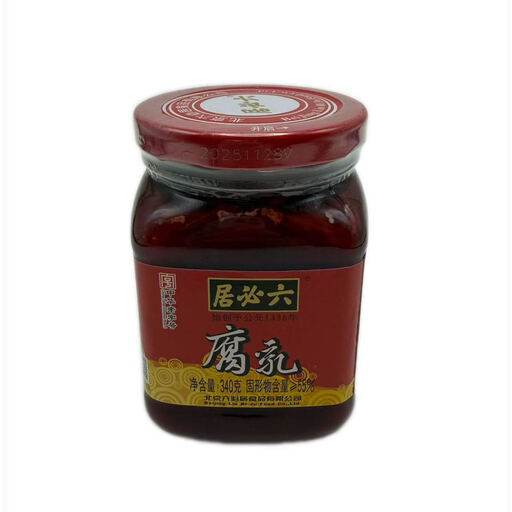
Liu Bi Ju Fermented Bean Curd 340g
Why This Fits Their Persona: This product from a time-honoured brand ("China Time-honored Brand") offers a classic, balanced flavour profile without any extreme notes. It's an ideal starting point for learning how to use white fermented tofu in various dishes.
It bypasses the pitfall of misleading labelling by being a straightforward, traditional product with no hidden flavours. Its creamy texture is versatile.
Authentic, mild umami flavour; creamy consistency that dissolves well into sauces.
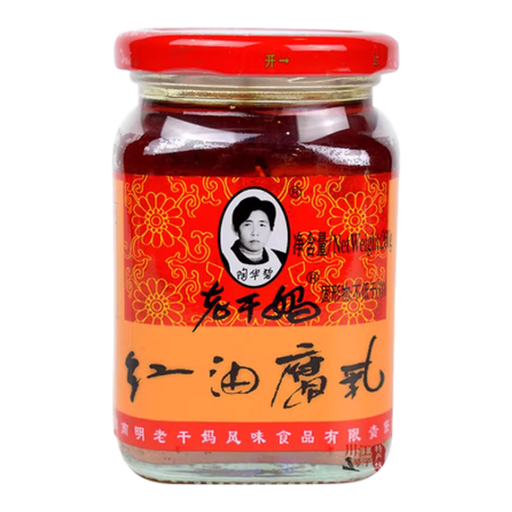
Lao Gan Ma Red Oil Fermented Bean Curd 260g
Why This Fits Their Persona: For anyone who likes it bold and spicy. The Lao Gan Ma brand is a guarantee of intense chilli flavour. This product combines the salty umami of the tofu with the brand's famous chilli oil aroma—ideal for hot pot dips or for seasoning stir-fries.
It solves the problem of vague spiciness claims, as the brand is known for a specific, robust chilli profile. You get exactly the intensity you expect.
Combination of creamy tofu and spicy chilli oil; great depth of flavour for spicy dishes.
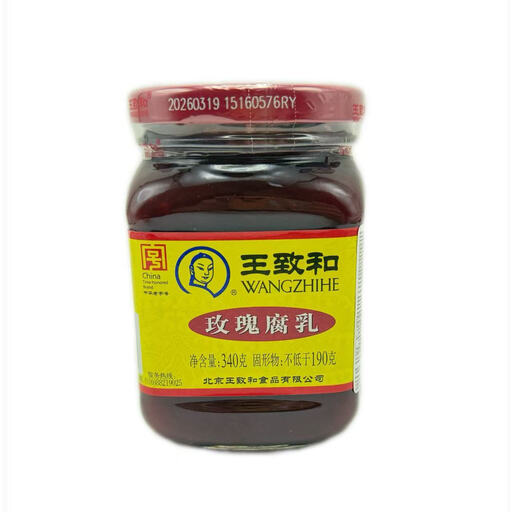
Wang Zhi He Rose Bean Curd 340g
Why This Fits Their Persona: Those looking for a new flavour experience will find an exciting option here. The addition of rose essence lends a subtle, floral note to the salty umami taste. This opens up new possibilities for marinades or braised dishes.
This product escapes the trap of generic flavour by offering a very specific and clearly declared flavour profile (rose). It's a deliberate choice for a special result.
Unique, floral aroma; adds unexpected complexity to dishes; from an established brand.
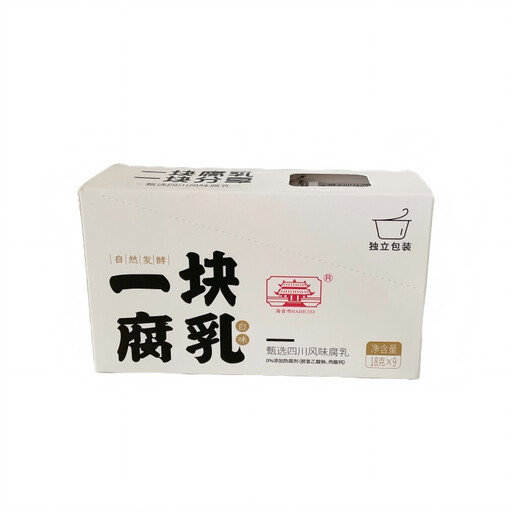
HAIHUISI Fermented Tofu with Sweetener (Plain) 9 x 18 g
Why This Fits Their Persona: For users who value convenience, hygiene, and minimal waste. The individually wrapped portions are perfect for occasional use, ensuring a large jar doesn't lose its freshness in the fridge.
It solves the problem of shelf life after opening. Each portion is fresh and hygienic, avoiding the pitfall of leftovers in a jar going bad.
Individually wrapped portions for maximum freshness and easy handling; ideal for occasional use.
Looking for more options?
We have compiled a complete, up-to-date list of products that meet these strict selection criteria.
Frequently Asked Questions (FAQ)
1. How long does fermented tofu last after opening? Once opened, the jar should be tightly sealed and stored in the refrigerator. Typically, the contents will last for several months. It's important to ensure the tofu cubes are always covered by the brine to maintain freshness. A slight darkening of the colour is normal. As long as the product smells normal and shows no signs of mould, it is usually still safe to eat. Always refer to the manufacturer's specific instructions on the packaging.
2. Is fermented tofu the same as stinky tofu? No. Although both products are made through fermentation, they are different specialties. The common pickled tofu in a jar (doufu ru) has a salty, savoury flavour often described as cheese-like. "Stinky tofu" (chòu dòufu), on the other hand, is fermented in a special brine that gives it an extremely strong, pungent aroma. It is usually sold fresh at street food stalls, either deep-fried or boiled, and is rarely found in the jarred variety.
3. Can I eat fermented tofu as a main course? Due to its very intense and salty flavour, fermented tofu is typically not eaten as a main course but is used as tofu as a condiment or as a small side dish. Even a small amount—often just half or a whole cube—is enough to add a deep umami note to a bowl of rice, congee (rice porridge), or a vegetable stir-fry.