
Buyers Guide to Fabric Under-Bed Storage Drawers
By the Joybuy Product Recommendation Officer Published July 28, 2026
The space under the bed is an often-overlooked resource in many homes. A fabric under-bed storage chest seems like the ideal solution for stowing seasonal clothing, blankets, or bedding in a dust-free, space-saving manner. However, the market is flooded with products of widely varying quality. Many buyers only realise months later that their purchase was a mistake. This guide will help you identify the crucial features and avoid products that don't live up to their promises.
The most common problems with low-quality models are easy to spot:
- Faulty Zippers: A zipper that jams or breaks renders the entire storage bag useless. Often, the teeth are too fine, or the slider material is too soft and bends easily.
- Tearing Fabric: Many cheap bags are made from a very thin non-woven fabric that rips at the seams or corners upon the first use. This means it can no longer provide genuine dust protection for blankets and clothes.
- Flimsy Handles: A fully loaded under-bed bag with handles is pulled out from under the bed. If the handles are only superficially stitched on, they will tear away from the fabric under the first strain, irreparably damaging the bag.
To avoid these disappointments, it's essential to look for a few fundamental quality features before buying.
What to Look For When Making Your Selection
Functional under-bed clothes storage depends on a few, but critical, product features. Instead of being swayed by marketing promises, you should check the following parameters.
1. Material and Craftsmanship
The material determines the durability and protective function of the under-bed storage chest. The most common materials are non-woven fabric and PEVA.
- Non-Woven Fabric: This material is breathable, which can prevent mildew on textiles. Pay attention to the material thickness, often indicated in grams per square meter (g/m?). A value over 80 g/m? suggests more robust quality. The seams should be double-stitched or reinforced with an additional strip of fabric.
- PEVA (Polyethylene Vinyl Acetate): Unlike non-woven fabric, this material is often water-repellent and offers better protection against moisture and pests. It's ideal for storage in a basement or attic. Since it is not breathable, textiles should only be stored when completely dry.
2. Zipper and Handles
These two components are the most common weak points. A good collapsible box with a zipper will have a sturdy two-way zipper with large, easy-to-grip pulls. Check that the handles are not just sewn onto the fabric but are stitched through or attached to a reinforced area. This distributes the weight more effectively and prevents tearing.
3. Dimensions and Structure
Measure the available space under your bed carefully—especially the height. Many beds only offer 15-20 cm of clearance. Choose a bag that is slightly lower than the available space to make it easy to pull out. Some models have reinforced side walls or an insertable base, which gives them more stability and makes stacking easier. A transparent viewing window is a practical extra for identifying the contents without having to open the bag.
Our Picks for Different Needs
Based on these criteria, we have identified several products suitable for different user profiles and requirements.
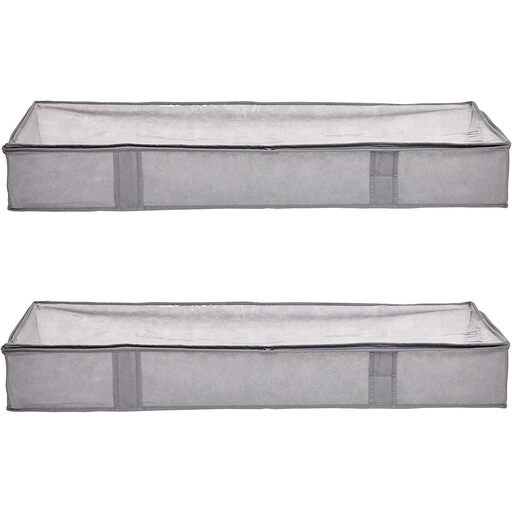
ANQI Under Bed Fabric Zipper Blanket Storage Container Bags, 2-Pack
Why This Fits Their Persona: Ideal for students or a first apartment, when a simple and cost-effective solution is needed for storing seasonal items like winter blankets or thick sweaters. The 2-pack offers excellent value for money to get started.
According to the manufacturer, the product features reinforced seams and sturdy zippers. This directly addresses the most common weaknesses of cheaper alternatives and reduces the risk of rapid wear and tear.
Generous dimensions (approx. 106 x 45 x 15 cm) make efficient use of the space under the bed. Integrated handles facilitate easy retrieval and transport.
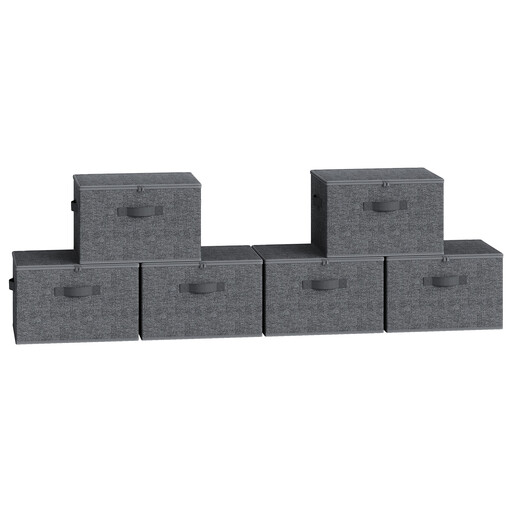
Ochama Foldable Storage Boxes, Set of 6
Why This Fits Their Persona: For those looking for a versatile solution for organising the entire home. This set is suitable not only for under the bed but also for wardrobes, shelves, or a child's room to categorise various items.
The boxes are reinforced with 2 mm thick cardboard, giving them a stable, stackable shape—a clear advantage over shapeless fabric bags. The zippered lid provides reliable dust protection.
Collapsible design for space-saving storage when not in use. Three handles (one in front, two on the sides) allow for flexible access and easy transport.
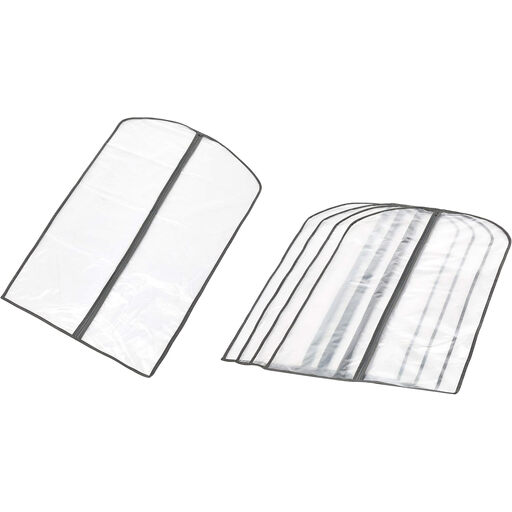
ANQI Zippered PEVA Storage Bag, 5-Pack
Why This Fits Their Persona: Suitable for storing more delicate textiles that need protection from moisture, such as wool coats, duvets, or suits. Ideal for use in basements or attics with fluctuating humidity.
The PEVA material, which the manufacturer states is water-repellent, provides a higher barrier against moisture and dust than standard non-woven fabric. The full-length zipper ensures a secure seal.
The transparent material allows for quick identification of the contents without opening the bag. The 5-pack offers a versatile solution for various garments and items.
Looking for More Options?
We have compiled a complete, up-to-date list of products that meet these strict selection criteria and applicable regulations.
Frequently Asked Questions (FAQ)
How do I prevent mould in a fabric under-bed storage chest?
Only store completely dry clothing and textiles. Ensure adequate air circulation under the bed by not filling the entire space without gaps. For storage in damp environments like basements, models made of water-repellent material like PEVA are a safer choice.
What is the difference between PEVA and non-woven fabric?
PEVA is a plastic (polyethylene vinyl acetate) that is typically water-repellent and non-porous. It offers high protection against external moisture and dust. Non-woven fabric is a textile material that is breathable. This property helps moisture escape from the stored textiles but offers less protection against external dampness.
Can these storage bags be stacked?
That depends on their construction. Flexible fabric bags without internal reinforcement should not be stacked, as they cannot support the weight and the contents will be crushed. Sturdy collapsible boxes with reinforced side walls or a solid frame can usually be stacked without issue, as long as the maximum load weight specified by the manufacturer is not exceeded.