
Electric Toothbrush Buying Guide and Model Recommendations
Choosing the right electric toothbrush can be a challenge given the wide variety of technologies and features available. Modern devices offer much more than just an automated brushing motion; they integrate sensors, app connectivity, and specialised programs to optimise your daily oral hygiene. This guide will help you understand the technical differences and make an informed decision tailored to your individual needs.
As your Joybuy Product Recommendation Officer, I have analysed the relevant product information and features to provide you with an objective overview of some of the models available on the market.
What to Look for When Choosing an Electric Toothbrush?
Before you decide on a model, several core features should be considered. These criteria will help you objectively evaluate a toothbrush's functionality.
1. Cleaning Technology: Sonic vs. Oscillating-Rotating
The most fundamental distinction between electric toothbrushes lies in their brush head movement.
- Sonic toothbrushes: Models like those from Philips Sonicare use an elongated brush head that vibrates at a high frequency (up to 62,000 brush movements per minute). These vibrations create a dynamic fluid action that also reaches into the spaces between teeth. This technology is often perceived as being gentle on the gums.
- Oscillating-rotating toothbrushes: Brands like Oral-B use round brush heads that move back and forth rapidly (oscillate) while also pulsating. This mechanical cleaning action is designed to remove plaque from each individual tooth. The Oral-B iO series combines this movement with gentle micro-vibrations.
2. Smart Features: Pressure Control and App Connectivity
Modern devices offer support to ensure correct brushing technique.
- An electric toothbrush with pressure control is a standard feature in many high-end models. A sensor warns you with a visual signal (e.g., a light ring) or a vibration if you apply too much pressure to your teeth and gums. This helps prevent gum damage.
- An electric toothbrush with an app connects to your smartphone via Bluetooth. The app provides real-time feedback on your brushing technique, tracks which areas of your mouth have already been cleaned, and creates progress reports. This can be particularly motivating for tech-savvy users who want to optimise their routine with data-driven insights.
3. Cleaning Modes and Special Features
Many models offer various brushing modes for specific needs. Common programs include "Clean" (standard cleaning), "Sensitive" (gentle cleaning), "Gum Care" (gum massage), and "White" or "Polish". A toothbrush for whiter teeth typically features a special program that, in combination with a suitable brush head, aims to remove surface stains more effectively.
Our Recommended Product Picks
Here is a selection of models that cover different technologies and feature sets.
Philips Sonicare DiamondClean 9000
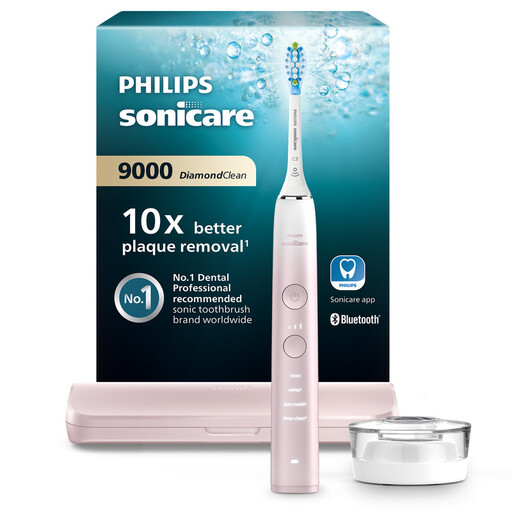
Why it stands out: The DiamondClean 9000 combines Philips' proven sonic technology with smart features in an elegant design. It is aimed at users who value effective cleaning, teeth whitening, and personalised coaching.
Benefits:
- Cleaning Technology: Sonic toothbrush with up to 62,000 brush movements per minute.
- Brushing Modes: Four modes (Clean, White+, Gum Health, Deep Clean+) and three intensity levels for individual customisation.
- Smart Features: Integrated pressure control and connection to the Sonicare app for personalised progress reports.
- BrushSync Technology: The brush head automatically syncs with the appropriate brushing mode (e.g., White+).
- Manufacturer's claim: According to Philips, the model removes up to 10 times more plaque than a manual toothbrush and can reduce surface stains.
Who is it for? For users seeking a high-performance sonic toothbrush with a focus on whitening and app support, and who are willing to invest in a premium model.
Oral-B iO Series 10
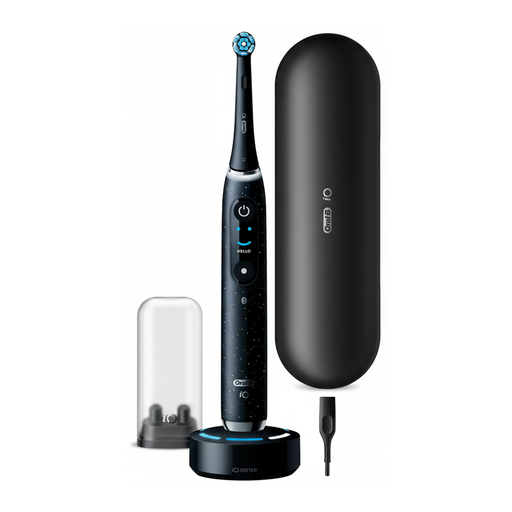
Why it stands out: The Oral-B iO 10 represents Oral-B's most advanced technology. Its standout feature is the iO Sense charging station, which displays real-time feedback on brushing behaviour directly, without needing to open the app.
Benefits:
- Cleaning Technology: Magnetic iO technology with gentle micro-vibrations and an oscillating-rotating brush head.
- Real-time Feedback: The iO Sense charging station provides live tracking of brushing time, coverage, and pressure control.
- 3D Teeth Tracking: AI-powered position detection monitors the cleaning of 16 zones in your mouth via the app.
- Brushing Modes: Seven smart modes for different needs, including Daily Clean, Sensitive, Gum Care, and Whitening.
- Manufacturer's claim: According to Oral-B, the toothbrush removes up to 100% more plaque than a manual toothbrush.
Who is it for? For tech enthusiasts who want the ultimate in guided cleaning and data-driven feedback, and who seek comprehensive control over their oral hygiene.
Philips Electric Toothbrush Series 4100
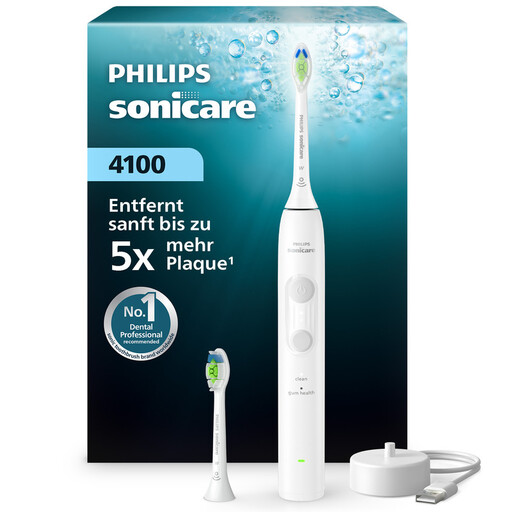
Why it stands out: The Series 4100 focuses on the essential features of a high-quality electric toothbrush. It offers solid cleaning performance and key protective functions at a more accessible price point.
Benefits:
- Cleaning Technology: Sonic technology with up to 31,000 brush movements per minute.
- Essential Features: An integrated pressure control with haptic feedback and a 2-minute timer with 30-second intervals (BrushPacer).
- Battery Life: Up to 21 days of use on a full charge.
- Easy-Start Program: The brushing intensity gradually increases over the first 14 uses to ease the transition from a manual toothbrush.
- Manufacturer's claim: According to Philips, this model removes up to 5 times more plaque than a manual toothbrush.
Who is it for? For newcomers to the world of electric toothbrushes or for users looking for a reliable toothbrush with the most important core functions, without complex app integration.
Discover More Options
The models presented here already cover a broad spectrum of needs. However, if you haven't found the right device for you yet, or if you'd like to compare more models and brands, you can find more alternatives in our comprehensive category.
Discover the entire selection of electric brush.
Frequently Asked Questions (FAQ)
1. Sonic or rotating toothbrush – what's the difference? A sonic toothbrush (e.g., Philips Sonicare) has an elongated brush head that vibrates at a high frequency, creating a fluid action that also cleans hard-to-reach areas. An oscillating-rotating toothbrush (e.g., Oral-B) uses a round brush head that mechanically moves back and forth to polish plaque from the tooth surface. The choice often depends on personal preference and gum sensitivity.
2. How often should you change the brush head of an electric toothbrush? Most manufacturers and dentists recommend changing the brush head every three months. Many modern brush heads feature indicator bristles that fade over time to remind you when it's time for a replacement. Regular replacement is important to ensure optimal cleaning performance and hygiene.
3. Is an electric toothbrush with an app really useful? The usefulness of app connectivity is subjective. For individuals who want to improve their habits and ensure they are brushing all areas of their mouth evenly and with the right pressure, the real-time feedback can be very motivating and helpful. For other users who prefer a straightforward routine, basic features like pressure control and a timer may be sufficient.