
The Electric Toothbrush Buyer's Guide
Finding the right electric toothbrush can quickly become overwhelming. The market is flooded with models that advertise a vast array of features and technologies. However, not every innovation adds real value to your daily oral hygiene routine. Exaggerated marketing claims often lead to buyer's remorse. This guide will help you identify the essential features and avoid common pitfalls.
Common Pitfalls When Buying an Electric Toothbrush:
- The Myth of "Smart" Features: Many premium models advertise app connectivity, position detection, and personalised coaching. In practice, many users stop using these features after a short time, but the high initial cost remains.
- Misleading Battery Life Claims: An advertised battery life of several weeks or months is often based on minimal use (e.g., one cleaning mode, once a day). With regular use and more intensive modes, the actual battery life can be significantly shorter.
- Unforeseen Running Costs: The price of the toothbrush is only part of the investment. Proprietary and expensive replacement brush heads can unexpectedly drive up the long-term costs over the years.
What Really Matters: The Decisive Features of an Electric Toothbrush
To make an informed decision, you should focus on the core features that have a direct impact on cleaning performance and dental health.
Cleaning Technology: Sonic vs. Oscillating-Rotating
The two dominant technologies on the market are sonic and oscillating-rotating.
- Sonic Toothbrush: These models have an elongated brush head, similar in appearance to a manual toothbrush. It generates tens of thousands of vibrations per minute, creating a dynamic fluid action in the mouth that is designed to clean even hard-to-reach interdental spaces.
- Oscillating-Rotating Toothbrush: Popularised by the Oral-B electric toothbrush, these models use a small, round brush head. It oscillates and rotates at a high frequency, surrounding each tooth individually to mechanically remove plaque. The newer Oral-B iO models combine this rotation with gentle micro-vibrations.
The choice between these systems is often a matter of personal preference. When used correctly, both technologies can achieve a significantly more thorough clean than a manual toothbrush.
Battery Life: What Long Runtimes Mean in Practice
An electric toothbrush with long battery life is particularly advantageous for frequent travellers or those who don't want to keep a charger permanently in the bathroom. Look for specific claims in days or weeks based on twice-daily use. Models with USB charging are especially practical as an electric travel toothbrush, as they can be easily charged on the go with a power bank or laptop. A battery life of over four weeks is considered very convenient.
Important Protective Features: Pressure Sensor and Timer
Two features are indispensable for safe and effective use:
- Toothbrush with Pressure Sensor: Brushing with too much pressure can damage your gums and tooth enamel. A visual pressure sensor warns you with a light signal (often red) when you are pressing too hard. This is one of the most useful features for preventing gum recession.
- 2-Minute Timer: Dentists recommend a brushing time of two minutes. An integrated timer, which often signals you to switch to the next quadrant of your mouth every 30 seconds with a short vibration, helps you consistently adhere to this recommendation.
Our Recommended Picks
Based on the criteria above, we have compiled a selection of models suitable for different needs and budgets.
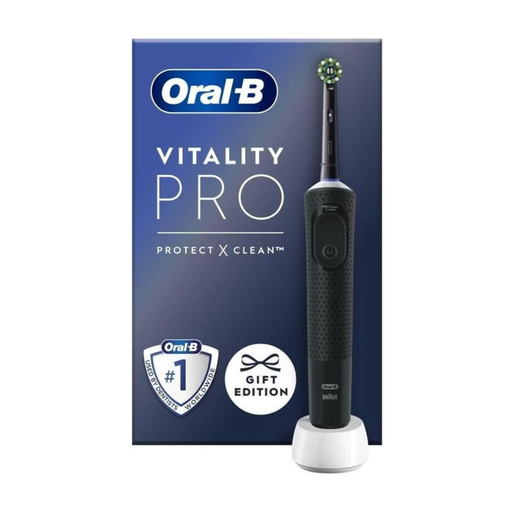
Oral-B D103 Vitality Pro Electric Toothbrush
Why This Fits Their Persona: Ideal for users switching from a manual toothbrush who want reliable cleaning performance without unnecessary extras. It offers the most important features at an accessible price.
This model intentionally forgoes expensive app features, focusing on the essentials. The running costs for brush heads are manageable thanks to the wide availability of Oral-B replacement heads.
With 3 brushing modes (Daily Clean, Sensitive, Whitening) and a pressure sensor, it offers more than just the basics and actively protects the gums.
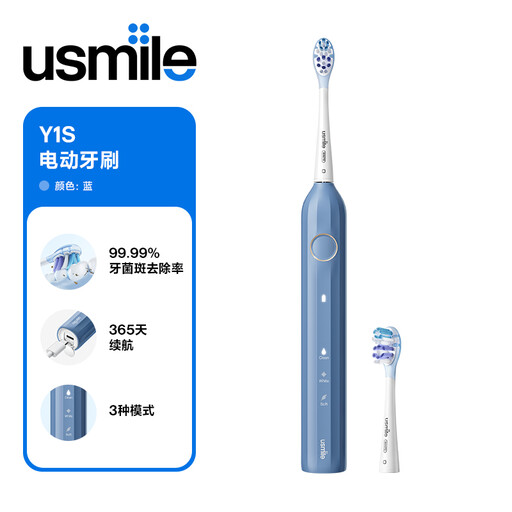
usmile Y1S Electric Toothbrush, Sonic Rechargeable Toothbrush
Why This Fits Their Persona: Perfect for people who are always on the go and don't want to deal with daily charging. The included travel case and extremely long battery life make it the ideal companion.
This model solves the problem of misleading battery claims by offering a real-world runtime of up to 6 months on a single charge. This is a genuine, measurable advantage, not an empty marketing slogan.
The combination of sonic technology, 3 brushing modes, and an exceptionally long battery life makes it extremely practical and versatile for daily use and travel.
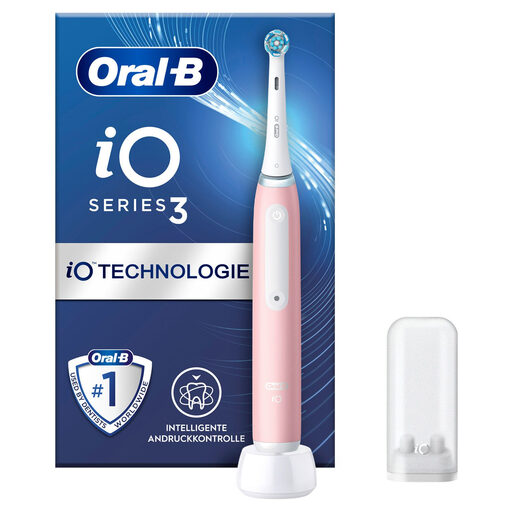
Oral-B iO 3N Electric Toothbrush
Why This Fits Their Persona: For users who value modern technology that offers a tangible benefit. The iO technology with micro-vibrations provides a gentle yet thorough cleaning experience.
Unlike passive tracking apps, the iO 3N's smart pressure sensor provides active, visual feedback (green, white, red). This feature is genuinely useful in daily practice and helps to permanently improve brushing technique.
The combination of the round Oral-B brush head and gentle micro-vibrations ensures effective cleaning along the gumline. The 3 brushing modes allow for customisation to individual needs.
Looking for more options?
We have compiled a complete, up-to-date list of products that fully meet these strict selection criteria and the highest safety standards.
Frequently Asked Questions (FAQ)
How often should you replace the brush head on an electric toothbrush?
Most manufacturers recommend changing the brush head every three months. Many brush heads, like those from Oral-B, feature indicator bristles that fade in colour to signal the optimal time for a replacement. Regular replacement is important, as worn-out bristles significantly reduce cleaning performance.
Can I use an electric toothbrush with sensitive gums?
Yes, electric toothbrushes are often even beneficial for sensitive gums. Look for a model with a dedicated Sensitive mode and a pressure sensor. This combination ensures that the cleaning is gentle and performed with the correct pressure to avoid irritation. A water flosser can also be a gentle option for cleaning between the teeth.
Is a sonic or an oscillating toothbrush better?
There is no one-size-fits-all answer to this question, as both technologies are highly effective. The decision depends on personal preference. Some users prefer the vibrating sensation of a sonic toothbrush, while others find the tooth-by-tooth cleaning of a round, oscillating brush head to feel more thorough. Many user reviews, found by searching for terms like electric toothbrush review, show that correct usage is more important than the technology itself.