
Digital Torque Wrenches: Technical Selection Criteria for 2026
The precise application of torque is a fundamental requirement in modern automotive and two-wheeler engineering. Correct preload force in bolted connections is crucial for the safety, functionality, and longevity of components. A digital torque wrench, also known as an electronic torque wrench, offers superior measurement accuracy and advanced functionalities compared to mechanical versions. This article analyses the technical parameters to consider when selecting such a precision instrument.
Buyer's Guide: What to Look for in a Digital Torque Wrench
Selecting the right tool depends on a thorough analysis of your specific application needs. The following criteria are essential for making an informed decision.
1. Drive Size (Square)
The drive size determines compatibility with your existing sockets. Common sizes are optimised for different fields of application:
- 1/4-Inch Drive Torque Wrench: This size is designed for low-torque applications. Typical use cases include bicycle maintenance (e.g., stems, seat posts) or work on delicate motorcycle and car components (e.g., trim pieces, sensors).
- 3/8-Inch Drive Torque Wrench: This drive size is a versatile middle ground, covering a broad mid-range of torque values. It is suitable for many tasks on a motorcycle torque wrench (e.g., brake components, engine covers) and for various fasteners on cars.
- 1/2-Inch Drive Torque Wrench: For high-torque applications, the 1/2-inch drive is the industry standard. It is the primary choice for a car torque wrench, especially for seasonal tyre changes, suspension work, or brake system maintenance.
2. Torque Range
Every digital torque wrench is designed for a specific torque range, measured in Newton-metres (Nm). It is essential that the tightening torques specified by the vehicle manufacturer fall within this range. For best results, a tool should ideally be used within the middle third of its measurement range, as this is where accuracy tends to be highest.
3. Measurement Accuracy
Accuracy is expressed as a percentage deviation from the set value. High precision is particularly important for safety-critical or sensitive components, such as cylinder head bolts or the carbon parts on a bicycle torque wrench. Common tolerances range from ±2% to ±4%. Models with a certified accuracy of ±2% provide a reliable foundation for professional applications.
4. Features and Operation
Modern electronic torque wrenches offer various additional features that streamline the workflow:
- Alerts: To indicate that the target torque has been reached, multiple signals are often combined. A combination of an audible signal (beep), a visual indicator (LED light), and haptic feedback (vibration) ensures the target value is reliably detected, even in noisy or poorly lit workshops.
- Operating Modes: Standard modes include Peak Mode, which records the maximum torque value achieved, and Track Mode, which displays the currently applied torque in real time.
- Memory Function: The ability to save frequently used torque values as presets can significantly increase efficiency for repetitive tasks. Some models also offer internal memory for logging recent measurements.
- Unit Conversion: Easy switching between different units (e.g., Nm, ft.lb, in.lb, kg.cm) is advantageous when working on vehicles from various manufacturers.
Our Selection of Digital Torque Wrenches
Based on the technical criteria mentioned above, here is a selection of models with different specifications.
Movecrab Professional Digital Torque Wrench, 1/4" Drive, 0.6-12N.m
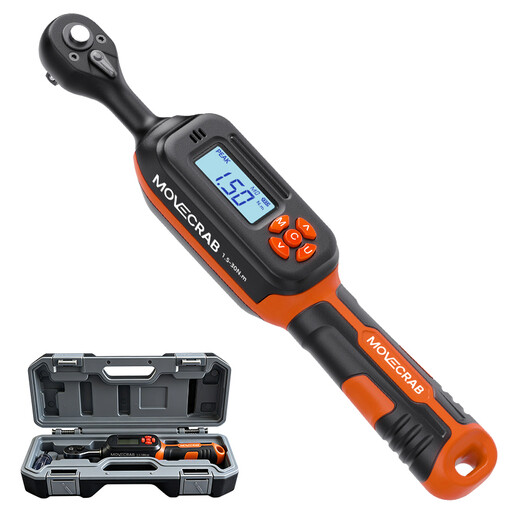
Why we recommend this product This model is designed for precision work in the low-torque range. Its combination of a triple-alarm system (vibration, sound, LED) and a measurement accuracy of ±2% (clockwise) ensures controlled force application. The ability to set 10 presets and store data for 500 measurements in Peak Mode supports repetitive tasks and those requiring documentation.
Pros
- Torque Range: 0.6–12 Nm
- Drive: 1/4-inch
- Accuracy: ±2% (clockwise)
- Alerts: Vibration, audible signal, and LED indicator
- Features: Peak/Track Mode, 10 presets, 500 data memory slots
Who it's for Ideal for bicycle mechanics, motorcycle workshops, and DIY enthusiasts working on carbon components, small engine covers, or other sensitive fasteners.
Movecrab Professional Digital Torque Wrench, 3/8" Drive, 4.2-85N.m
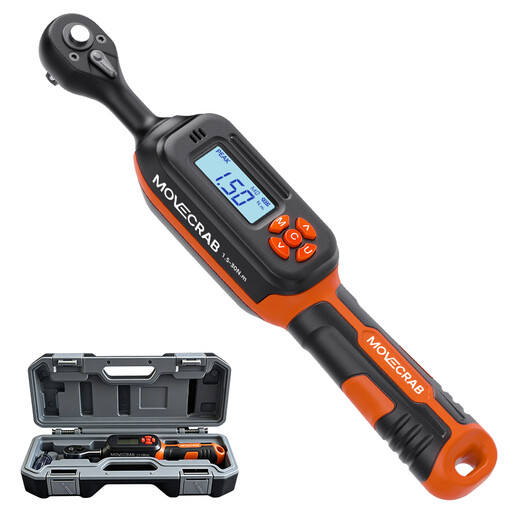
Why we recommend this product With its wide torque range, this 3/8-inch model covers a multitude of applications on motorcycles and cars. It shares the same core features as the 1/4-inch model, including the triple-alarm system and ±2% accuracy. The ergonomically designed handle is built for extended use and secure handling.
Pros
- Torque Range: 4.2–85 Nm
- Drive: 3/8-inch
- Accuracy: ±2% (clockwise)
- Alerts: Vibration, audible signal, and LED indicator
- Features: Peak/Track Mode, 10 presets, 500 data memory slots
Who it's for A versatile tool for professional motorcycle mechanics and ambitious automotive enthusiasts working on brake systems, engine components, or suspension parts.
Movecrab Professional Digital Torque Wrench, 1/2" Drive, 17-340 N.m
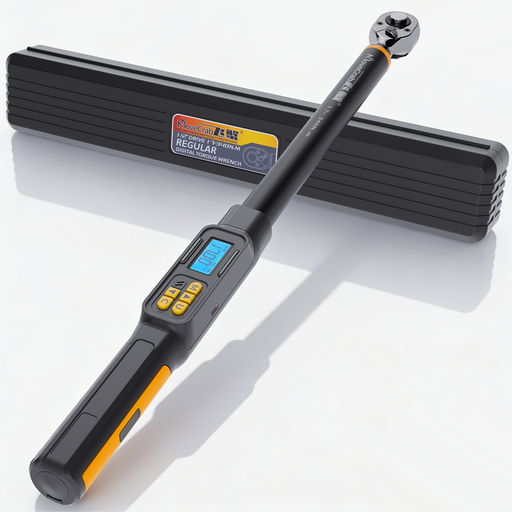
Why we recommend this product This model is engineered for high-torque applications, making it the primary tool for demanding automotive jobs. Its range of up to 340 Nm covers virtually all common fasteners on car suspensions, wheel nuts, and larger engine components. The ±2% accuracy and triple-alarm system ensure process-safe tightening.
Pros
- Torque Range: 17–340 Nm
- Drive: 1/2-inch
- Accuracy: ±2% (clockwise)
- Alerts: Vibration, audible signal, and LED indicator
- Features: Peak/Track Mode, 10 presets, 500 data memory slots
Who it's for Essential for automotive workshops and DIYers who regularly perform tyre changes or work on suspension, axles, and engines.
Haven't Found the Right Tool?
For specific requirements or different types of tools, it's worth exploring our wider selection. Discover more precision instruments in our Tools & Knives category.
Frequently Asked Questions (FAQ)
1. What is the difference between a digital and a mechanical torque wrench? The main difference lies in the measurement technology and display. A mechanical torque wrench uses a spring and a scale (click-type or break-over). A digital torque wrench uses a strain gauge sensor and displays the exact value on an LCD screen. This typically results in higher accuracy and enables additional features like multiple units, modes, and alerts.
2. Which torque wrench should I use for changing car tyres? A 1/2-inch drive torque wrench is recommended for changing tyres on a passenger car. The required torque range is typically between 110 Nm and 150 Nm, depending on the vehicle manufacturer. A model with a range of 17-340 Nm, for example, offers sufficient headroom and safely covers the necessary values.
3. How important is the calibration of an electronic torque wrench? Regular calibration is essential to permanently ensure the specified measurement accuracy. The frequency depends on the intensity of use and environmental conditions. Professional users in workshops often have their tools checked annually or after a certain number of load cycles by a certified service provider. The manufacturer's manual provides specific recommendations on this.