
Choosing the Right Decorative Vase
The selection of a decorative vase should be a deliberate choice, guided by an analysis of its material, form, and function. More than just a vessel for flowers, a vase acts as a standalone design element that can define the aesthetic of a room. Compatibility with your existing interior and its intended use are key parameters for an informed purchasing decision.
Buyer's Guide: What to Consider When Choosing a Decorative Vase
The technical specifications and material properties determine a vase's longevity and visual character. A well-informed choice takes the following criteria into account.
Material Analysis: Ceramic, Glass, and Metal
- Ceramic: This is an umbrella term for materials like earthenware, stoneware, and porcelain. A ceramic vase is notable for its versatility in shape and its textured surfaces. Glazed ceramic is waterproof and easy to maintain. Unglazed versions offer a matte, natural feel but are often only suitable for dried flowers or as purely decorative objects. Check the product description regarding its waterproof properties.
- Glass: Available in clear or coloured options, glass vases are characterized by their lightness and translucence. They are particularly well-suited for showcasing the stems of flowers. The wall thickness and the quality of the glass (e.g., crystal vs. recycled glass) are indicators of its sturdiness.
- Metal: Vases made of stainless steel, brass, or aluminium add modern and industrial accents. Surfaces can be polished, brushed, or powder-coated. Metal vases are typically very durable but, depending on the alloy, can be susceptible to oxidation if in constant contact with water.
Dimensions and Shape: The Right Size for Every Purpose
The dimensions of a vase should be proportionate to its placement and its contents.
- Large Vase: Models over 30 cm in height are suitable as floor vases or as a centrepiece on large tables and sideboards. They can hold voluminous bouquets or long branches.
- Small Vase: Compact vases are ideal for single stems, small bouquets, or as part of an arrangement on shelves, side tables, or a desk. A vase set of several small models offers flexible decorating options.
- Table Vase: Typically of medium height and designed with a wider opening to provide stable support for classic bouquets without obstructing the view across the table.
Design and Style: From Minimalist to Sculptural
The design should complement the existing living room decor or that of other spaces. A modern vase often features clean lines and geometric shapes. In contrast, a designer vase can take on an unconventional, sculptural form and function as an art object even without any contents.
Curated Picks for You
The following products have been selected based on their material specifications, design, and functional value.
1. Set of 3 Small Ceramic Vases in Beige
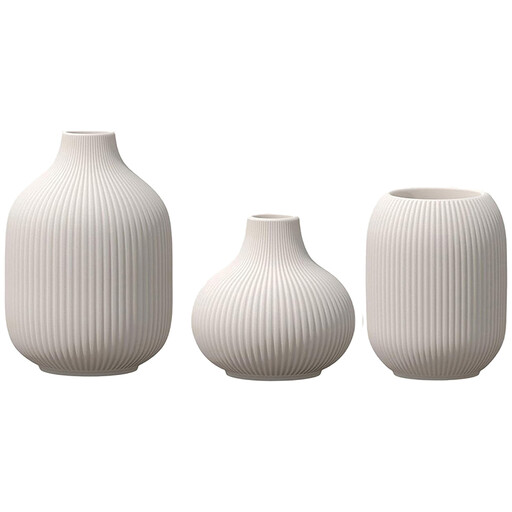
- Why We Recommend This Product: With three differently shaped yet stylistically coordinated vases, this set offers a high degree of decorative flexibility. Crafted from high-quality ceramic with a precise ribbed texture, the pieces have a subtle depth. The neutral beige colour scheme allows for seamless integration into various interior styles. According to the manufacturer, the set is produced in compliance with European quality standards.
- Pros:
- Flexible arrangement options, either as a group or individually.
- Timeless ribbed design for both modern and classic interiors.
- Compact dimensions (approx. 15 cm height) for versatile placement.
- Who It's For: Individuals looking for an understated and adaptable decorative solution for shelves, sideboards, or desks. Ideal for enthusiasts of minimalist style and for creating cohesive arrangements.
2. Large Designer Vase in Black and Gold, 35 cm
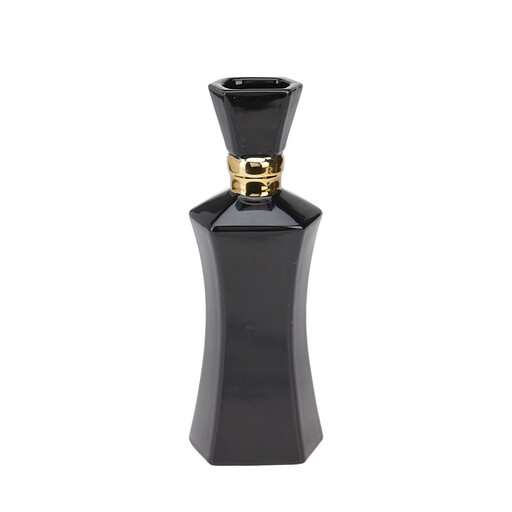
- Why We Recommend This Product: At 35 cm tall, this vase serves as a striking focal point. The contrast between the deep black body and the gold accents creates a visually sophisticated aesthetic. Designed as a statement piece, its size makes it suitable for use as a floor vase or on a console table.
- Pros:
- Significant height for a strong visual presence.
- Elegant black and gold colour scheme.
- Acts as a standalone decorative piece, even without flowers.
- Who It's For: Interior design enthusiasts seeking a central accent for their living or dining room. A perfect match for modern, glamorous, or Art Deco-inspired styles.
3. Atmosphera Yucatan Head-Shaped Ceramic Vase
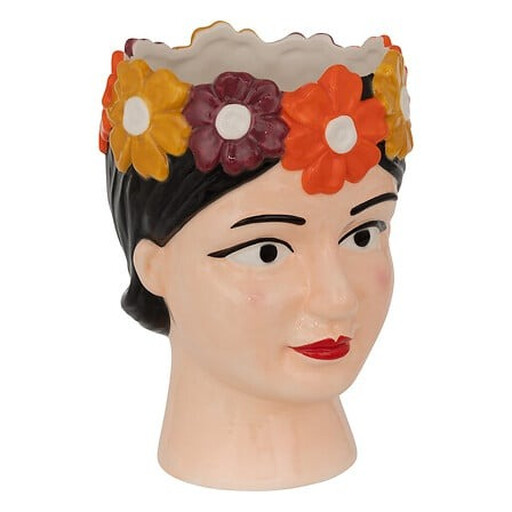
- Why We Recommend This Product: This model from French manufacturer JJA stands out with its sculptural design. Shaped like a woman's head, the vase is a true art object. Crafted from stoneware, it boasts a durable structure. At 18.2 cm tall, it is compact enough for shelves or side tables yet creates a strong, characteristic impact.
- Pros:
- Unconventional, artistic design.
- Durable material (stoneware).
- Can be used as a flower vase or as a standalone sculpture.
- Who It's For: Users seeking an extraordinary decorative element with a distinctive character. Ideal for eclectic or art-inspired living concepts.
Alternative Decor and Gift Ideas
If you are looking for other decorative elements or gift ideas beyond vases, our assortment offers a wide selection. For example, in the Scarf Accessories category, you will find high-quality textiles that can serve as stylish accents.
Frequently Asked Questions (FAQ)
1. How do you decorate a vase without flowers? A decorative vase can serve as a standalone object without any floral contents. Fill a glass vase with decorative sand, stones, or fairy lights. A designer vase with a sculptural shape often needs no additional filling. Single branches, dried grasses, or cotton stems are also a long-lasting alternative to fresh flowers.
2. What material is best for a vase intended to hold water? Glass, porcelain, and glazed stoneware are completely waterproof and therefore suitable for fresh flowers. For metal vases, the product description should indicate a water-resistant inner coating to prevent corrosion. Unglazed ceramic or terracotta are porous and can seep moisture, making them primarily intended for dry arrangements.
3. How do you combine multiple vases into a harmonious arrangement? For a cohesive vase set, it is recommended to group an odd number of items (e.g., three or five). Combine vases of different heights and shapes, but stick to a consistent colour palette or a single material. An arrangement of a tall, slender vase, a curvaceous medium-sized vase, and a small vase creates a dynamic and balanced look.