
Buying Curry Spices: How to Find Curry Powder, Spice Blends and Paste for Your Kitchen
A curry dish can come together with just a few ingredients – provided the curry spice you use is right for the recipe. However, many shoppers choose a product that looks similar but serves a different purpose. Curry powder, curry spice blends, Japanese curry roux and Thai curry paste are not interchangeable.
As a Joybuy Product Recommendation Officer, I look for clear information such as ingredients, heat level, pack size, allergens and preparation method when selecting products. This helps you avoid common buying mistakes.
Common pitfalls when buying curry spices
1. “Curry” does not always refer to the same type of product
Loose curry powder is generally used for frying, seasoning or marinating. A curry spice blend may also contain salt, sugar or bulking agents. Japanese curry often comes as a solid sauce block that melts in water and thickens the sauce. Thai curry paste, on the other hand, contains fresh or dried flavourings such as lemongrass, galangal, shallots and chilli.
So, if you want to cook a quick curry with rice, check the product format first: powder, paste, sauce block or ready meal.
2. Heat levels are not standardised
“Mild”, “Medium” and “Hot” are useful guides, but they are not standardised measurements. A hot curry spice can vary considerably depending on its chilli content, while a strongly flavoured blend may contain a lot of pepper instead. For children or those who are sensitive to heat, a mild curry spice with a lower chilli content is often more practical.
The ingredients list provides additional clues. If chilli appears near the top, you can expect more heat. Products containing pepper, mustard or ginger may also have a noticeable warming effect.
3. Smaller packs are not always the most economical choice
A 30- or 40-gram jar is suitable for occasional cooking and is usually easy to manage once opened. Those who use curry spices regularly may benefit from 100-gram packs or larger tubs of paste. What matters is whether the product can be sealed airtight and stored in a dry place after opening. Moisture causes spice powders to clump and lose their aroma.
Parameters to check before buying
Ingredients and your preferred style of cuisine
For an Indian curry spice, coriander, turmeric, cumin, fenugreek, chilli and pepper are often important. Madras curry powder is typically more strongly seasoned, while the “Hot” and “Mild” varieties mainly differ in their perceived heat level.
Japanese curry, on the other hand, is often prepared using a roux block. Alongside spices, it contains flour, fats, sugar and salt, and thickens the sauce as it dissolves. For Thai-style cooking, a curry paste with coconut milk, lemongrass and chilli is usually more suitable than a dry powder.
Allergens and additives
In Germany, allergens that must be declared by law have to be highlighted in the ingredients list. Commonly relevant allergens include gluten or wheat, mustard, celery, soya, milk, egg and crustaceans. Curry roux in particular may contain wheat flour, celery seeds and mustard. Thai pastes may contain soya or shrimp paste.
Salt and sugar levels also deserve attention. If salt appears in the ingredients list or the product has a comparatively high salt content, use it sparingly when seasoning the dish further.
Pack size and usage
For curry spices used with meat and vegetables, powders and dry blends are versatile. They work well with potatoes, rice, pulses, chicken or slow-cooked dishes. Pastes generally require oil and liquid, but quickly develop an intense flavour. Roux blocks are practical when you want a thickened sauce without making a separate flour-based roux.
Our selection by user profile
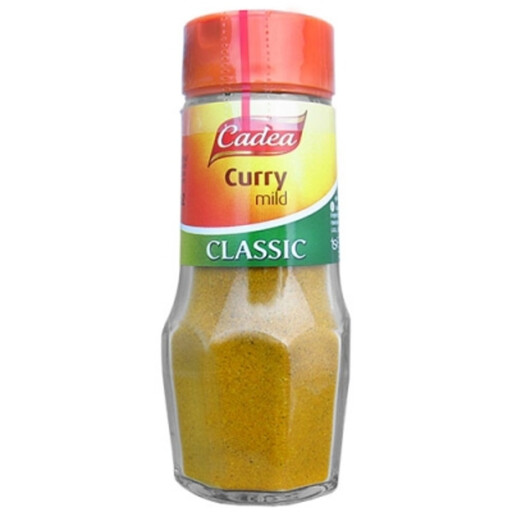
Cadea Mild Curry Powder 45g
Why this product suits this profile: The 45-gram jar with a shaker top is suitable for households that only occasionally add curry to rice dishes, soups, vegetables or chicken.
The mild designation makes it easier to control the quantity. The ingredients list includes turmeric, coriander, fenugreek, pepper and chilli.
45 g contents, shaker top and, according to the product information, no allergens requiring declaration.
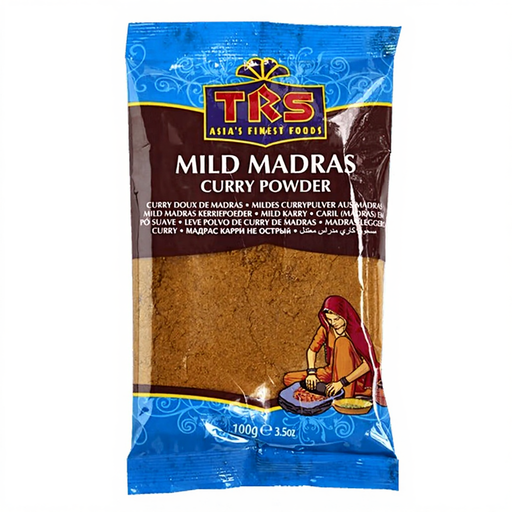
TRS Mild Madras Curry Powder 100g
Why this product suits this profile: The 100-gram pack is suitable for keen home cooks looking for a clearly labelled Indian curry spice for preparing dishes again and again.
This variety is explicitly labelled as mild. The ingredients list names coriander, turmeric, chilli, mustard and cumin.
100 g contents, origin listed as India, and versatile use with meat and vegetable dishes.
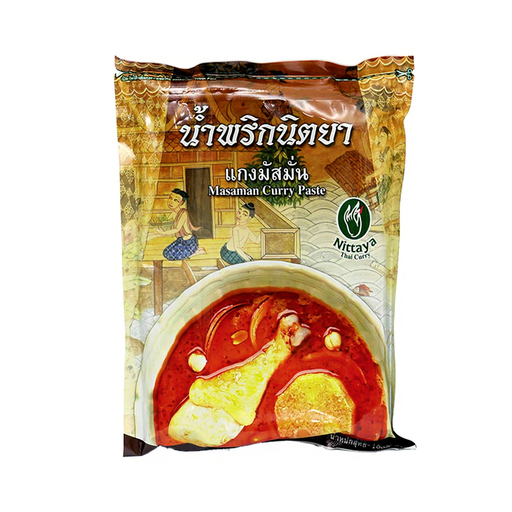
NITTAYA Massaman Curry Paste 1 kg
Why this product suits this profile: The 1-kilogram tub is aimed at frequent users, larger households or anyone who regularly prepares Thai curries and larger portions.
The paste is not mistaken for dry curry powder: it is fried in oil and then combined with coconut milk, meat, potatoes or onions.
Large tub, product origin Thailand, and ingredients such as lemongrass, galangal, cumin and cardamom; contains shrimp paste.
Looking for more options?
We have put together a complete, regularly updated list of products that fully meet these strict selection criteria and the safety regulations applicable in the EU.
How to store and measure curry spices correctly
Opened spices should be stored in a dry, cool and dark place. An airtight container protects against moisture and prevents the spices from absorbing aromas from their surroundings. Once opened, pastes often need to be stored in the fridge. Always follow the specific instructions on the packaging.
When cooking, it is best to start with a small amount. Powder often develops its flavour more effectively when briefly fried with onions and oil. If you are using a hot curry spice, increase the quantity gradually. Add salt or extra seasoning sauces afterwards to prevent the dish from becoming too salty.
Curry spice FAQs
Which curry spice is suitable for meat and vegetables?
A versatile curry spice blend containing coriander, turmeric and cumin works well with many vegetable, rice and meat dishes. For a thick Japanese sauce, curry roux is more suitable. Thai curries benefit from curry paste and coconut milk.
How long does curry powder keep?
The best-before date is printed on the packaging. When stored in a dry, airtight and dark place, curry powder usually remains usable until this date. Once opened, however, its aroma and flavour may gradually fade. Clumping, moisture or a noticeably changed aroma are signs that it should be replaced.
What is the difference between Madras curry powder and mild curry spice?
Madras blends often contain chilli, making them more strongly flavoured or hotter. The term “mild” indicates a gentler level of heat, but it is not regulated consistently. The ingredients list and recommended quantity can help you choose.