
Cooked Chestnuts: Avoiding Common Buying Pitfalls
By Joybuy Product Recommendation Officer, 28 July 2026
Cooked chestnuts are a popular choice for a convenient and nutritious snack. They are ready-to-eat, easy to carry, and offer a natural sweetness. However, not all products on the market live up to their claims. Many consumers find after purchase that the quality varies widely or that the ingredients list contains unwanted additives. This guide will help you identify the most common pitfalls and make an informed choice.
Common Pitfalls When Buying Pre-cooked Chestnuts
Before you decide on a product, you should be aware of three common issues that often lead to disappointment:
- Hidden Additives and Sugar: Many chestnut snacks marketed as "natural" contain added sugar, oils, or preservatives. These not only alter the nutritional value but also mask the chestnut's inherent flavour. A close look at the ingredients list is therefore essential.
- Inconsistent Texture and Freshness: The quality of vacuum-packed chestnuts can vary significantly. Some products are dry and hard, while others are mushy. The ideal consistency—soft, yet with a firm bite—is not always achieved, which detracts from the snacking experience.
- Misleading Packaging Claims: The packaging can make the product appear larger than its actual contents. Furthermore, it can sometimes give the impression of being pure chestnuts, even when fillers or other ingredients have been added, a fact only revealed in the fine print.
What to Look for When Making Your Selection
To ensure you get a high-quality product that meets your expectations, you should check three key parameters.
1. The Ingredients List: Less is More
The most revealing information about a chestnut snack is found on the ingredients list. Ideally, it should contain only one ingredient: chestnuts.
- Pure Chestnuts: Products declared as "100% Chestnuts" offer the unadulterated flavour and nutritional value of the fruit. They typically contain no added sugar, salt, or fats.
- Additives: If sugar, glucose syrup, vegetable oil, or preservatives are listed, it is a processed product with an altered nutritional profile. This is not inherently negative, but it should be a conscious choice.
- Organic Quality: If you value organic farming, look for products with a corresponding certification. Organic chestnuts are grown without the use of synthetic pesticides and fertilisers.
2. Processing Method: Roasted vs. Steamed
The preparation method has a significant impact on flavour and texture. Most ready-to-eat chestnuts are either roasted or steamed before being vacuum-sealed.
- Roasted Chestnuts: This process intensifies the nutty aroma and results in a slightly firmer texture. If you appreciate the classic taste of chestnuts roasted at a Christmas market, this is an excellent choice.
- Steamed Chestnuts: Steaming preserves moisture and results in a particularly soft, tender consistency. This variety is perfect as a snack on its own or as an ingredient in sweet and savoury dishes.
3. Packaging Type and Size
The packaging not only serves to protect the product but also provides clues about its intended use.
- Single Servings: Smaller packs (e.g., 60g to 100g) are ideal for on-the-go, at the office, or as a quick snack. Some products offer individually wrapped chestnuts within a larger bag, which preserves freshness after the main package has been opened.
- Larger Bulk Packs: Packs from 180g upwards are suitable for families or for when you plan to use the chestnuts in cooking and baking, for example, in stuffings, soups, or a chestnut bread.
Product Recommendations for Different User Profiles
Based on the criteria mentioned, we have compiled a selection of products for various needs.
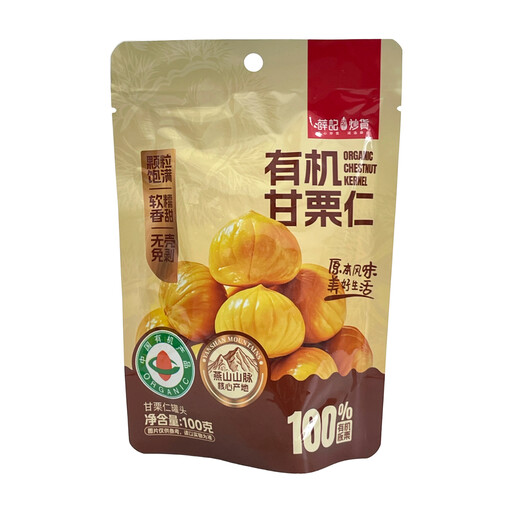
Xue Ji Organic Roasted Chestnut Kernels 100g
Why This Fits Their Persona: Ideal for anyone seeking a pure, unadulterated snack without compromise. The organic certification and short ingredients list meet the demands of a health-conscious diet.
This product completely bypasses the pitfall of hidden additives. The ingredients list consists solely of organic chestnut kernels, with no sugar, oil, or preservatives.
Certified organic and roasted for a natural, sweet flavour. The 100g pack is a convenient portion size.
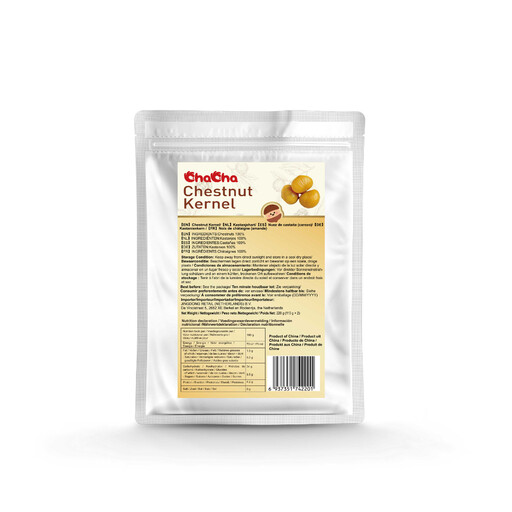
ChaCha Chestnut Kernels 220g
Why This Fits Their Persona: Perfect for households that need a larger supply. The division into two separate 110g pouches is ideal for maintaining freshness and sharing the snack with multiple people.
The separate inner packaging counteracts the problem of diminishing freshness and mushy texture after opening. This keeps the second portion fresh and tasty.
The 220g total quantity offers good value for money. The ingredients list is also puristic, with 100% chestnut kernels.
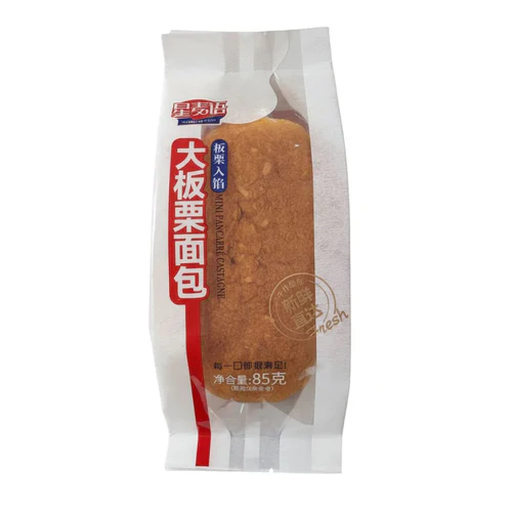
Xingmaiyu Chestnut Bread 85g
Why This Fits Their Persona: For those who want to enjoy chestnuts not just on their own, but as part of a more complex flavour experience. This pastry is a typical example of modern Asian snacks.
This product is clearly positioned as a pastry, not a pure chestnut snack. The ingredients list is transparent, so no false expectations are created.
The combination of soft bread, a filling with at least 15% chestnut content, and coconut flakes offers a varied texture and a rich flavour.
Looking for More Options?
We've compiled a complete, up-to-date list of products that fully meet these strict selection criteria and local regulations.
Frequently Asked Questions
1. How long do vacuum-packed chestnuts last?
Unopened, vacuum-packed chestnuts can typically be stored for several months at room temperature. The exact best-before date is indicated on the packaging. After opening, the chestnuts should be stored in an airtight container in the refrigerator and consumed within one to two days to maintain their freshness and texture.
2. Can you use cooked chestnuts for cooking?
Yes, absolutely. Ready-to-eat chestnuts are an excellent and time-saving ingredient for a variety of dishes. You can purée them to add to soups, chop them into stuffings for poultry, include them in stews, or use them in desserts and baked goods like cakes or chestnut bread.
3. What is the difference between sweet chestnuts and water chestnuts?
Although their names sound similar, they are two completely different plants. Sweet chestnuts (Maronen) are the nuts of a tree (genus Castanea). After cooking, they have a soft, mealy texture and a sweetish taste. Water chestnuts (genus Eleocharis) are the corms of an aquatic plant. They remain crisp even after cooking and have a mild, slightly sweet flavour. They are a popular ingredient in Asian cuisine, especially in stir-fries and fillings. A product like Asian Choice Water Chestnut 500g is intended for this purpose and should not be confused with sweet chestnuts.