
Contour Brush Buying Guide 2026: How to Find the Right Tool
A precisely applied contour powder can define your facial features and lend a professional depth to your makeup. However, the final result depends heavily on the tool you use. An unsuitable contour brush often leads to patchy, uneven results or wastes expensive product. Many users invest in brushes that quickly lose their quality or are ill-suited for their face shape and the products they use.
Before making a purchase, it's important to understand the common pitfalls that can lead to a bad buy:
- Scratchy Bristles and Shedding: A common problem with low-quality brushes is poorly made bristles that feel scratchy on the skin and begin to shed after just a few uses. This not only compromises application but can also irritate the skin.
- The Wrong Brush Shape: A brush that is too large or too loosely packed will pick up too much product and distribute it imprecisely, leading to a "muddy" effect. A shape that is unsuitable for its purpose makes targeted sculpting of facial contours nearly impossible.
- Lack of Compatibility with Product Textures: Many brushes are optimised for either powder or cream products exclusively. A brush that isn't versatile limits your creative options and requires you to purchase additional tools.
Key Quality Features for a High-Performance Contour Brush
To avoid these issues, you should check two key parameters before buying. These determine whether a makeup brush for contouring will perform with precision, last a long time, and suit your individual needs.
1. Brush Shape: Angled, Tapered, or Rounded?
The shape of the brush head is crucial for its functionality. Each shape is optimised for a specific technique and area of the face.
- Angled Brush: This is the classic shape for a brush for contour. The slanted cut fits perfectly into the hollows of the cheeks, allowing you to draw sharp, defined lines. It's excellent for sculpting the jawline and forehead.
- Tapered Brush: This shape offers maximum precision. The tapered bristles allow for targeted product application on smaller areas, like the sides of the nose or directly beneath the cheekbones. It's also ideal for applying highlighter precisely or setting powder under the eyes.
- Rounded, Dense Brush: A dense, rounded brush head is well-suited for gently blending out contour products and softening harsh edges. It can also be used as a bronzer brush to add a diffused warmth to the face rather than creating sharp shadows.
2. Bristle Material: Synthetic Fibres as the Modern Standard
While natural hair brushes were once considered the gold standard, technology has evolved. High-quality synthetic bristles are now superior in many respects.
- Performance with Different Textures: A good vegan makeup brush made from synthetic fibres absorbs less product than natural hair. This makes it the ideal choice for powder and cream as well as liquid formulas. The product is deposited onto the skin instead of disappearing into the brush.
- Durability and Hygiene: Synthetic bristles are more resilient and easier to clean. They are less prone to breakage and retain their shape even after frequent washing. They are also a hygienic option for sensitive skin types, as they don't contain allergens like natural hair can.
- Ethical Considerations: Synthetic brushes are cruelty-free and offer an ethically sound alternative without compromising on performance.
Our 2026 Picks for Different User Profiles
Based on these objective criteria, we have identified several products suited for different users and their specific requirements.
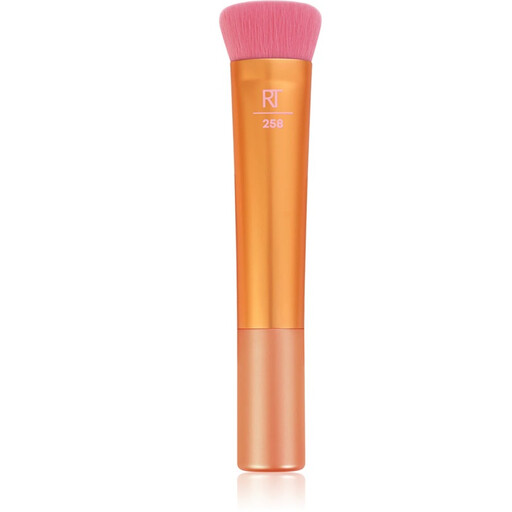
Real Techniques Hyperbrights Contour Brush – RT 258
Why This Fits Their Persona: Ideal for beginners looking for a straightforward brush for daily contouring. The specially curved brush head makes seamless blending and intuitive application along the facial contours easy.
The densely packed, ultra-soft synthetic bristles prevent scratching and shedding. The shape is an all-rounder, avoiding the pitfall of buying a brush that is too specialised or ill-suited.
Works with powder, cream, and liquid formulas, offering maximum versatility. The ergonomic handle ensures a controlled and comfortable application.
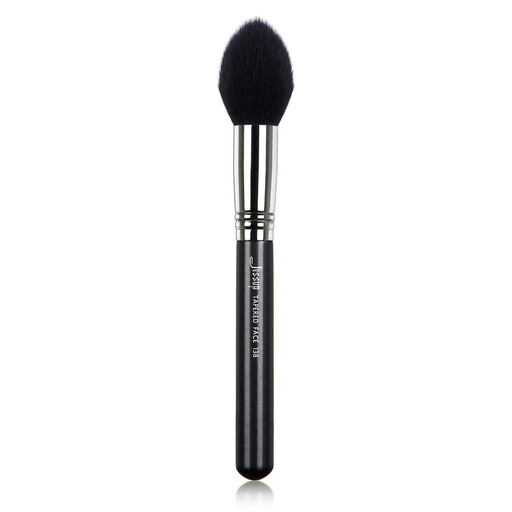
Jessup Tapered Face Contouring Brush 138
Why This Fits Their Persona: Perfect for makeup enthusiasts who want to sculpt their face with precision. The tapered shape allows for targeted placement of shadows, for instance, on the sides of the nose or for a very sharp cheekbone look.
This brush solves the problem of using the wrong shape for detail work. Instead of a broad, imprecise application, the tip allows for pinpoint product placement.
The tapered shape is versatile enough for contour, highlighter, or setting concealer. The synthetic bristles provide a soft application feel.
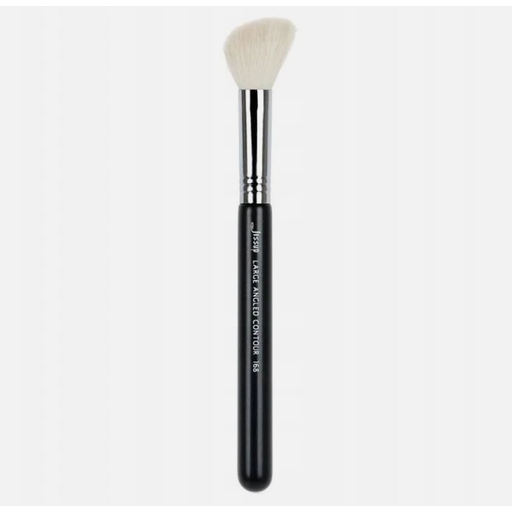
Jessup Large Angle Contour Brush 168 For Face Contouring
Why This Fits Their Persona: This classic, large, and angled brush is the ideal tool for anyone who primarily works with powder products like bronzer or contour powder. It allows for quick and broad application.
The fine synthetic bristles are specially designed to mimic the powder pickup of natural hair, ensuring strong colour payoff without wasting product.
The large brush head is also suitable for shading the neck and décolletage. The wooden handle and aluminium ferrule ensure a durable and stable construction.
Looking for More Options?
We have compiled a complete, real-time list of products that fully meet these strict selection criteria and safety standards.
Frequently Asked Questions (FAQ)
1. How do you clean a contour brush properly?
To ensure the longevity and hygiene of your brush, you should clean it regularly. Use a mild brush cleanser or a gentle soap and lukewarm water. Gently lather the bristles in the palm of your hand, rinse them thoroughly until the water runs clear, and gently squeeze out any excess water. Reshape the brush head to its original form and let it air dry, ideally lying flat or with the bristles pointing downwards.
2. Can you use a bronzer brush for contouring?
Yes, it's possible, but the result can vary. A typical bronzer brush is often larger and fluffier, designed to create a diffused, sun-kissed warmth. For a sharp, precise contour, a more densely packed, smaller, or angled brush is better suited. However, if you prefer a softer, more natural contour effect, a bronzer brush can work well.
3. Which contour brush is suitable for cream products?
For cream or liquid contour products, brushes with synthetic bristles are the top choice. They absorb less of the creamy texture than natural hair brushes, which allows for a more even distribution on the skin. A densely packed, rounded, or angled contouring brush made of synthetic fibres is excellent for blending cream products without streaks.