
Coffee Machine Descalers: Recommendations and Selection Criteria for 2026
The accumulation of limescale is a physical process that impairs the function and efficiency of hot water appliances. In coffee machines, in particular, limescale leads to reduced heating performance, which negatively affects the brewing temperature and, consequently, the extraction of the coffee's aroma. Furthermore, limescale particles can block valves and pipes, shortening the appliance's lifespan. Selecting a suitable coffee machine descaler is based on technical parameters that must be tailored to the appliance type and its material composition.
This article analyses the technical criteria for selecting a descaler and presents a selection of products based on their specifications.
Buyer's Guide: Technical Selection Criteria for Descalers
The effectiveness and safety of a descaler primarily depend on its chemical composition and formulation. The following criteria are relevant for making a rational purchasing decision.
1. Active Ingredient Base: Types of Acids and Their Properties
The primary function of a descaler is to chemically dissolve calcium carbonate (limescale). Different acids offer various properties for this purpose.
- Citric acid-based descalers: Citric acid is an organic acid that effectively dissolves limescale at both cold and warm temperatures. It is biodegradable and considered food-safe, making it a common component in descalers for household appliances.
- Lactic acid-based descalers: Lactic acid is also an organic acid known for being gentle on materials. It is often used in organic descaler products and is a popular choice for maintaining sensitive components.
- Amidosulfonic acid-based descalers: This inorganic acid is characterised by its very high and rapid limescale-dissolving power. Products of this type are often marketed as fast-acting descalers. They are extremely effective but require strict adherence to the application instructions to prevent material damage.
- Acetic acid (vinegar): Using pure acetic acid or vinegar essence to descale modern bean-to-cup or espresso machines is generally not recommended. The pungent odour can linger in the machine, and the aggressive vapours can damage seals and plastic tubing.
2. Formulation: Liquid, Powder, or Tabs
The formulation affects handling and dosage accuracy.
- Liquid descalers: These are either pre-dosed or can be easily measured using a scale. They dissolve instantly in water, allowing for a straightforward application.
- Powder or tabs: These forms are often more concentrated and can be advantageous for storage and transport. They must be completely dissolved in water before use to ensure a homogeneous solution and prevent undissolved particles from entering the system.
3. Material Compatibility and Additives
High-quality coffee machines are made from a variety of materials, including stainless steel, aluminium, brass, silicone, and various plastics. A good descaler must remove limescale without damaging these materials.
A crucial factor here is corrosion inhibitors. These additives form a protective layer on metal surfaces, minimising the risk of corrosion during the descaling process. The descaler's compatibility with the specific appliance model should always be verified against the manufacturer's specifications.
Our Top Descaler Picks for 2026
The following product selection is based on an analysis of the declared ingredients and their intended applications.
Heitmann Coffee Machine Descaler 250 ml
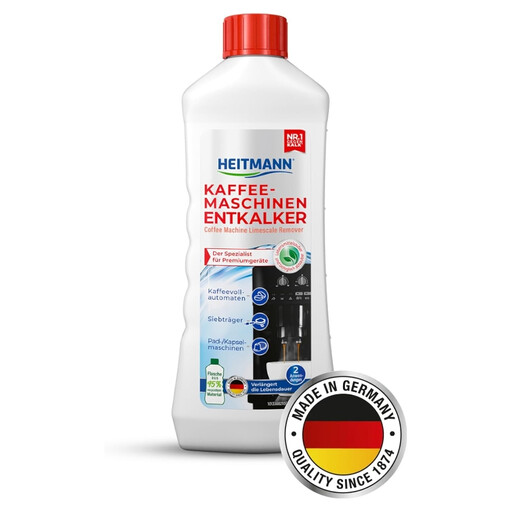
Why we recommend this product: This liquid descaler combines the proven effectiveness of citric and lactic acids. According to the manufacturer, the formula includes a corrosion inhibitor that protects metal components during cleaning. Its liquid form allows for easy dosing and application for regular coffee machine maintenance.
- Pros:
- Combination of citric and lactic acids as active ingredients.
- Includes a corrosion protection additive.
- Easy to dose (50 ml per 500 ml of water).
- Made in Germany.
- Who it's for:
- Users looking for a universal and material-friendly solution for various types of coffee machines (bean-to-cup, pod, and capsule machines).
Heitmann Bio Quick Descaler 250 ml
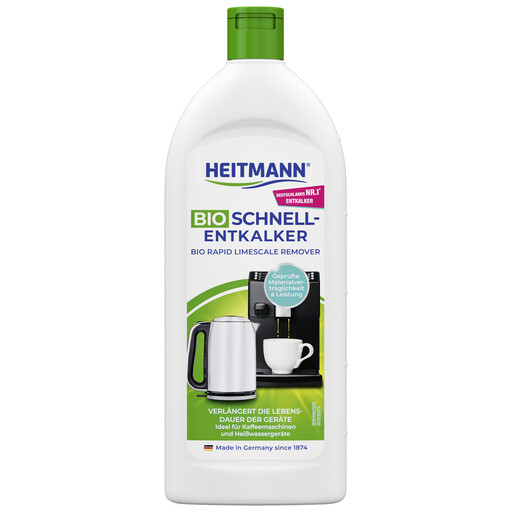
Why we recommend this product: This product is positioned as an organic descaler and is declared food-safe by the manufacturer. The formulation is designed for a wide range of hot water appliances, making it a versatile option for the household. Its emphasis on biodegradable ingredients appeals to environmentally conscious users.
- Pros:
- Declared as food-safe.
- Versatile for use in coffee machines, kettles, and other hot water appliances.
- Focuses on biodegradable ingredients.
- Who it's for:
- Users who value eco-friendly products and want a single descaler for multiple kitchen appliances.
Philips CA6700/22 Liquid Descaler - 2 x 250ml
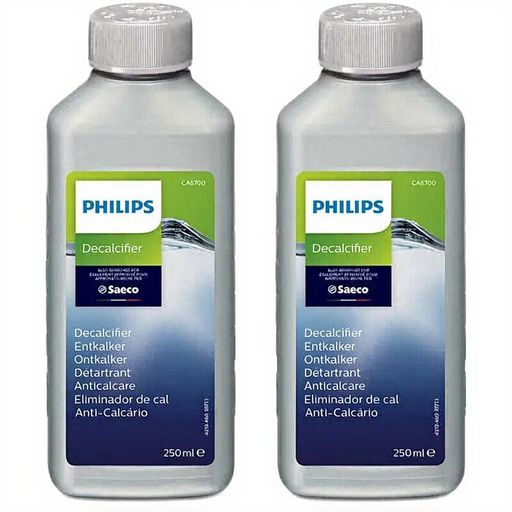
Why we recommend this product: According to the manufacturer, Versuni Netherlands B.V., this descaler was developed specifically for use in Philips and Saeco espresso machines. A manufacturer-specific formulation is designed to ensure maximum compatibility with the materials used in the appliance and the software of the descaling program. The base of citric acid and sodium citrate is engineered for effective yet gentle descaling.
- Pros:
- Formula approved by the appliance manufacturer for Philips and Saeco machines.
- Optimised for the descaling programs of these appliances.
- Convenient double pack for two descaling cycles.
- Who it's for:
- Owners of Philips or Saeco bean-to-cup and espresso machines who prefer a maintenance solution tailored to their appliance to maintain performance and preserve any warranty claims.
Other Options for Appliance Cleaning
Regular descaling is a central aspect of machine maintenance. However, coffee fats, oils, and milk residues must also be removed to ensure hygiene and preserve the coffee's taste. Special cleaning tablets, milk system cleaners, and water filters are available for this purpose. You can find a comprehensive selection of products for maintaining your appliances in our Food Cleaners category.
Frequently Asked Questions (FAQ)
1. How often should you descale a bean-to-cup coffee machine? The frequency depends on two factors: your local water hardness and how often you use the machine. Many modern appliances have a built-in water flow counter and will automatically prompt you to descale. As a general guideline, with medium water hardness and daily use, an interval of two to three months is recommended.
2. Can you descale coffee machines with household remedies like vinegar? This is not advisable for modern appliances, especially bean-to-cup machines. Acetic acid can attack and make seals made of rubber or silicone, as well as plastic tubing, porous. Furthermore, the odour is difficult to remove from the system. Professional descalers have a composition tailored to the machine's materials and often contain protective additives.
3. What is the difference between citric acid-based and lactic acid-based descalers? Both are organic acids and are well-suited for use in food-grade appliances. Citric acid is a very common and powerful limescale remover. Lactic acid is considered particularly gentle on materials and is often used in products labelled as "gentle" or "organic." Both effectively remove limescale, although their exact performance depends on the concentration and the overall product formula.