
Coconut Cream Buyer’s Guide: Find the Right Creaminess for Your Dishes
By Joybuy Product Recommendation Officer, August 28, 2026
For anyone looking to prepare authentic Asian dishes, one ingredient is nearly indispensable: coconut cream. It's the foundation for the rich texture of a Thai curry and lends an unparalleled depth to soups and desserts. Yet, when trying to buy coconut cream, many find themselves facing a shelf full of similar cans and confusing labels. The wrong choice can leave a dish watery and disappointing. This guide will help you navigate the common pitfalls and choose the perfect product for your culinary needs.
The 2 Most Common Mistakes When Buying Coconut Cream
The selection at the supermarket can be confusing. Unclear labelling or marketing terms often lead to the wrong purchase. Pay close attention to these two points to avoid disappointment.
- Confusing Coconut Cream with Coconut Milk: The most common mistake is assuming the two products are interchangeable. Coconut cream has a significantly higher fat content and a thicker consistency. If coconut milk is mistakenly used in a recipe calling for a creamy curry, the result will lack the desired richness.
- Ignoring the Ingredient List: Many products contain stabilisers, emulsifiers, or thickeners in addition to coconut extract and water. While some additives are necessary to prevent the fat and water from separating, others can negatively affect the taste and texture. A short and clean ingredient list is often a sign of a less-processed product.
What Really Matters: The Key Parameters
To ensure you find the right product for your recipe, you should check two core parameters before making a decision.
Parameter 1: Fat Content
Fat content is the most important indicator of creaminess and flavour. Products can be roughly divided into three categories:
- Coconut Cream: With a fat content typically ranging from 20% to 24%, this is the richest option. It is ideal for dishes where a thick, velvety consistency is key, such as coconut cream for curries (e.g., Panang or Massaman) or for making firm creams and desserts. A coconut cream with 22% fat is a common and reliable choice here.
- Coconut Milk: The fat content here is usually between 15% and 19%. Coconut milk is more liquid than coconut cream and is well-suited for soups (e.g., Tom Kha Gai), lighter sauces, or as an addition to beverages.
- Light Coconut Milk or Coconut Drink: These products have a fat content below 10% and are heavily diluted with water. They are unsuitable for creating creamy culinary results and serve more as a milk substitute in cereal or coffee.
Parameter 2: Ingredients and Origin
High-quality coconut cream consists primarily of two ingredients: coconut extract and water. Stabilisers like guar gum (E412) or xanthan gum (E415) are often included to maintain the creamy consistency and prevent the fat phase from separating. This is a technical necessity and not inherently a quality flaw. Products from Southeast Asia, such as Thai coconut cream, are often prized for their authentic flavour, which is optimised for the region's cuisine. As a vegan cream alternative, coconut cream is also an excellent choice due to its texture and fat content, both for cooking and for whipping for desserts.
Our Selection for Different Applications
Here are some recommendations tailored to different needs and cooking styles.
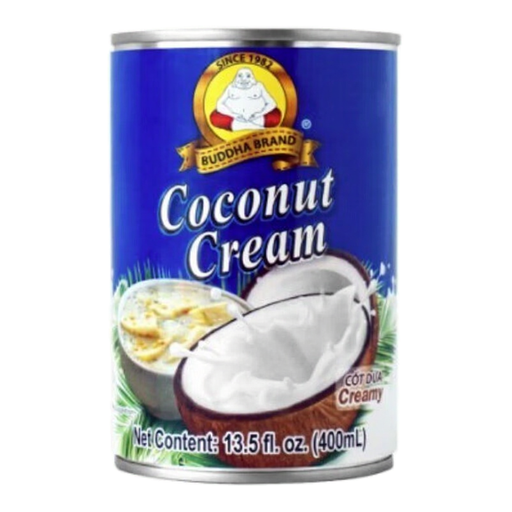
Sunlee Coconut Cream (20-22%)(Blue Label) 400ml
Why This Fits Their Persona: Ideal for cooks aiming for an authentic, thick consistency in Thai curries or opulent desserts. The high fat content ensures an intense flavour and a velvety texture.
With a clearly declared fat content of 20-22%, this product avoids any confusion with thinner coconut milk and delivers the expected creaminess.
High coconut extract content for a full-bodied flavour; a stable consistency that won't separate or curdle, even during prolonged cooking.
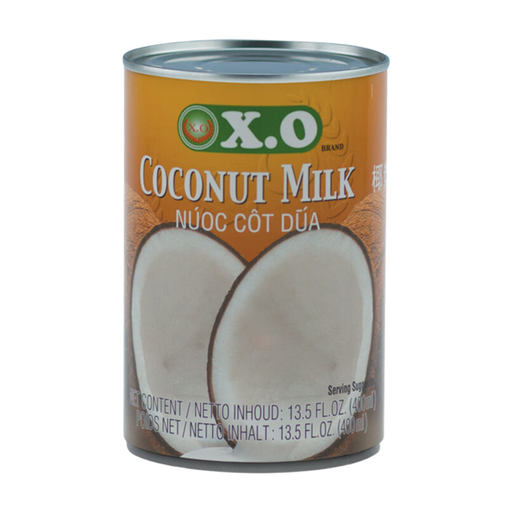
XO coconut milk (brown label) 400ml
Why This Fits Their Persona: Perfect for home cooks seeking a flexible product for soups, lighter sauces, or enhancing vegetable dishes without the overwhelming heaviness of pure cream.
At 18% fat, this product strikes a great balance. It's creamy enough for many applications but is clearly positioned as coconut milk, not cream.
A high coconut extract content of 75% according to the manufacturer; versatile enough for a wide range of recipes.
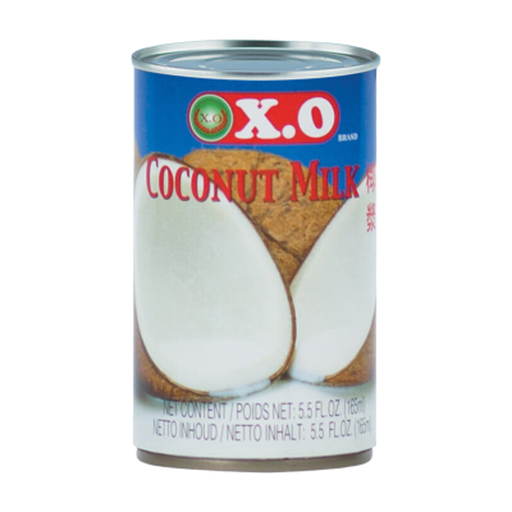
X.O. Coconut Milk (Blue Label) 165 ml
Why This Fits Their Persona: Perfect for anyone who wants just a hint of coconut flavour in smoothies, cocktails, porridge, or coffee without adding a lot of fat. The small can size is convenient for single servings.
The low fat content of 6.5% is clearly stated, preventing any false expectations of a creamy cooking base. It specifically serves a different niche.
Low fat content for light applications; the 165 ml can helps prevent food waste when you only need a small amount.
Looking for More Options?
We've compiled a complete, up-to-date list of products that fully meet these strict selection criteria and safety standards.
1. What is the exact difference between coconut cream and coconut milk? The main difference lies in the fat content and consistency. Coconut cream is made from the solid, fatty part of the coconut flesh and has a fat content of 20–24%. Coconut milk is a mixture of this solid part and water, resulting in a lower fat content (15–19%) and a more liquid consistency.
2. Can you use coconut cream as a vegan cream alternative? Yes, coconut cream is an excellent vegan cream alternative. Due to its high fat content, it can be used 1:1 like heavy or cooking cream in many recipes to add creaminess to sauces and soups. Chilled, high-fat coconut cream can also be whipped like dairy cream and used for desserts.
3. Why does my coconut cream separate into a solid and a liquid layer in the can? This is a natural process, especially in products with high fat content and few or no emulsifiers. The solid, white layer is the actual coconut cream, while the liquid part is coconut water. This is often a sign of a natural, less-processed product. Before use, you should shake the can vigorously or stir the contents in a bowl to create a homogeneous mixture.