
Protein Bar Buyer's Guide: Smart Selection Tips
By the Joybuy Product Recommendation Officer, July 28, 2026
The selection of protein bars on supermarket shelves and online is vast. They promise a quick protein boost for muscle growth, a nutritious on-the-go snack, or a healthier alternative to a chocolate bar. But not every protein bar delivers on its packaging's promise. Upon closer inspection, many turn out to be overpriced candy bars with hidden calorie traps.
To help you make an informed decision, we'll show you the most common pitfalls to watch out for and the objective criteria that truly matter.
The 2 Most Common Traps When Buying Protein Bars
The fitness bar market is full of marketing promises. However, many products are designed to appear healthier than they actually are. Pay special attention to these two points:
- The "Health Halo" from High Sugar Content: Many bars advertise a high protein content but hide an equally high amount of sugar or fat in the nutrition facts. Ingredients like glucose syrup, fructose, or invert sugar syrup are just other names for sugar. A bar that contains more sugar than protein is more of a candy bar than a functional snack.
- The Sugar Alcohol (Polyol) Trap: To be marketed as a "sugar-free protein bar" or "low-carb bar," manufacturers often replace conventional sugar with sugar alcohols like maltitol, xylitol, or sorbitol. While these have fewer calories, they can cause digestive issues when consumed in excess. A warning like "may have a laxative effect if consumed in excess" is a clear indicator.
What Really Matters: The 3 Key Criteria for Your Selection
To find the right protein bar for your goals, don't be swayed by colourful packaging. A look at the back and an understanding of three core parameters are crucial.
1. Protein Content and Source
Protein content is the central feature. A bar intended to support muscle growth should provide a significant amount of protein.
- Guideline: A good protein bar typically contains at least 15 grams of protein per serving. Products with less than 10 grams of protein are better considered protein-enriched snacks.
- Protein Source: The type of protein is also relevant. Whey and casein are animal-based proteins with a complete amino acid profile. For those who prefer a plant-based diet, there are high-quality vegan protein bars based on soy, pea, or rice protein. Often, multiple plant sources are combined to optimise the amino acid profile.
2. Sugar and Carbohydrate Content
A critical look at the nutrition table is essential, especially the information on carbohydrates and sugar.
- Sugar: Compare the protein content to the sugar content. Ideally, the sugar content should be significantly lower than the protein content. A sugar-free protein bar (or one with a very low sugar content of under 5g per 100g) is the better choice for most fitness goals.
- Carbohydrates and Fibre: A low-carb bar is characterised by a low amount of net carbs. Also, pay attention to the fibre content. Fibre promotes satiety and is beneficial for digestion.
3. The Ingredients List: Less Is Often More
A short and understandable ingredients list is often a sign of a higher-quality product. If the list is overloaded with chemical-sounding terms and fillers, it may be a highly processed product. Look for whole-food ingredients like nuts, seeds, or oats near the top of the list. This makes the bar a convenient and nutritious on-the-go snack.
Our Selection: The Right Protein Bars for Different Needs
Based on the objective criteria above, we have compiled a selection of products for different user profiles. Whether you're looking for a large protein bar box for your weekly supply or a specific type of bar, you'll find suitable options here.
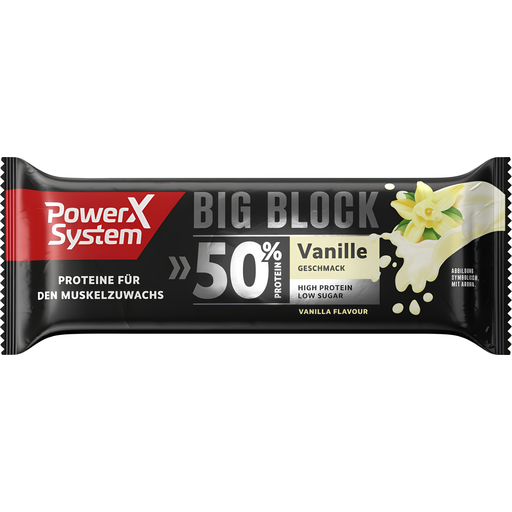
Power System Big Block Vanilla Protein Bar 100g
Why This Fits Their Persona: For athletes whose focus is on maximum protein intake to support muscle growth. This bar is designed for performance, not just flavour.
The bar bypasses the sugar trap with an extremely low sugar content of just 2g per 100g, while simultaneously delivering a very high protein content. The focus is clearly on function.
Very High Protein Content: With 50g of protein per 100g bar, it offers one of the highest concentrations on the market. Ideal after intense training.
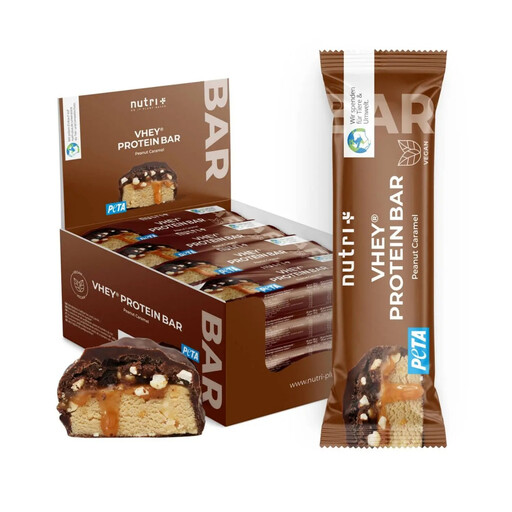
Nutri+ VHEY Protein Bar Peanut Caramel 12×50g Box
Why This Fits Their Persona: Ideal for individuals looking for a plant-based, balanced everyday snack that provides a good source of protein without compromising on ingredients.
This bar relies on a purely plant-based protein source (pea protein) and is clearly positioned as a vegan bar. It avoids the "health halo" by offering transparent nutritional values for a conscious diet.
100% Vegan Formula: Provides a solid plant-based protein source with 11g of protein per bar. Rich in Fibre: Contains oligofructose and polydextrose as sources of fibre.
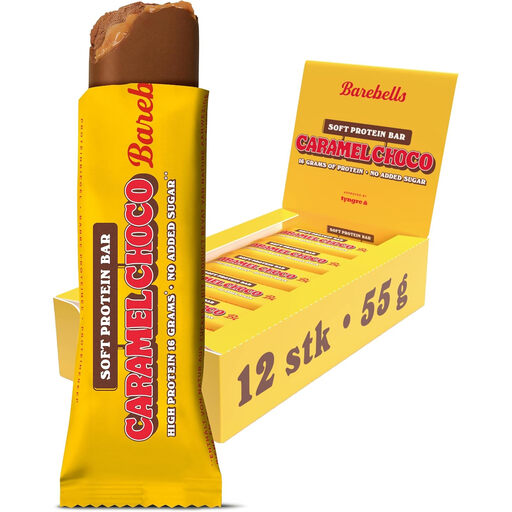
Barebells Soft Protein Bar Caramel Choco 12 × 55 g
Why This Fits Their Persona: For anyone looking for a protein bar that tastes like a real treat but still has good nutritional values. Perfect for satisfying sweet cravings without sabotaging your fitness goals.
This bar combines an appealing taste with a very low sugar content of under 2g per bar. It uses sweeteners to achieve a sweet flavour without the calories and drawbacks of sugar.
Great Taste with Low Sugar: Offers an indulgent experience similar to a candy bar. Solid Protein Content: With 16g of protein per bar, it still supports your protein intake.
Looking for more options?
We have compiled a complete, up-to-date list of products that fully meet these strict selection criteria.
Frequently Asked Questions (FAQ)
When is the right time to eat a protein bar?
A protein bar is versatile. Many athletes consume one within 30 to 60 minutes after a workout to support muscle recovery. However, it also works well as a high-protein snack between meals to curb hunger and keep blood sugar levels stable, or as a convenient option when a full meal isn't possible.
Are protein bars suitable for weight loss?
Protein bars can support a diet, but they are not a miracle cure. Thanks to their high protein content, they can promote satiety and help you meet your daily protein intake, which is important for preserving muscle during a calorie-reduced diet. However, the overall calorie balance is what matters most. A bar should replace an unhealthy, high-calorie meal, not be consumed in addition to it. Pay special attention to low sugar and calorie content here.
How can I identify a high-quality vegan protein bar?
A high-quality vegan protein bar is distinguished by a good protein source and a well-thought-out composition. Look for a combination of different plant-based proteins (e.g., pea, rice, hemp) to ensure a more complete amino acid profile. The ingredients list should ideally be short and contain natural components like nuts or seeds. Avoid products that consist mainly of syrups and isolated fillers.