
2026 Cutting Board Buyer's Guide: An Analysis of Materials and Functions
A cutting board is an essential part of any kitchen setup. Its primary function is to protect both the countertop and the knife blade during food preparation. Selecting the right model depends on objective criteria such as material properties, size, intended use, and hygienic characteristics. An informed decision is based on understanding the technical differences between the available options.
Buyer's Guide: A Material Analysis for Kitchen Boards
The choice of material is the critical factor that defines a cutting board's durability, maintenance requirements, and suitability for specific foods.
Wooden Cutting Boards
Wood is a traditional material for kitchen cutting boards. A distinction is made between edge grain (fibres run parallel to the surface) and end grain (fibres are perpendicular to the surface).
- Properties: Wooden boards, especially those made from hardwoods like oak, walnut, or acacia, are kind to knives. The blade sinks minimally into the wood fibres, which helps preserve the knife's edge for longer. Furthermore, certain types of wood contain natural tannins, which are credited with having an antibacterial effect.
- Care: A wooden cutting board requires regular maintenance. It should not be placed in the dishwasher, as this can lead to cracking and warping. Clean it by hand with warm water and mild detergent. Periodically treating it with food-safe mineral oil maintains the wood's moisture and protects the surface.
- Application: Ideal for cutting bread, vegetables, and dry cooked foods. Due to their porous structure, they are only recommended for raw meat or fish if cleaned carefully and immediately.
Plastic Cutting Boards
Plastic boards, typically made from polypropylene (PP) or polyethylene (PE), are a common alternative.
- Properties: Plastic is a non-porous material, which makes cleaning easier. Many models are dishwasher-safe. They are generally more affordable and available in various colours, which allows for colour-coding to separate food groups (e.g., red for meat, green for vegetables).
- Care: Cleaning in the dishwasher at high temperatures contributes to sanitisation. A drawback is that deep knife cuts can leave permanent grooves where bacteria can accumulate. Boards with significant signs of wear should be replaced.
- Application: A plastic cutting board is an all-rounder. Its ease of disinfection makes it well-suited for handling raw meat and fish.
Stainless Steel and Composite Materials
Modern kitchen boards often combine different materials to leverage their respective advantages.
- Properties: Stainless steel is extremely hygienic, odour- and taste-neutral, and very durable. The surface is non-porous and easy to disinfect. The main disadvantage is the hardness of the material, which causes knife blades to dull more quickly.
- Care: Stainless steel boards are dishwasher-safe and resistant to cleaning agents.
- Application: Due to its hygienic properties, stainless steel is an option for processing strong-smelling foods like onions or fish, as well as for raw meat. They are often combined in double-sided boards with a more knife-friendly second side.
Our Top Picks for 2026
Based on an analysis of product specifications and functional design, here are some standout models.
1. Suncha Walnut Cutting Board
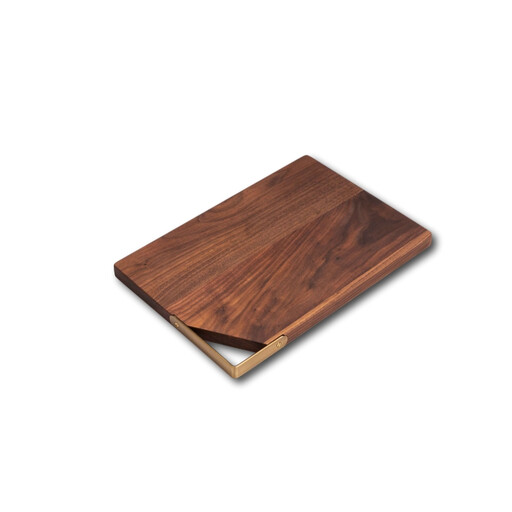
- Why we recommend this product: This board combines the functional benefits of solid walnut wood with a thoughtful design. Its dimensions of 25 x 36 x 2 cm provide an ample work surface for most daily cutting tasks. The integrated corner handle facilitates handling and hanging for storage.
- Advantages:
- Material: Crafted from solid walnut wood, known for its density and fine texture.
- Kind to Knives: The wood surface is more forgiving than plastic or stone and protects knife blades.
- Design: The cutting board with a handle is practical for transport and storage.
- Who it's for: Users looking for a durable, aesthetically pleasing wooden board for daily use who are willing to perform the necessary maintenance.
2. Maxcook 304 Stainless Steel & Wheat Straw Double Sided Chopping Board
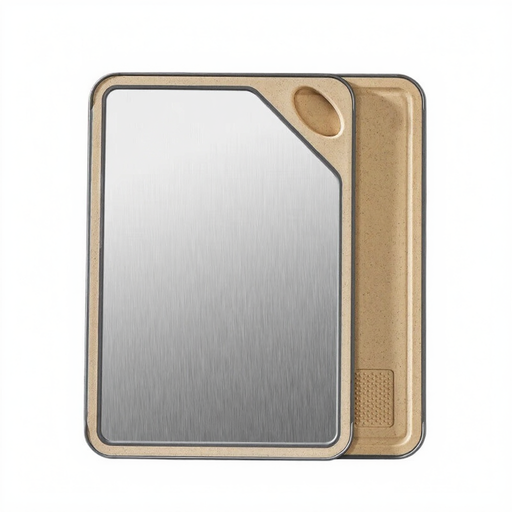
- Why we recommend this product: This model addresses the problem of cross-contamination with an intelligent two-sided design. It offers a hygienic stainless steel surface and a knife-friendly wheat straw side in a single product.
- Advantages:
- Versatility: The 304 stainless steel side is designed for raw meat and fish, while the wheat straw side is suitable for fruits and vegetables.
- Hygiene: The non-porous stainless steel surface is designed as an antibacterial cutting board and is easy to clean.
- Material Combination: It combines the durability and hygiene of stainless steel with the blade-friendliness of a composite material.
- Who it's for: Chefs who want to practice strict separation of food groups without having to store multiple boards. Ideal for users with a high awareness of hygiene.
3. Set of 3 PP cutting boards
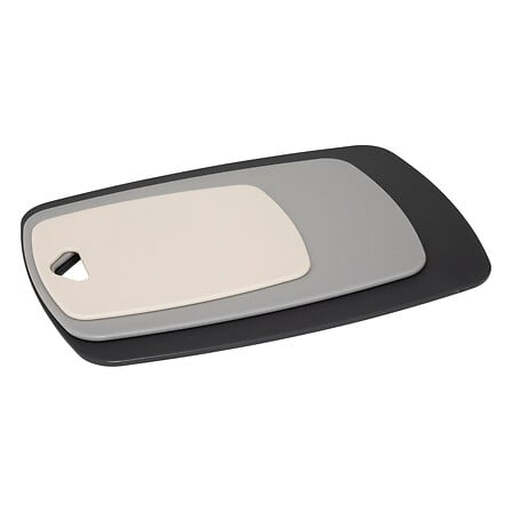
- Why we recommend this product: This cutting board set made from polypropylene (PP) offers a pragmatic and cost-effective solution for a variety of kitchen tasks. With three different sizes, there is a suitable board for every task, from mincing a clove of garlic to carving a roast.
- Advantages:
- Functionality: Three sizes (large, medium, small) cover all use cases.
- Value for Money: A complete set at an accessible price.
- Easy to Maintain: The PP material is dishwasher-safe, making it easy to keep hygienically clean.
- Who it's for: Budget-conscious households, novice cooks, or as a supplement to existing kitchen equipment. The set is ideal for anyone looking for a straightforward and versatile solution.
Other Options: Stone Cutting Boards
For users seeking a particularly robust, heat-resistant, and decorative surface, models made from other materials might also be of interest. Boards made of marble or granite, for example, are well-suited for rolling out dough or as a serving platter, but they are not recommended for regular use with high-quality knives due to their hardness. You can find a selection in our Stone Cutting Board category.
Frequently Asked Questions (FAQ)
1. Which cutting board material is the most hygienic? The hygiene of a cutting board depends less on the material itself and more on proper cleaning and maintenance. Non-porous materials like plastic and stainless steel can be disinfected very effectively with proper handling. However, plastic boards can develop deep, hard-to-clean grooves with heavy wear. With proper care (hand washing, regular oiling), wooden boards can also be very hygienic, as some wood types have natural antibacterial properties.
2. How do you properly care for a wooden cutting board? A wooden board should be hand-washed with warm water and a small amount of detergent after each use and dried thoroughly immediately. Store it upright to allow air to circulate. It must not be soaked in water or cleaned in the dishwasher. To protect the wood from drying out and cracking, it should be rubbed with a food-safe mineral oil every few weeks.
3. Should you use different cutting boards for meat and vegetables? Yes, using separate boards for raw meat/fish and for ready-to-eat foods like vegetables or bread is a recommended practice to prevent cross-contamination. Colour-coded plastic boards or double-sided boards like the Maxcook model are specifically designed for this purpose and make it easier to adhere to this hygiene rule.