
Chocolate Mochi Buyer's Guide: Finding Your Perfect Match
Chocolate mochi have evolved from a niche Asian product into a popular treat in the UK and Europe. The combination of a soft, chewy glutinous rice shell and a creamy chocolate filling offers a unique taste experience. However, buying chocolate mochi online can have its pitfalls, often leading to disappointment. This guide will help you separate the wheat from the chaff and find products that live up to their promise.
Common Pitfalls When Buying Chocolate Mochi
Many buyers report similar issues that spoil the enjoyment. Two are particularly common and can be avoided by taking a closer look at the product description.
- The Texture Trap: The signature characteristic of mochi is its soft, slightly sticky, and chewy consistency. However, some products on the market have a dry, crumbly, or overly rubbery texture. This is often a sign of a suboptimal recipe or prolonged storage.
- The Filling Disappointment: The term "chocolate" can mean many things. Instead of a rich, aromatic chocolate cream or ganache, some mochi contain a filling made primarily of sugar and vegetable fat with a low cocoa content. The result is a waxy, artificial taste that is far from a genuine chocolate indulgence.
What to Look for Before You Buy: 3 Crucial Criteria
To ensure you buy high-quality chocolate mochi, you should check three core parameters. These provide insight into the expected quality and taste experience.
1. Ingredient List and the Proportion of Glutinous Rice
The foundation for authentic Japanese rice cakes or Taiwanese sweets of this kind is always glutinous rice flour.
- Glutinous Rice Flour: Make sure that "glutinous rice flour" is listed high up on the ingredient list. It is responsible for the typical chewy and soft texture. Plain rice flour or a high proportion of starch can lead to a less satisfying consistency.
- Sweeteners: Ingredients like maltose and trehalose are often used to maintain the softness and moisture of the mochi over time without making them overly sweet.
2. Type and Quality of the Chocolate Filling
The description of the filling is a key indicator. Look for precise details to better assess the quality of mochi with chocolate filling.
- Cream Filling vs. Ganache: A filling described as "chocolate cream" or "cocoa cream" can vary widely. Products that list cocoa powder or cocoa mass in combination with fats like palm oil are common.
- Chocolate Mochi Ice Cream: A special category is chocolate mochi ice cream. This is a frozen dessert where the rice dough shell encloses a scoop of chocolate ice cream. These products require continuous deep-freezing and offer a completely different experience than the shelf-stable versions.
3. Brand Origin and Specialisation
Brands that specialise in making mochi often offer more reliable quality. In particular, manufacturers from Taiwan, such as Royal Family Mochi or Bamboo House, are known for their wide variety and consistent texture. The country of origin can be an indicator of adherence to traditional or established manufacturing methods.
Flavorful Brewing Solutions
Based on the criteria above, we have compiled a selection of products suitable for different preferences and use cases.
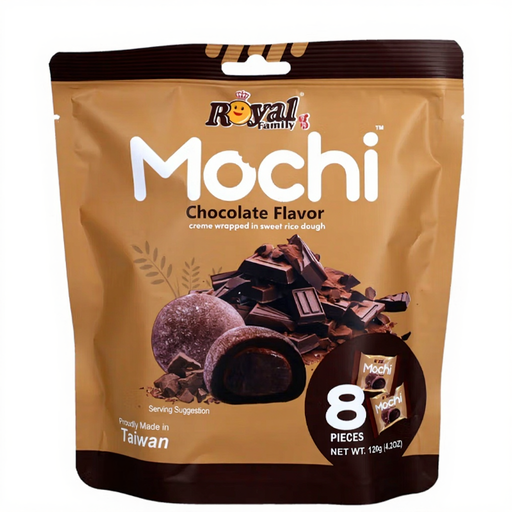
Royal Family Mochi - Chocolate 120g
Why This Fits Their Persona: Ideal for anyone wanting to experience the authentic, chewy rice cake with a classic chocolate filling. This product represents the quintessential Taiwanese mochi experience.
Comes from an established Taiwanese manufacturer known for its mochi quality. The recipe, with glutinous rice (13.41%) and trehalose, ensures the expected soft and chewy texture, avoiding the texture trap.
Classic, proven texture. Individually wrapped for extended freshness and convenient consumption.
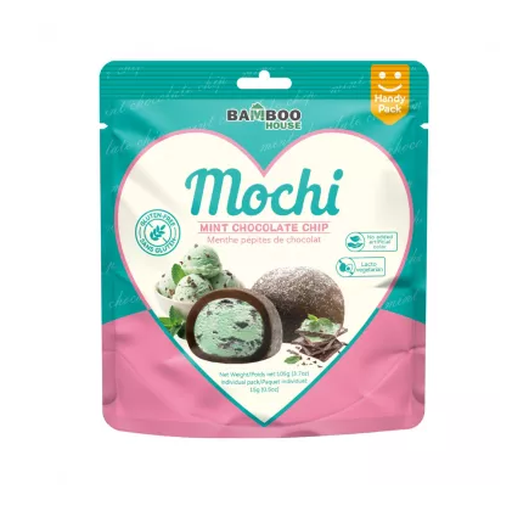
BAMBOO HOUSE Mint Chocolate Mochi 105g
Why This Fits Their Persona: Perfect for those who want to combine a familiar texture with a new, refreshing flavour profile. The fusion of mint and chocolate is a modern take on the classic.
The clear declaration as a "refreshing mint-chocolate cream" with peppermint oil sets a clear expectation for the filling, thus avoiding disappointment from a non-specific "chocolate" filling.
A unique flavour combination of cool mint and chocolate. The chewy mochi shell provides the familiar textural contrast.
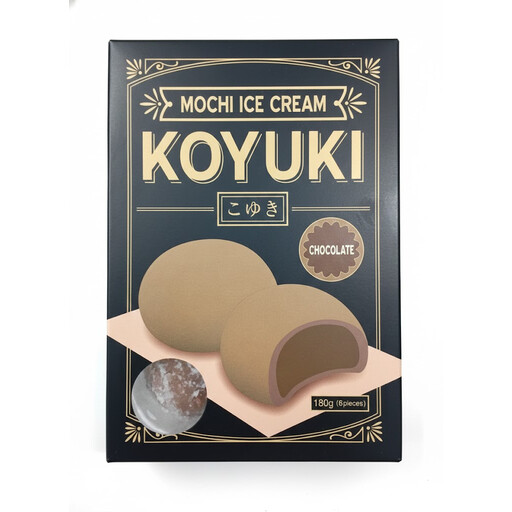
Koyuki Japanese Mochi Ice Cream Chocolate Flavor 180g
Why This Fits Their Persona: The right choice for anyone specifically looking for the popular combination of rice dough and creamy ice cream. A refreshing dessert straight from the freezer.
Clearly defined as chocolate mochi ice cream, which prevents confusion with shelf-stable mochi. The ingredient list, including cream and cocoa powder, indicates a high-quality ice cream filling.
Combination of a delicate rice dough shell and real chocolate ice cream. Must be served chilled and offers an intense dessert experience.
Looking for more options?
We have compiled a complete, up-to-date list of products that fully meet these strict selection criteria and all relevant safety regulations.
How do you store chocolate mochi correctly?
The correct storage method depends on the type of mochi.
- Shelf-stable Mochi (unrefrigerated): These should be stored in a cool, dry place, away from direct sunlight. After opening the package, it is advisable to keep them in an airtight container and consume them quickly to prevent them from drying out.
- Mochi Ice Cream: This variety must be stored continuously at -18°C or colder in the freezer. It is recommended to take them out of the freezer a few minutes before eating to allow the rice dough to soften slightly. Once thawed, they should not be refrozen.
Are chocolate mochi always gluten-free?
Traditionally, mochi are made from glutinous rice flour, which is naturally gluten-free. However, the fillings or the production process may contain gluten. For example, there might be cookie pieces in the filling or traces of wheat due to cross-contamination. Individuals with celiac disease or gluten intolerance should therefore always check the allergen information and the ingredient list on the packaging carefully.
What is the difference between Japanese and Taiwanese mochi?
Although mochi originated in Japan, a distinct and very popular tradition has developed in Taiwan. Japanese mochi (daifuku) are often filled with traditional fillings like red bean paste (anko). Taiwanese manufacturers like Royal Family or Bamboo House are known for their innovation and offer a wide range of modern fillings, including chocolate, peanut butter, fruit creams, or even tea flavours. The texture for both varieties is typically soft and chewy.