
Buying Chocolate: A Modern Selection Guide
Deciding which chocolate to buy might seem simple at first. However, the vast selection available online can quickly become overwhelming. From classic varieties to niche products with special ingredients, the choice is enormous. Many consumers find that after their purchase, the product doesn't meet their expectations. This guide will help you identify key quality characteristics and avoid common pitfalls, ensuring you find the perfect chocolate for your palate.
Common Pitfalls When Buying Chocolate Online
When ordering chocolate online, buyers often encounter the same problems. Knowing what they are makes them easy to avoid.
- Misleading Quality Claims: A high cocoa content is often promoted as the sole indicator of quality. However, a high percentage doesn't necessarily guarantee great taste. The quality of the cocoa beans, the processing, and the other ingredients are just as crucial. A 70% cocoa chocolate can be of poor quality if the beans were poorly fermented or over-roasted.
- Hidden Low-Quality Fats: High-quality chocolate contains cocoa butter as its primary fat. To cut costs, some manufacturers replace a portion of the cocoa butter with cheaper vegetable fats like palm or coconut oil. This not only affects the melt and mouthfeel but also compromises the pure chocolate flavour. A close look at the ingredients list is essential here.
- Unclear Origins and Ethical Standards: Terms like "sustainable" or "fair" are not always clearly defined. Consumers who value ethical production conditions should look for recognised certifications like Fairtrade or consider brands like Tony's Chocolonely that are transparent about their supply chains.
What to Look for Before You Buy: Key Parameters
To make an informed decision, you should check three key aspects. These will help you objectively assess the quality of a chocolate bar.
Cocoa Content and Chocolate Type
The cocoa content largely defines the character of the chocolate. There are fundamental differences between the main types:
- Milk Chocolate: Contains milk powder in addition to cocoa mass and cocoa butter. The cocoa content is usually between 30% and 40%. It has a creamier and sweeter taste. A good Swiss chocolate is often a prime example of high-quality milk chocolate.
- Dark Chocolate: Has a higher cocoa content (typically 50% or more) and contains little to no milk powder. The higher the percentage, the more intense and less sweet the flavour. Varieties with 85% or 90% cocoa are aimed at connoisseurs who appreciate the pure cocoa aroma.
- White Chocolate: Contains cocoa butter but no cocoa solids. Therefore, it lacks the typical dark colour and bitter cocoa taste.
The Ingredients List: An Indicator of Quality
A short and clear ingredients list is often a good sign. Pay attention to the following points:
- Fat Source:Cocoa butter should be listed prominently. Be sceptical if "vegetable fats" are listed without further specification.
- Sugar Content: Compare the sugar content, especially in dark chocolates. A high sugar content can mask the delicate cocoa aroma.
- Emulsifiers: Soy lecithin is a common and harmless emulsifier. High-quality chocolates sometimes manage without any at all.
Add-ins and Fillings
Whether it's chocolate with nuts, caramel, fruit pieces, or spices—add-ins provide variety. The quality of these additional ingredients is crucial. Whole nuts are often a better sign than nut fragments, and natural flavours are preferable to artificial ones. When looking for special offers on chocolate, ensure that the discount doesn't come at the expense of ingredient quality.
Selecting Your Flavor Focus
To help guide your choice, we have put together a few products for different preferences.
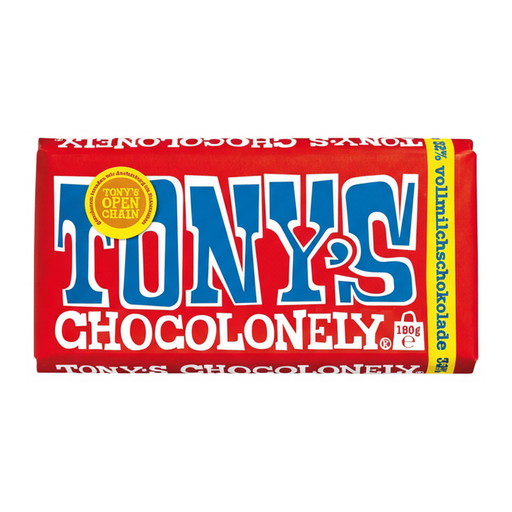
Tony's Chocolonely Milk Chocolate 180g
Why It's a Match: Ideal for those who want a creamy, rich milk chocolate while also valuing ethical production standards. The flavour is classic and well-balanced.
The brand transparently communicates its mission for slave-free cocoa production, thus avoiding the pitfall of unclear origins. The ingredients list is clear and free of palm oil.
Fairtrade certified; 32% cocoa content ensures a full-bodied flavour.
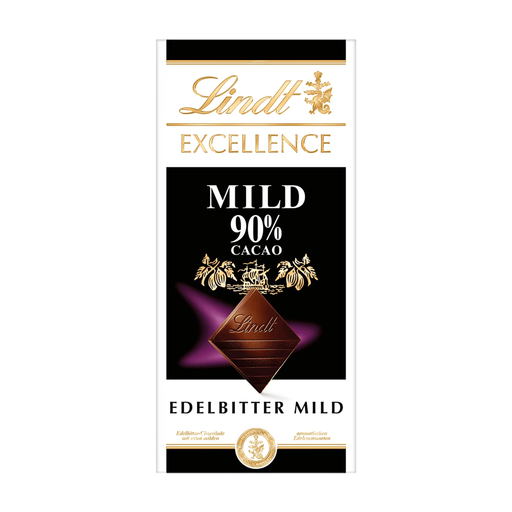
Lindt Excellence 90% Cocoa Dark Chocolate Bar 100g
Why It's a Match: For purists who prefer an intense and complex cocoa aroma with minimal sweetness. The thin bar format ensures a delicate melt and optimal flavour release.
This chocolate avoids the high-sugar pitfall. With only 7g of sugar per 100g, the pure cocoa aroma takes centre stage. The ingredients list is short and reduced to the essentials.
Very high cocoa content of 90%; made from high-quality ingredients like cocoa mass and cocoa butter.
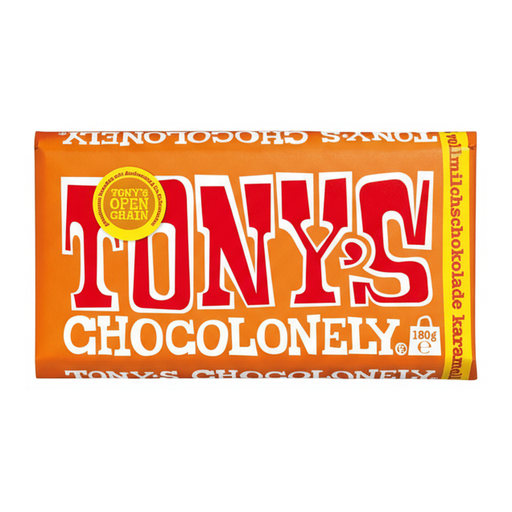
Tony's Chocolonely Milk Caramel Sea Salt Chocolate 180g
Why It's a Match: A great choice for anyone looking for a change from plain chocolate. The combination of sweet caramel, a pinch of sea salt, and creamy milk chocolate offers a complex taste experience.
The ingredients list is transparent, explicitly naming cream and butter for the caramel pieces, which indicates high-quality add-ins and avoids the use of artificial flavours.
Balanced ratio of sweet and salty notes; ethical due to Fairtrade certification.
Looking for more options?
We have compiled a complete, up-to-date list of products that fully meet these strict selection criteria.
Frequently Asked Questions
How do you store chocolate properly to keep it fresh?
Chocolate should be stored in a cool, dry, and dark place, ideally at a temperature between 15 and 18°C (60-65°F). The refrigerator is not suitable, as the humidity can lead to sugar bloom (a greyish layer) and the chocolate can absorb foreign odours. A well-sealed package protects the aromas.
What does the cocoa content in chocolate really mean?
The cocoa content indicates the percentage of all ingredients in the product that come from the cocoa bean. This includes cocoa mass and cocoa butter. A higher cocoa content usually means a more intense, less sweet cocoa flavour. However, it is only one of several indicators of quality.
How can I recognise high-quality chocolate?
Look for a short ingredients list where cocoa mass and cocoa butter are listed first. The absence of other fats like palm oil is a good sign. High-quality chocolate has a silky sheen, breaks with a clean snap, and melts smoothly on the tongue without leaving a greasy or gritty feeling. Well-known brands like Lindt chocolate or specialised producers like Tony's Chocolonely often offer reliable quality.