
Chinese Soup Bases: How to Find Authentic Flavor Without Disappointment
By the Joybuy Product Recommendation Officer, August 28, 2026
The search for an authentic Chinese soup base can quickly become a daunting task. You hope for the deep, complex flavor you remember from a restaurant or a trip abroad, only to end up with a broth that's too salty, artificial, or simply bland. Many products on the supermarket shelf make big promises, but the result in your home kitchen is often a letdown.
As your Product Recommendation Officer at Joybuy, I see it as my mission to bring clarity to this topic. I'll help you navigate the common pitfalls so you can make an informed choice that meets your expectations for an authentic Chinese soup.
The Most Common Pitfalls When Buying Soup Bases
Before we dive into the selection criteria, it's important to understand the common issues that can lead to a purchase you'll regret:
- Vague Flavor Descriptions: Labels like "savory" or "traditional" are often meaningless. Chinese cuisine is incredibly diverse by region. A spicy soup base from Sichuan tastes completely different from a hot-and-sour variety from Guizhou. Without precise details, you're essentially buying blind.
- Overuse of Flavor Enhancers: Many products mask a lack of high-quality ingredients with a heavy dose of monosodium glutamate (MSG) or other flavor enhancers. The result is a one-dimensional, often overly salty taste that lacks the aromatic depth of real spices and fermented ingredients.
- Unclear Purpose: Is the product a concentrated hot pot base that needs to be heavily diluted, or is it a ready-to-use foundation for a Chinese noodle soup? This ambiguity often leads to incorrect preparation and an unsatisfying meal.
What to Look For: 3 Decisive Criteria
To avoid these pitfalls, you should check three key aspects before buying. These will help you objectively assess a product's quality and intended use.
1. The Ingredient List: An Indicator of Authenticity
The ingredient list is your most important tool. Look for specific, high-quality components instead of generic terms like "flavorings" or "spice mix."
- Regional Specialties: Seek out ingredients typical of a specific region. For example, fermented chilis and tomatoes are a hallmark of a Guizhou sour soup. Sichuan peppercorns and Doubanjiang (fermented broad bean paste) point to an authentic Sichuan base.
- Natural Umami Sources: Ingredients like yeast extract, dried mushrooms (shiitake), goji berries, or fermented soybeans provide a natural depth of flavor that goes far beyond that of pure MSG.
- Broth Fundamentals: A good hot pot base is often built on a solid foundation of beef or chicken fat, bone broth, or a rich blend of vegetable oils infused with spices.
2. Concentration and Preparation Style
Understand the product type to use it correctly. There are three main categories:
- Concentrated Bases (e.g., Hot Pot Base): These are thick pastes or liquid concentrates that are brought to a boil with a larger amount of water or broth (often at a 1:5 ratio or more). They form the foundation in which you cook raw hot pot ingredients like meat, vegetables, and tofu.
- Ready-Made Soups and Instant Noodles: Products like Asian instant noodles are complete meals. They include noodles and a perfectly portioned seasoning mix that only needs hot water. They are a convenient ramen alternative for a quick meal.
- Seasoning Packets: These contain dried herbs and spices that you add to a homemade broth to impart a specific aroma, such as for a traditional chicken soup.
3. Brand Transparency and Origin
Brands that are proud of their heritage and production processes often state this on the packaging. Information about traditional fermentation methods, the origin of key ingredients (e.g., chilis from Sichuan), or certifications can be a sign of a well-crafted product. Brands like Haidilao, for example, are strongly associated with hot pot culture, which justifies a certain expectation of product quality.
Top Picks for Different Needs
Here are a few recommendations tailored to different needs and flavor profiles.
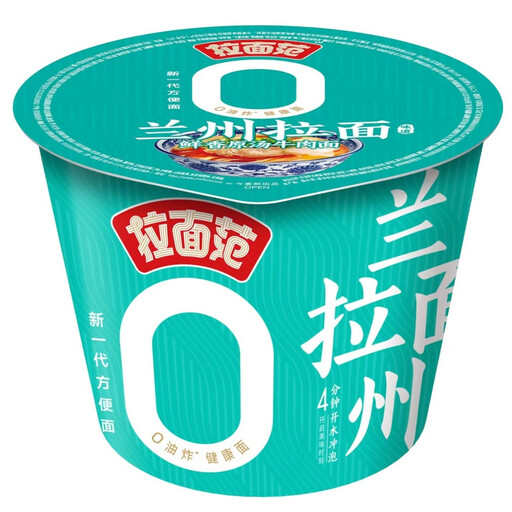
Lamianfan Lanzhou Beef Noodles, Fresh Aroma Original Soup, 120g Bowl
Why This Fits Their Persona: Ideal for students, professionals working from home, or anyone looking for a quick yet flavorful meal with no cooking effort. This dish brings the classic taste of a Lanzhou beef noodle soup to your table in minutes.
As a complete meal with noodles and all seasoning components, there's no ambiguity in preparation. The flavor is clearly defined as "Lanzhou Beef Noodles" and not just vaguely described as "savory."
Ready in just 3 minutes by adding hot water. The non-fried noodles offer a pleasantly chewy and elastic texture.
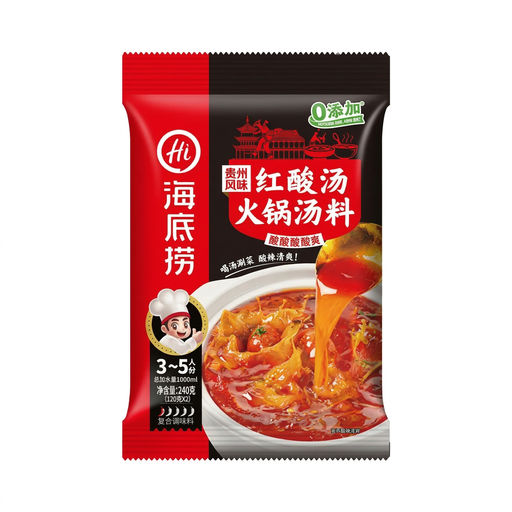
Haidilao Hot Pot Soup Base - Spicy Tomato Flavor 240g
Why This Fits Their Persona: Perfect for hosts who want to offer friends and family an authentic hot pot experience. This base provides a complex, tangy, and spicy flavor foundation that stands out from standard broths.
The Haidilao brand is synonymous with hot pot, and the product is clearly labeled as a hot pot base. The ingredient list, featuring tomato paste and fermented chili sauce, promises a multi-layered taste.
Delivers proven, restaurant-quality flavor for your home. The tangy and savory tomato aroma is a refreshing and appetizing option for any hot pot gathering.
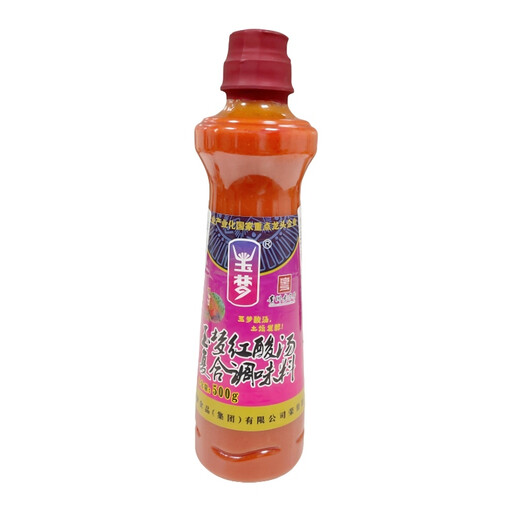
Yumeng Composite Red Sour Soup 500g
Why This Fits Their Persona: For anyone who wants to explore the diversity of Chinese cuisine beyond the well-known classics. This base allows you to prepare an authentic Guizhou Sour Soup, famous for its unique tangy and spicy aroma.
This product bypasses vague descriptions with a clear origin (Guizhou Kaili) and a reference to traditional clay pot fermentation. The ingredient list is specific and transparent.
Offers a unique, regional flavor profile based on traditional craftsmanship. Versatile for use with fish, beef, or as a distinctive hot pot base.
Looking for more options?
We've compiled a complete, up-to-date list of products that fully meet these strict selection criteria and comply with local regulations.
Frequently Asked Questions (FAQ)
1. What is the difference between a hot pot base and a regular Chinese noodle soup?
A hot pot base is typically a highly concentrated seasoning that is diluted with water or broth to create a large pot of soup. Various raw hot pot ingredients like sliced meat, vegetables, mushrooms, and tofu are then cooked in this broth directly at the table. A Chinese noodle soup, on the other hand, is often a complete meal or a base specifically designed for preparation with noodles, usually served as a single portion.
2. How do I store an opened package of soup base?
Most liquid or paste-like soup bases should be refrigerated after opening and consumed within a few days. Always follow the storage instructions on the packaging, as shelf life can vary depending on the ingredients and preservatives. Dry seasoning packets will last longer when stored in a cool, dry place.
3. Do I need to add other spices to a soup base?
For most products, especially Asian instant noodles, all the necessary seasonings are already included. For a hot pot base, the product provides the fundamental flavor profile. However, you can always enhance and personalize the aroma with fresh ingredients like slices of ginger, garlic cloves, fresh chilis, or scallions.