
Chinese Pickled Radish Buying Guide: Choosing the Right One
By the Joybuy Product Recommendation Officer, August 28, 2026
Chinese pickled radish is an essential side dish in many Asian households. Whether as a crunchy accompaniment to rice porridge (congee), a zesty component in noodle dishes, or simply a flavourful addition to a simple meal, its versatility is remarkable. However, buying it can be unexpectedly challenging. Packaging with tempting images and vague descriptions often leads to disappointment. This guide will help you avoid the common pitfalls and make a choice that truly matches your taste.
What to Watch Out For: Common Pitfalls When Buying
Many products on the market promise an authentic taste experience, but not all deliver. Before you buy, you should be aware of two common issues that can lead to a purchase you'll regret.
- Poorly Defined Flavour Profiles: Terms like "spicy" or "savoury" are often not descriptive enough. The spectrum can range from a mild, barely perceptible heat to an intense, Sichuan-pepper-dominated spiciness (mala) that creates a numbing sensation on the palate. The same applies to "sweet and sour," which can sometimes be overly sweet, overpowering the actual radish flavour.
- Disappointing Texture: The ideal texture of pickled radish is crisp and firm. However, some products, especially those with a suboptimal manufacturing process, can have a soft or mushy consistency. Other varieties, often labelled as Chinese dried radish, can be tough and leathery if not prepared correctly.
Key Selection Criteria for an Authentic Experience
To ensure you get a product that meets your expectations, you should check three core parameters. This information is usually found on the packaging or in the product description.
1. Processing Method and Cut Style
The texture of the radish is largely determined by its processing. There are two basic methods:
- Directly Pickled Radish: Fresh radish is cut and placed directly into a marinade. This variety tends to be juicier and has a fresher, crunchier bite.
- Dried and Rehydrated Radish: Here, the radish is first dried, which removes water and concentrates the flavour. It is rehydrated before being pickled. The result is a firmer, often chewier, and more intensely flavoured Chinese radish side dish.
The cut style—cubes, strips, or fine pieces—also influences the mouthfeel and how it can be used. Cubes work well as a standalone side dish, while fine pieces are ideal for mixing into rice or stir-fries.
2. Ingredient List and Flavour Profile
A look at the ingredient list reveals more about the taste than any marketing description. Look for key ingredients that define the profile:
- For Heat: Look for chilli (辣椒), chilli oil (辣椒油), or for a numbing heat, Sichuan pepper (花椒). A Sichuan-style spicy pickled radish offers a complex, multi-layered heat.
- For Sweetness and Acidity:Sugar (糖) and vinegar (醋) are the main components. Their ratio determines the balance.
- For Umami and Savouriness: Ingredients like soy sauce (酱油), yeast extract (酵母提取物), or various spices indicate a deep, savoury flavour.
3. Radish Content and Packaging Size
The percentage of radish in the total product (QUID - Quantitative Ingredient Declaration) is an important indicator of quality. A high radish content (e.g., over 70%) means you're getting more of the main product and less oil or marinade.
The packaging size should match your consumption habits. Single-serving or multi-packs are convenient for maintaining freshness and avoiding waste. Larger jars or bags are more cost-effective for families or if you regularly use radish for rice and other dishes.
Recommended Picks for Every Flavour
Based on the criteria above, we have identified a few products that are well-suited for different preferences and use cases.
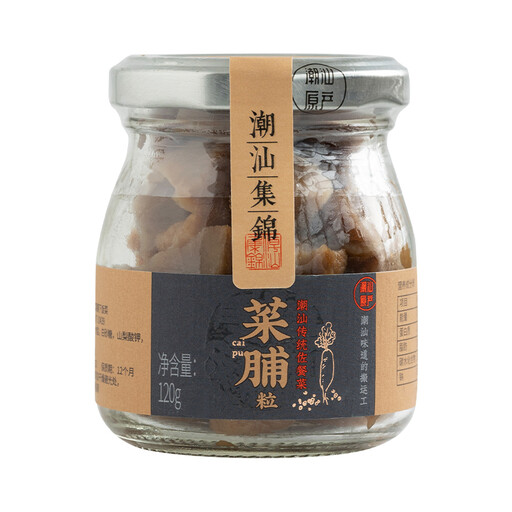
Chaoshan Collection Pickled Radish Bits 120g
Why This Fits Their Persona: Ideal for purists seeking the authentic, traditional taste of Chaoshan cuisine. The profile is distinctly salty-sweet with umami, without being overpowered by excessive heat or additives. Perfect as a versatile side dish.
The product clearly defines its flavour profile as "traditional Chaoshan taste," thus avoiding the trap of vague descriptions. The texture is described as "crunchy yet slightly chewy," which sets a precise expectation.
The small, uniform pieces are ready to use and are excellent for enhancing fried rice, porridge, or steamed dishes.
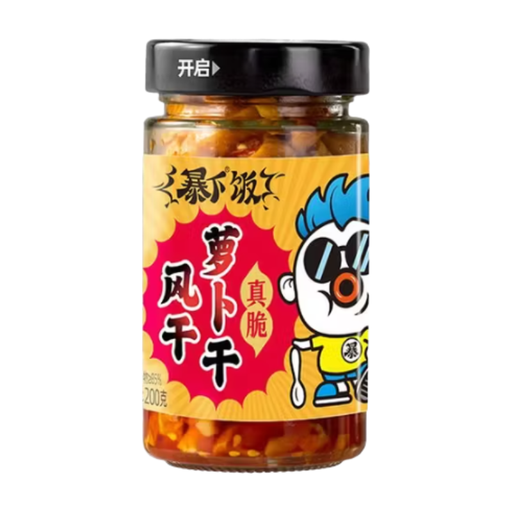
Jixiangju Baoxiafan Air-Dried Radish Strips, 200g
Why This Fits Their Persona: Perfect for anyone seeking an intensely savoury and spicy radish. The combination of chilli oil and Sichuan pepper provides a complex, aromatic flavour experience typical of Sichuan cuisine.
The description "spicy and aromatic, multi-layered flavour," combined with the ingredients chilli oil and Sichuan pepper, specifies the type of heat. The high radish content of 78% and the air-dried radish base promise a firm, crisp texture.
The high radish content of 78% (according to the manufacturer) ensures an intense radish aroma. The 200g pack is ideal for regular use in families.
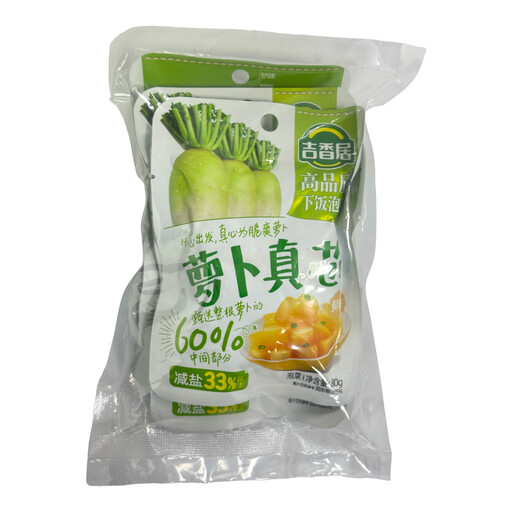
JI XIANG JU Radish Cube 80g*5
Why This Fits Their Persona: This multi-pack is the solution for anyone who values convenience and portion control. Ideal for quick meals, the office, or to prevent a large jar from losing its freshness after opening.
The problem of a mushy texture from long storage after opening is completely avoided thanks to the individual packs. Each portion is fresh and crisp. The flavour profile is a classic, straightforward standard.
The five separate 80g packs offer maximum flexibility and freshness. The radish is cut into cubes and ready to eat, making it a highly convenient option.
Looking for More Options?
If you want to discover more varieties, ranging from sweet-and-sour to extra-spicy, you'll find a suitable choice in our complete collection.
Frequently Asked Questions (FAQ)
1. How long does Chinese pickled radish last after opening? Most products should be stored in the refrigerator after opening and consumed within a few days to a week to ensure optimal texture and flavour. Always check the manufacturer's instructions on the packaging. Use clean utensils every time to avoid contamination.
2. What is the taste difference between dried and freshly pickled radish?Chinese dried radish (often called 菜脯, càipú) has a more concentrated, intense, and often saltier flavour due to dehydration, as well as a chewier, firmer texture. Freshly pickled radish is juicier, crunchier, and has a milder, fresher taste where the acidity of the marinade can be more prominent.
3. What is the best way to eat Chinese pickled radish? These Asian pickles are extremely versatile. They are a classic side dish for rice porridge (congee) and simple rice dishes. Finely chopped, they can be mixed into omelettes, stir-fries, or used as a filling for dumplings. A savoury radish also pairs excellently with noodle soups or as a crunchy contrast in a sandwich or burger.