
Chinese Cleaver Buying Guide: How to Avoid a Bad Purchase
A Chinese cleaver, often called a Chinese chef's knife, is a fascinatingly versatile tool in the kitchen. Its wide blade is not only perfect for slicing and chopping but also for crushing garlic or scooping up ingredients from the cutting board to the wok. However, the market is overwhelming, and many buyers end up with the wrong model. Before you make a decision, it's crucial to understand the most common pitfalls that can lead to a bad purchase.
As your Joybuy Product Recommendation Officer, I'll help you separate the wheat from the chaff and find a knife that meets your actual needs.
The 3 Most Common Mistakes When Buying a Chinese Cleaver
Many well-intentioned purchases end in frustration because fundamental features were overlooked. Pay close attention to these three points to avoid disappointment.
- The Wrong Type of Knife: The most common mistake is confusing a lightweight slicing knife (菜刀, Càidāo) with a heavy chopping cleaver (骨头刀, Gǔtóudāo). A true Chinese cleaver for chopping is designed to cut through bone, featuring a thick, heavy blade and a wider, more obtuse edge angle. It is unsuitable and unwieldy for daily slicing of vegetables and boneless meat. What most people are looking for to prepare stir-fry dishes is the lighter, thinner slicing knife.
- Focusing on "Razor-Sharp" Instead of Edge Retention: Marketing often promises extreme initial sharpness. However, for everyday use, edge retention—how long the blade stays sharp—is far more important. A knife that needs resharpening after just a few uses is impractical in the long run. This is directly related to the blade steel used and its heat treatment.
- Poor Balance and Ergonomics: A wide-bladed knife can quickly cause wrist fatigue if it has poor weight distribution. If the center of gravity is too far forward or back, you lose control, which compromises safety. A well-balanced knife should feel like a natural extension of your hand.
What Really Matters: The Decisive Parameters
To avoid the mistakes mentioned above, you should check three technical features before buying. These define the performance and suitability of any Asian chef's knife.
Blade Steel and Hardness (HRC)
The steel is the heart of the knife. Common steels for Chinese cleavers include stainless steels like 30Cr13, 40Cr13, or higher-quality alloys like 50Cr15MoV, which is also used by many German manufacturers. Hardness is measured in Rockwell (HRC):
- 52-55 HRC: Softer but tougher. Easy to resharpen, but also loses its edge more quickly. Good for robust tasks.
- 56-58 HRC: A great sweet spot, balancing edge retention with ease of sharpening. Ideal for most all-purpose chef's knives.
- 59+ HRC: Very high edge retention; the blade stays sharp for a long time. However, the steel is more brittle, and sharpening is more laborious.
Blade Geometry: Thickness and Grind
For a chef's knife for vegetables and meat, a thin blade (approx. 2-3 mm at the spine) with an acute grind angle (approx. 15-20 degrees per side) is ideal. This allows for fine, precise cuts. In contrast, a heavy Chinese kitchen cleaver for bones has a blade thickness of 5 mm or more and a more robust, obtuse angle to prevent chipping. Pay attention to the product description to ensure you choose the right type for your needs.
Handle and Balance
The handle should provide a secure grip, even when wet. Materials range from traditional wood to low-maintenance plastic and hygienic stainless steel. More important than the material is the balance. The knife's center of gravity should ideally be right where your index finger grips the bolster (the transition from blade to handle). This allows for effortless and safe handling.
Our Picks for Every User
Based on these objective criteria, we have identified a few models that are particularly well-suited for different user profiles in the UK and Europe.
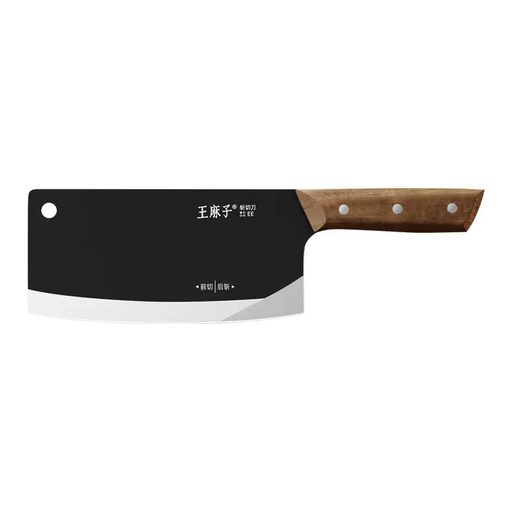
Wangmazi Kitchen Knife, Authentic Chef's Knife for Kitchen and Home
Why This Fits Their Persona: Ideal for anyone who wants to try the shape and handling of a Chinese cleaver without a large investment. It's a functional, all-purpose knife that works well for preparing vegetables and meat for occasional Asian dishes.
This knife is designed as a classic slicing knife (Càidāo), not a heavy chopping cleaver. This prevents the most common purchasing error and ensures it's correctly configured for typical kitchen cutting tasks.
Excellent value for money; versatile for the most common slicing jobs involving vegetables and boneless meat.
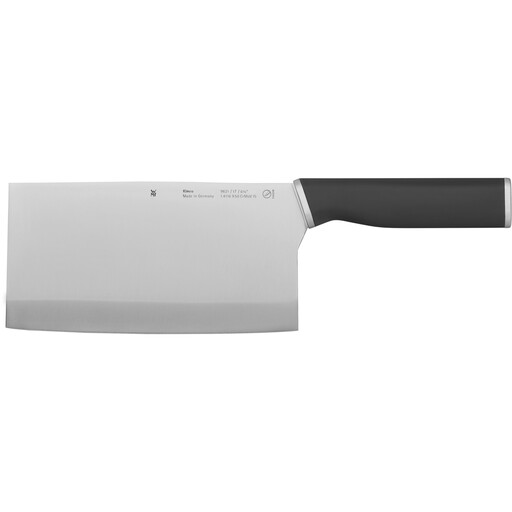
WMF KINEO Chinese Cleaver 17cm
Why This Fits Their Persona: For cooks who value proven brand quality and modern design. This knife combines the functionality of a Chinese cleaver with the material and manufacturing quality of WMF.
WMF's "Performance Cut" technology directly targets long-lasting sharpness, addressing the pitfall of poor edge retention. The hardened specialty blade steel offers an excellent compromise.
Ergonomic design for good balance; according to the manufacturer, it offers high corrosion resistance and long-lasting sharpness.
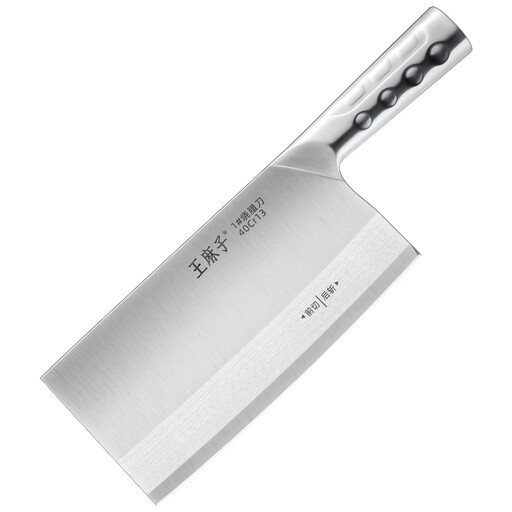
Wangmazi Chenjin Series Chopping and Slicing Chinese Cleaver, 210 mm
Why This Fits Their Persona: This knife is designed for the serious home cook or professional who regularly processes large quantities of ingredients. The longer blade and robust carbon steel construction are built for performance and durability.
The description emphasizes a "perfectly balanced construction," which directly counteracts the problem of poor balance. This ensures control and fatigue-free work, even during longer cooking sessions.
Robust high-carbon stainless steel blade for good edge retention; the larger 210 mm blade length is efficient for processing large quantities.
Looking for More Options?
We have compiled a complete, up-to-date list of products that fully meet these strict selection criteria and European safety regulations.
Frequently Asked Questions (FAQ)
1. What is the exact difference between a Chinese chef's knife and a cleaver? A Chinese chef's knife (slicing knife or Càidāo) has a thin, sharp blade for slicing vegetables, herbs, and boneless meat. A Chinese chopping cleaver (Gǔtóudāo) has a significantly thicker and heavier blade that is robust enough to cut through bone but is unsuitable for fine slicing tasks.
2. How do you properly sharpen a Chinese cleaver? Due to the typically acute grind angle, a water stone (whetstone) is the best tool. Maintain a consistent angle of about 15-20 degrees and draw the blade across the stone in sections. A honing steel is more for realigning the edge between sharpening sessions, not for the actual sharpening process.
3. Can you cut meat with a Chinese cleaver? Yes, a Chinese slicing knife (not the chopping cleaver) is an excellent chef's knife for vegetables and meat. Its wide, flat blade is perfect for cutting thin slices of poultry, pork, or beef. However, it is not intended for cutting through bones.