
Child Helmet Buying Guide: Selecting the Right Fit
The safety of children during sports activities like cycling, inline skating, or scootering is a top priority. A well-fitting and standards-compliant child's helmet is an indispensable part of their protective gear. However, the wide array of models, designs, and features can be overwhelming.
As your Joybuy Product Recommendation Officer, my mission is to provide you with objective and practical information. This guide is designed to help you understand the essential criteria for selecting a helmet and make an informed decision to protect your child.
What to Look for in a Safe Child's Helmet
Before we look at specific product recommendations, here are some fundamental aspects you should consider when making your choice.
1. Safety Standards and Construction
A safe child's helmet in Europe must comply with the EN 1078 standard. This certification confirms that the helmet meets the basic safety requirements for bicycle and skater helmets by passing impact absorption tests and checks on the durability of straps and buckles. Always look for this label in the product description.
Additionally, there are two common manufacturing processes:
- In-mould process: The outer shell (usually polycarbonate/PC) and the rigid foam inner body (EPS) are fused together. The result is a lightweight, stable, and durable helmet.
- Out-mould process: In this method, a separate outer shell (often PVC) is glued onto the EPS foam body. These helmets are often more affordable but can be slightly heavier.
2. Fit and Adjustability
A helmet can only provide protection if it fits properly. It should not be too loose and slip, nor too tight and cause pressure. Measure your child's head circumference with a flexible tape measure, about one centimetre above the eyebrows and ears. The resulting value in centimetres serves as a guide for the helmet size.
An adjustable child's helmet, featuring a dial at the back, allows for precise adjustment to the head circumference. This not only ensures safety but also allows the helmet to grow with your child over a longer period. The chin straps should be adjusted to fit snugly, with no more than one finger's width of space between the strap and the chin.
3. Comfort and Acceptance
For a child to wear their helmet willingly, it must be comfortable. A low weight, sufficient ventilation openings to prevent heat build-up, and soft inner padding are crucial. The design also plays a major role. A helmet in their favourite colour or with an appealing graphic can significantly increase their willingness to wear it. A child's helmet with a light, usually in the form of an integrated rear LED, further enhances visibility and thus safety at dusk or in poor weather.
Recommended Kids' Helmets
Based on the criteria mentioned above, we have compiled a selection of helmets that stand out for their specific features.
ACTION PW-905 Helmet XS
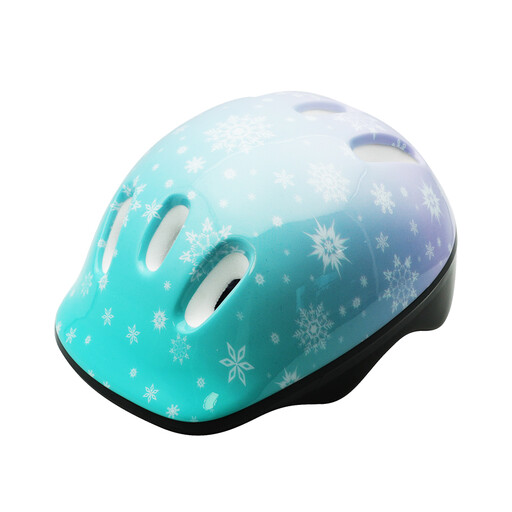
Why it stands out: This model is a functional entry-level option that meets all basic safety requirements and features a classic, understated design.
Advantages:
- Safety Certified: Complies with the EN 1078 standard for bicycle and skate helmets.
- Robust Construction: Made with an out-mould design featuring a PVC outer shell and a shock-absorbing EPS inner shell.
- Adjustable Fit: Equipped with an adjustment dial for easy customisation of the head circumference.
- Comfortable to Wear: Comfortable inner padding and durable straps ensure a secure fit.
Who it's for: A great choice for parents looking for a solid, cost-effective helmet for occasional bike rides, scootering, or first attempts at inline skating.
ACTION PW-903-PG Helmet S
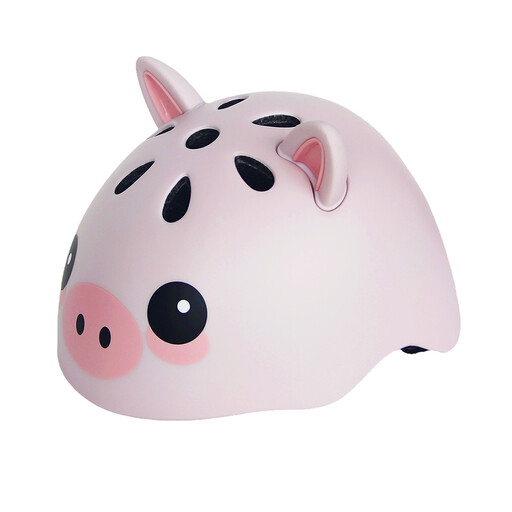
Why it stands out: The playful animal design with soft 3D ears makes this helmet a real eye-catcher and motivates younger children, in particular, to put it on willingly.
Advantages:
- Lightweight In-Mould Construction: The firm fusion of the PC outer shell and EPS inner foam ensures high stability at a low weight.
- Good Ventilation: Seven vents promote air circulation and keep the head cool.
- High Acceptance: The appealing pink pig design makes wearing a helmet fun for kids.
- Safe and Practical: Certified according to EN 1078 and equipped with a quick-release buckle for easy on and off.
Who it's for: Ideal for younger children where an appealing design boosts the motivation to wear a helmet. It is suitable as a child's bike helmet as well as a child's skate helmet.
RoyalBaby Helmet Moon Green
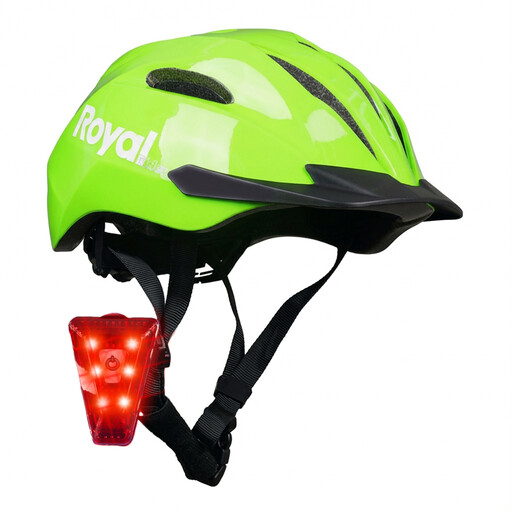
Why it stands out: This helmet combines a lightweight build with a key safety feature: an integrated rear LED light for significantly improved visibility.
Advantages:
- Child's Helmet with Light: An integrated rear light with 6 LEDs and 3 modes (steady, flashing, pulsing) increases safety in low-light conditions.
- Extremely Lightweight: Weighing just 250 grams, the helmet offers excellent comfort, even on longer rides.
- High-Quality Construction: Manufactured using the in-mould process for optimal protection.
- Additional Features: An integrated visor protects from sun and rain, while the removable and washable inner lining ensures hygiene.
Who it's for: An excellent choice for children who ride frequently, especially for the commute to school or during evening rides where good visibility is crucial.
Discover More Options
Haven't found the right model for your child yet, or are you looking for different colours and styles? A helmet not only needs to be safe, but it also has to be appealing.
? Discover a wider selection in our Outdoor Helmets category.
Frequently Asked Questions
How do I determine the right helmet size for my child?
Measure your child's head circumference with a flexible tape measure. Place the tape about one centimetre above the eyebrows and ears and wrap it around the widest part of the back of the head. The measured value in centimetres corresponds to the required helmet size. An adjustable child's helmet with a dial allows for fine-tuning to achieve a perfect fit.
When should a child's helmet be replaced?
A helmet must be replaced after any fall or significant impact, even if there is no visible external damage. The internal shock-absorbing structure can be compromised, which impairs its protective function. Regardless of falls, it is recommended to replace a helmet every 3 to 5 years, as materials like plastic and foam can degrade over time due to UV radiation and weather exposure, losing their protective properties.
Is a child's skate helmet also suitable for cycling?
Yes, as long as the helmet meets the EN 1078 standard. This European standard applies equally to helmets for cyclists as well as for users of skateboards and roller skates. A model labelled as a child's skate helmet with this certification therefore also offers certified protection for cycling. Always check the product description for this information.