Who should take care when choosing?
People look for a bar to take on the go for different reasons. The key is to know which information matters most for your own choice.
People planning their carbohydrate intake
You want to be able to work out the carbohydrates in the portion you actually eat. This is especially important if you need to take carbohydrates into account as part of your individual treatment plan; diabetesDE explains the importance of carbohydrate amounts in meals.
People comparing sugar content
You’re looking for a bar with a declared sugar value that suits you, without overlooking its other carbohydrates. The Verbraucherzentrale points out that ingredients such as honey, fruit juice and dried fruit can also contribute to the sugar content.
People weighing up nut and protein bars
You’re considering these types of bar as an alternative to a classic cereal bar. Alongside carbohydrates and protein, energy, fat and, where relevant, allergens are also important when comparing specific products.
What should you look for when buying?
Start with the amount you actually plan to eat, then compare the nutritional information. With a multipack, the figures per 100 g don’t tell you the amount in each bar.
| What to check |
What to look for when buying |
Who it matters most to |
| Carbohydrates per bar |
Check the bar’s weight and the carbohydrates per portion; if the figures are given per 100 g, calculate them for the amount you’ll eat. |
If I need to plan the carbohydrates in my snack, I need to know the amount in each bar. This is a priority for around 36% of consumers. |
| Sugar and fibre |
Compare sugar and total carbohydrates separately; also check the fibre information and ingredients list. |
I want to compare products using the information on the pack, rather than relying on a prominent sugar claim. This is a key consideration for around 29% of consumers. |
| Other nutritional values |
For nut or protein bars, also check the energy, fat and protein per bar you’ll eat. |
If I’m considering a nut or protein bar, I want to know how its overall nutritional values fit with the snack I’ve planned. This is the main concern for around 21% of consumers. |
| Allergens and intended use |
Read the ingredients and highlighted allergen information; don’t assume an everyday bar is suitable for managing low blood sugar. |
I need to choose a bar I can tolerate, or clearly distinguish my usual snack from anything I use to treat low blood sugar. This distinction takes priority for around 14% of consumers. |
Relevant brands and product ranges
A brand name can’t replace comparing individual products: declared nutritional values can vary considerably, even within the same range.
Corny
EDEKA24’s Corny range includes oat, protein and nut bars, as well as classic cereal bars.
- You can compare different types of bar within the same brand.
- According to EDEKA24, Corny Nuts & Protein Schoko contains 24 g of carbohydrates and 4.5 g of sugar per 100 g; Corny Schoko contains 65.8 g of carbohydrates and 34 g of sugar. These figures apply to the products named, not to the Corny range as a whole.
EDEKA Bio und EDEKA-Eigenmarken
EDEKA24 stocks its own organic crispy bars alongside other snack products and branded bars.
- There are different product types and pack sizes to compare.
- “Organic” doesn’t tell you how much sugar or how many carbohydrates a bar contains. The figures for the specific product are what matter.
Golden Bridge
ALDI SÜD’s Golden Bridge range includes cereal, oat and nut bars, including a multipack of 8 × 25 g cereal bars.
- The stated weight of each bar in a multipack can make it easier to plan portions.
- Always check the carbohydrates, sugar, ingredients and allergens on the pack of the product you choose.
Joybuy products for portion-controlled snacks
This selection includes cereal bars, as well as nut and protein bars to compare as alternatives for on-the-go snacks. The packs state the size of each bar; check the nutritional values for the portion you’ll actually eat. It hasn’t been confirmed that every product comes with individually wrapped bars.
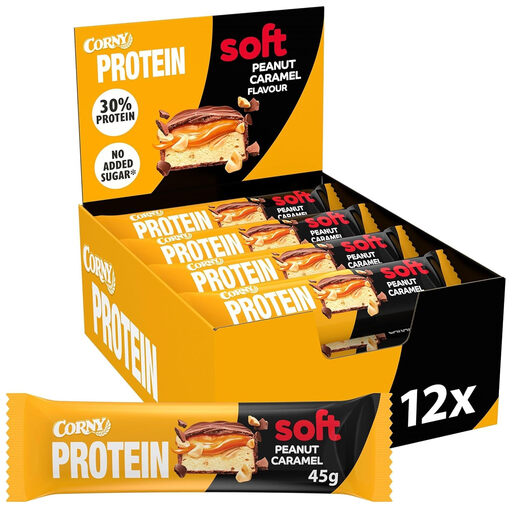 Image unavailable
Corny No Added Sugar Protein Peanut-Caramel, 12 × 45 g
For people who want to compare a protein bar with a clearly stated weight per bar. The pack contains 12 bars, each weighing 45 g. Check the carbohydrates for the portion you eat, and read the allergen information if you need to avoid peanuts or milk.
View on Joybuy
 Image unavailable
Corny Haferkraft Zero Peanut Butter Oat, 12 × 50 g
An oat bar to compare sugar claims with total carbohydrates. The multipack contains 12 bars, each weighing 50 g; check the nutritional values per bar, as well as the information about oats and peanuts.
View on Joybuy
 Image unavailable
Corny Free Chocolate No Added Sugar, 6 × 20 g
The stated size of each bar can help you work out the carbohydrates in one serving. The multipack contains six bars, each weighing 20 g; check the sugar and carbohydrate figures separately, and refer to the current packaging if you need individually wrapped bars.
View on Joybuy
 Image unavailable
BE-KIND Maple Glazed Pecan & Sea Salt nut bar, 12 × 40 g
A nut bar as an alternative to a cereal bar, not the same product category. The pack contains 12 bars, each weighing 40 g. Alongside carbohydrates and sugar, compare energy and fat, and check the allergen information for nuts and soya.
View on Joybuy
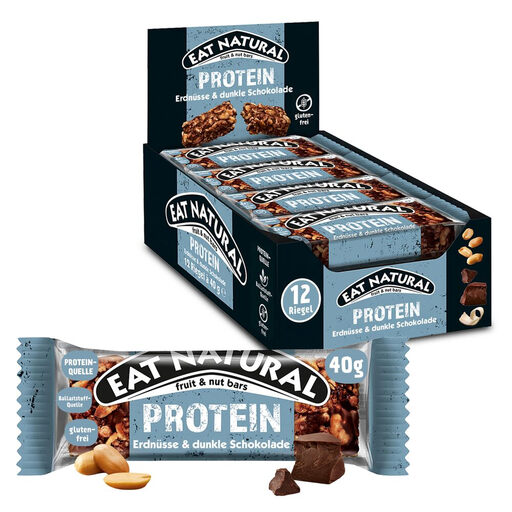 Image unavailable
Eat Natural Protein Bars Peanuts & Dark Chocolate, 12 × 40 g
A protein bar for people who want to compare a peanut and chocolate option with other types of bar. The pack contains 12 bars, each weighing 40 g. Alongside protein, assess carbohydrates, sugar, energy and fat per portion, and read the allergen information.
View on Joybuy
Frequently asked questions
Is there a cereal bar that’s suitable for everyone with diabetes?
No, there’s no blanket recommendation for a particular cereal bar. diabetesDE explains that no particular foods are automatically off limits for people with type 1 or type 2 diabetes. When choosing a bar, factors to consider include the portion you eat, its carbohydrate content and your individual plan.
Should I compare sugar or carbohydrates per bar?
Compare both, but don’t treat them as the same thing: the sugar figure doesn’t include all carbohydrates. Figures per bar are especially useful for working out what you’ll actually eat. If the information is only given per 100 g, you’ll also need to know the weight of each bar.
Does “no added sugar” mean a bar is right for me?
No, that claim alone doesn’t tell you the total carbohydrates or whether the portion size is right for you. Also check the nutritional information and ingredients list for the specific product.
Can I keep a cereal bar for treating low blood sugar?
An ordinary cereal bar isn’t automatically suitable for this. diabetesDE recommends fast-acting carbohydrates for low blood sugar and notes that fat can delay sugar absorption; your personalised emergency plan is what matters.
Which details on the pack can help me choose a bar for when I’m out?
Check the weight of each bar, nutritional information, ingredients and highlighted allergens. The Bundeszentrum für Ernährung identifies the nutrition table and allergen labelling as important parts of the label. With a multipack, also check whether the individual bars are separately wrapped, if that matters for your needs.
