
Cast Iron Dutch Ovens Buying Guide: Avoid Costly Mistakes
A cast iron Dutch oven is more than just a cooking pot; it's an investment in your culinary pursuits that can last for generations. From Sunday pot roasts and rustic breads to hearty stews, its ability to retain and distribute heat evenly is second to none. However, the market is flooded with options whose quality claims often turn out to be empty marketing buzzwords. Before you make a decision, it's crucial to understand the common pitfalls that can lead to disappointment and buyer's remorse.
The 3 Most Common Pitfalls When Buying a Cast Iron Dutch Oven:
- The 'Lifetime' Warranty Trap: Many manufacturers advertise long warranty periods, suggesting their pot is indestructible. In reality, these warranties often only cover manufacturing defects. Enamel chipping caused by improper use (e.g., thermal shock, using metal utensils) or normal wear and tear is usually excluded.
- The Enamel Weak Point: A high-quality enamel coating is the heart of an easy-to-clean cast iron Dutch oven. On budget-friendly models, this layer is often applied unevenly or too thinly, especially around the rims. These weak spots quickly lead to cracks and chipping, making the pot susceptible to rust and difficult to clean.
- Poor Lid Design: A cast iron braiser thrives on a perfectly tight-fitting lid that locks moisture inside. If the lid doesn't sit flush or lacks a sophisticated condensation return system (a self-basting feature), steam escapes. The result: dry roasts and bland dishes—the exact opposite of what you expect from such a pot.
What Really Matters: The Decisive Quality Hallmarks
To avoid a bad purchase, you should focus your attention on three core technical aspects. These are the primary determinants of your Dutch oven's performance, durability, and versatility.
1. Material and Type of Enamel
An enamelled Dutch oven protects the cast iron from rust, prevents flavours from sticking, and makes cleanup significantly easier. There are two basic types of interior enamel, each offering distinct advantages:
- Light-Coloured Enamel (e.g., Le Creuset): Allows for excellent control over the browning of your food. You can immediately see when the fond has developed the right colour. It's ideal for dishes where precise visual monitoring is key.
- Matte Black Enamel (e.g., Staub): This surface is slightly rougher and develops a patina over time, which improves its searing properties and promotes a natural non-stick effect. It is particularly prized for high-heat searing.
A high-quality enamel coating consists of multiple layers fired at high temperatures to ensure maximum resistance to scratches and chipping.
2. Lid Design and Self-Basting System
The lid is not a passive accessory but an active part of the cooking process. A heavy, tight-fitting lid is the basic requirement. Some manufacturers, like Staub with its Cocotte, take it a step further. Special structures on the lid's interior, such as the "Chistera drop structure" or nubs ("spikes"), ensure that rising steam condenses and drips evenly back onto the food. This continuous self-basting cycle makes meat exceptionally moist and intensifies flavours.
3. Base Construction for All Hobs, Including Induction
A modern cast iron pot for induction must have a completely flat base. This is the only way to guarantee full contact with the hob's surface, ensuring efficient and even heat transfer. A thick base not only retains heat better but also prevents warping at high temperatures. Check the manufacturer's specifications for compatibility with all hob types to ensure maximum flexibility in your kitchen.
Product Picks for Every Profile
Instead of making a blanket recommendation, we have identified models that cater to specific needs and cooking styles.
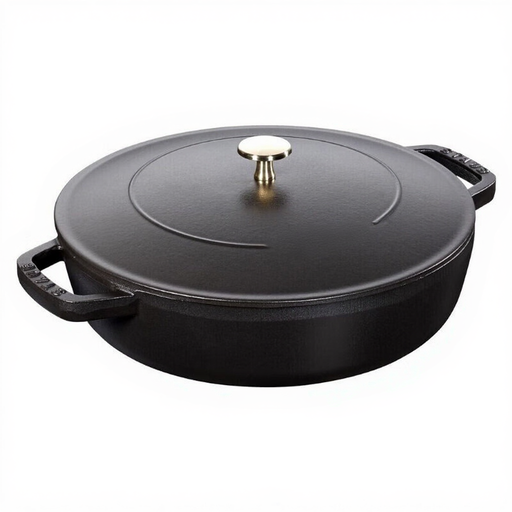
Staub Round Cast Iron Enamel Pot – Casserole – With Lid – 24?cm – 2.5?L
Why This Fits Their Persona: For cooks who prioritise succulent braises and intense flavour. The "Made in France" craftsmanship and technical focus on braising make this Staub Cocotte the top choice for sophisticated recipes.
The "Chistera drop structure" in the lid is the direct technical answer to the "poor lid design" trap. It actively ensures succulent results where other pots fail.
Innovative self-basting system for maximum moisture; matte black interior enamel promotes intense searing flavours and is extremely durable.

Le Creuset Signature Cast Iron Casserole Dish, Oval, 29 cm, 4.7 L
Why This Fits Their Persona: Ideal for families or hosts who enjoy preparing large roasts, a whole chicken, or oblong loaves of bread. The oval shape of this Le Creuset Dutch oven is practical, and its iconic design makes it a centrepiece on the dining table.
Le Creuset is renowned for its extremely durable and flawless enamel coating. This minimises the risk of chipping, the most common weakness of budget-friendly pots.
The oval shape is optimised for longer cuts of meat or food. The light-coloured interior enamel offers excellent control over the cooking process and simplifies cleaning.
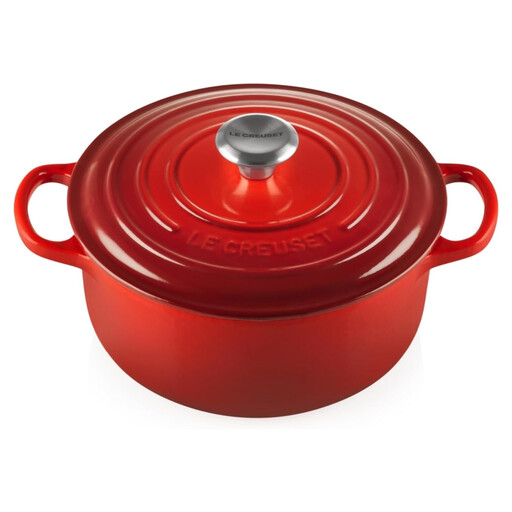
Le Creuset Signature Series Round Cast Iron Casserole, 20cm, 2.4L
Why This Fits Their Persona: Perfect for one to two-person households or for anyone wanting to experience the quality of a premium brand without immediately investing in a large pot. Ideal for side dishes, soups, or baking smaller loaves of bread.
By opting for an established brand even in a smaller size, you bypass the typical quality defects of cheaper, no-name products, such as thin enamel and poorly fitting lids.
Offers the full functionality and durability of a premium Dutch oven in a compact, more budget-friendly format. Perfect as an entry point into the world of cast iron cooking.
Looking for more options?
We have compiled a complete, up-to-date list of products that fully meet these strict selection criteria and German safety regulations.
Frequently Asked Questions (FAQ)
How do you properly clean an enamelled cast iron Dutch oven?
Always let the Dutch oven cool completely after use before cleaning it. Plunging a hot pot into cold water can cause thermal shock and damage the enamel. Soak stubborn food residue with warm water and a little washing-up liquid. Use only soft sponges or brushes for cleaning. Abrasive cleaners and steel wool are taboo, as they will scratch the enamel. Although many models are declared dishwasher-safe, hand washing is recommended to preserve the enamel's shine in the long term.
Can you really bake bread in a cast iron Dutch oven?
Yes, a cast iron pot is outstanding for baking bread. The heavy, dense pot with its lid functions like a small steam oven. The high heat retention of cast iron provides even and intense bottom heat, which leads to a crispy crust. The trapped steam released from the dough keeps the bread's surface moist during the initial baking phase, allowing it to rise optimally (known as oven spring).
Is an expensive Dutch oven from Le Creuset or Staub worth the investment?
The decision depends on your cooking habits and quality standards. Brands like Le Creuset and Staub invest heavily in material quality, precision manufacturing processes, and a durable, multi-layer enamel coating. This results in superior thermal performance, greater resistance to chipping, and thoughtful details like the self-basting systems. For home cooks who value consistent results, longevity, and versatility, such a Dutch oven represents a worthwhile long-term investment that pays for itself over many years through better cooking results and the joy of using the product.