
Cast Iron Dutch Ovens: A Buyer's Guide and Recommendations for 2026
A cast iron Dutch oven is a piece of cookware that leverages the physical properties of its material. Cast iron is characterized by its high density and thermal capacity, which allows for even absorption, distribution, and long-term retention of thermal energy. These properties are fundamental for cooking methods like braising, roasting, and baking, where constant, moderate heat is required over an extended period. The following text analyses the technical criteria for selecting such a pot and presents a selection of models.
Buyer's Guide: Technical Criteria for Choosing a Cast Iron Dutch Oven
The decision to purchase a cast iron Dutch oven should be based on an analysis of specific product features tailored to your individual cooking needs.
1. Material and Coating: Enamelled vs. Uncoated
The surface of the cast iron is a crucial feature.
- Enamelled Cast Iron Pot: Most modern Dutch ovens have an interior and exterior enamel coating. This glaze seals the porous cast iron, prevents rust, and makes the material non-reactive to acidic foods. A light-coloured interior enamel makes it easier to visually monitor the browning of food. A dark, matte enamel, as used by some manufacturers, has a slightly rough texture that promotes the development of a patina, which can improve its non-stick properties over time.
- Uncoated Cast Iron: This material requires seasoning to build up a natural non-stick layer and protect it from corrosion. It offers excellent heat conduction but is more maintenance-intensive.
2. Size, Volume, and Shape
The dimensions of the pot should be based on your household size and primary uses.
- Volume: For a 2-3 person household, a volume of 2.5 to 4 litres is generally sufficient. For larger families or preparing meals for guests, models with 5 to 7 litres are more practical.
- Shape: Round pots, often called a Cocotte, are well-suited for soups, stews, and baking round loaves of bread. Oval roasters offer advantages when preparing elongated foods like a whole chicken or a joint of meat.
3. Lid Design and Functionality
A heavy, tight-fitting lid is essential for the braising process. It prevents steam from escaping and ensures that moisture circulates inside the pot. Some manufacturers, such as Staub, integrate special structures (e.g., "Chistera" or "picots") on the underside of the lid. These are designed to distribute condensed water evenly over the food, creating a continuous self-basting cycle.
4. Hob and Oven Compatibility
A high-quality Dutch oven for induction should have a flat, ferromagnetic base. Most cast iron pots are universally compatible with all common hob types (gas, electric, ceramic, induction) and are also oven-safe. It is important to check the maximum temperature resistance, especially that of the lid knob, which can be made of phenolic resin or stainless steel.
5. Suitability for Baking Bread
The excellent heat retention of cast iron makes it an ideal material for baking bread. The pot creates a closed, steam-filled environment that mimics a professional steam oven. This results in a good oven spring and a crispy crust.
Our Product Selection for 2026
The following selection is based on an analysis of the products' technical specifications and functional versatility.
STAUB Cast Iron Braiser with Chistera, 24 cm, 2.5 L
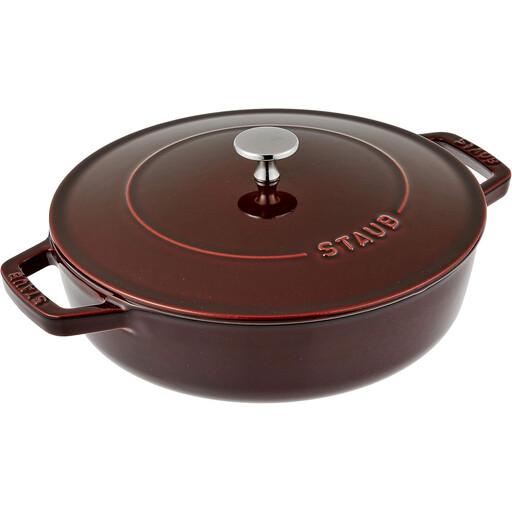
- Why we recommend this product: This model stands out with its innovative Chistera lid, whose drop-structure design evenly distributes condensation. The matte black interior enamel is known for its durability and its ability to develop a patina with use, which aids in searing.
- Pros:
- Chistera self-basting feature: Ensures continuous basting of the food.
- Efficient heat retention: According to the manufacturer, the cast iron retains heat for up to 2 hours after the heat source is turned off.
- Versatility: Suitable for all hob types, including induction, and oven-safe up to 250°C.
- Compact size: At 2.5 litres, it is ideal for households of 2-3 people.
- Who it's for: Users seeking a versatile and compact cast iron braiser for stews, casseroles, and searing, who value sophisticated lid technology.
Le Creuset Signature Round Cast Iron Dutch Oven, 24 cm, 4.2 L
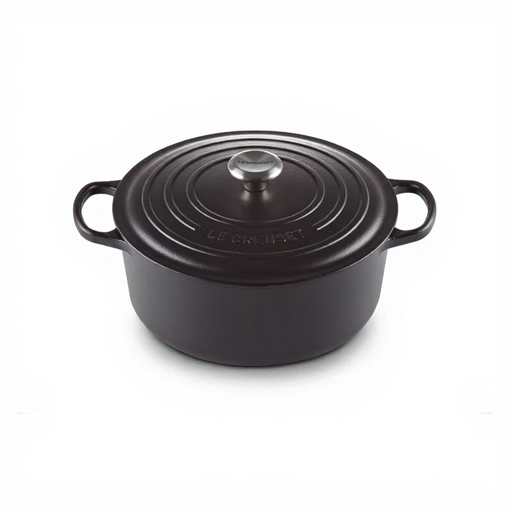
- Why we recommend this product: The Le Creuset Dutch oven is an established benchmark product. Its 4.2-litre volume offers flexibility for larger portions or families. The light-coloured enamelled interior allows for precise control over the browning process, while the ergonomically designed handles ensure safe handling.
- Pros:
- Generous volume: 4.2-litre capacity for family meals or baking larger loaves of bread.
- Light-coloured interior enamel: Makes it easy to monitor browning and simplifies cleaning.
- Ergonomic design: Wide handles provide a secure grip, even with oven mitts.
- Heat-resistant stainless steel knob: Allows for use in the oven at high temperatures.
- Who it's for: Home cooks and families who need a durable, larger-capacity all-rounder for a wide range of dishes—from soups and roasts to bread.
Staub Classic Round Cocotte, 22 cm, 2.6 L
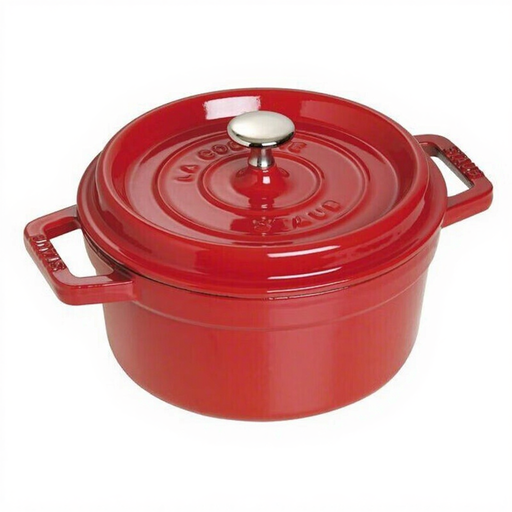
- Why we recommend this product: The classic Staub Cocotte is equipped with the patented "picots" system, which ensures intense and even basting of the food. With a 2.6-litre volume and a 22 cm diameter, it is a compact and high-performance pot for daily use. Its high heat resistance of up to 350°C (according to the manufacturer) makes it particularly versatile.
- Pros:
- Picots self-basting system: Small spikes on the inside of the lid for tender and juicy results.
- Matte black interior enamel: Robust and ideal for high-heat searing.
- High temperature resistance: Oven-safe up to 350°C, enabling a wide range of applications.
- Durability: The manufacturer offers a 30-year warranty on the product.
- Who it's for: Users looking for a classic cast iron Dutch oven with a focus on maximum tenderness for braised dishes, who prefer compact, extremely heat-resistant cookware.
Other Options and Alternatives
The models presented cover specific user profiles. If you are looking for different sizes, shapes, or features, a broader overview can provide further guidance. You can find an extensive selection in our cast iron roaster category.
Frequently Asked Questions (FAQ)
1. How do you clean an enamelled cast iron pot? Let the pot cool down after use. Clean it with warm water, mild dish soap, and a soft sponge. Avoid steel wool or abrasive scouring agents, as these can damage the enamel surface. For stubborn stuck-on food, you can bring a small amount of water and dish soap to a brief boil in the pot.
2. Can you bake bread in a cast iron Dutch oven? Yes, cast iron pots are excellent for baking bread. The pot is preheated in the oven and acts as a mini baking chamber. The trapped steam ensures a strong oven spring and a crispy, golden-brown crust.
3. What is the difference between a roaster and a cocotte? The terms are often used interchangeably. "Cocotte" is the French term for a Dutch oven, which is typically round. "Bräter" is a more general German term that can refer to both round and oval pots designed for roasting and braising. Functionally, there is usually no difference between a round cocotte and a round roaster.