
The Complete Canned Tuna Buyers Guide
By: Joybuy Product Recommendation OfficerDate: July 28, 2026
Canned tuna is a pantry staple in many UK households – it's convenient, protein-rich, and versatile. Yet, when faced with a shelf full of options, consumers often find the differences unclear. Not every can lives up to its label's promise. This guide will help you navigate the most common pitfalls and make an informed decision that suits your needs.
The 2 Most Common Pitfalls When Buying Canned Tuna
Before you choose a product, you should be aware of two common issues that can lead to disappointment:
- The 'Fillet' Illusion: The term "tuna fillets" suggests firm, whole pieces of fish. In practice, however, many cans contain crumbled pieces or flakes, even though they are labelled as fillets. This is particularly relevant if the tuna is intended for a visually appealing presentation in a salad or on a platter.
- Vague Sustainability Claims: Many products use ambiguous terms like "dolphin-safe." This claim alone does not guarantee sustainable fishing practices that protect the entire marine habitat. Without recognised seals, consumers are often left in the dark about the actual origin and fishing method.
What to Look For Before You Buy: 3 Decisive Criteria
To ensure you get the right product for your purpose, you should check three key parameters. This information can be found directly on the packaging.
1. The Packing Liquid: Oil, Brine, or Sauce?
The liquid in which the tuna is packed significantly influences its taste, nutritional value, and how it can be used.
- Tuna in its own juice (Brine): This variety, often referred to as tuna without oil, contains only the fish, water, and salt. It is the lowest-calorie option and ideal for health-conscious consumers or for recipes where the pure tuna flavour is desired, such as in a light tuna for salad.
- Tuna in oil: A distinction is made here between different types of oil. Tuna in sunflower oil is common and provides a moist, mild flavour. Tuna in olive oil offers a richer, more Mediterranean aroma and is excellent for pasta dishes or as an antipasto. The oil makes the fish more tender but also increases the calorie and fat content.
- Tuna in tomato sauce or other preparations: These products are convenient for quick meals as they are already seasoned. Pay close attention to the ingredients list, as they often contain sugar, starch, or other additives.
2. The Cut: Fillets, Chunks, or Flakes?
The form of the tuna in the can determines its texture and suitability for different dishes.
- Tuna fillets: These are the largest and firmest pieces. They are best used when the fish is served whole, for example, on a salad or as the main component of a meal.
- Tuna chunks: Smaller, but still firm pieces that work well in salads or wraps where a certain texture is desired.
- Tuna flakes (shredded): The fish is already finely broken down and is ideal for preparing spreads, dips, or fillings.
3. The Sustainability Seal: What Does MSC Mean?
For eco-conscious consumers, the MSC seal (Marine Stewardship Council) is a key indicator. This internationally recognised seal certifies fisheries that are proven to operate sustainably. This means that fish stocks are maintained at healthy levels, the impact on the marine ecosystem is minimised, and the fishery is managed responsibly. An MSC tuna offers greater assurance of sustainable consumption than non-specific marketing claims. Another label for a particularly gentle fishing method is "Pole & Line" or "pole-caught".
Find Your Ideal Option
Here are some recommendations tailored to different needs and preferences.
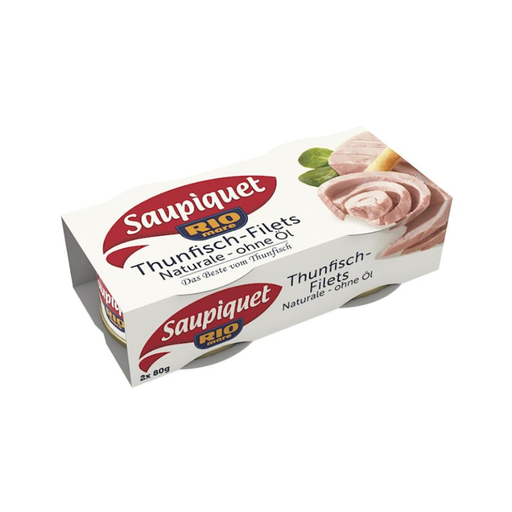
Saupiquet Tuna Fillets Naturale without Oil 2x80g
Why This Fits Their Persona: Ideal for a high-protein, low-fat diet. The fillets in their own juice are perfect for light post-workout salads or as a pure protein source without added fat from oil.
The clear "without oil" declaration and its processing as fillets ensure you get pure fish with a firm texture, free from hidden fats or crumbled pieces.
High protein content (24g per 100g) with a very low fat content (0.5g per 100g). Convenient portion size in a 2-pack.
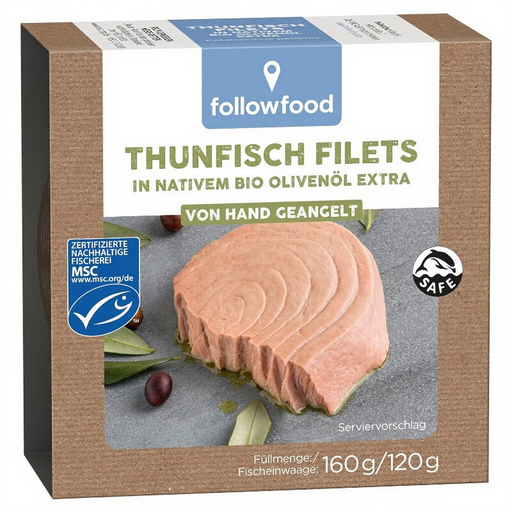
Followfood MSC Tuna Fillets in Extra Virgin Organic Olive Oil 160 g
Why This Fits Their Persona: For those who value top quality and verifiable sustainability. The combination of pole and line fishing, the MSC seal, and organic olive oil meets the most demanding criteria.
This product goes beyond vague promises by specifying both the MSC seal and the "Pole and Line" fishing method. Its traceability provides extra assurance.
Sustainably pole-caught and MSC-certified. Packed in high-quality extra virgin organic olive oil for a delicate flavour.
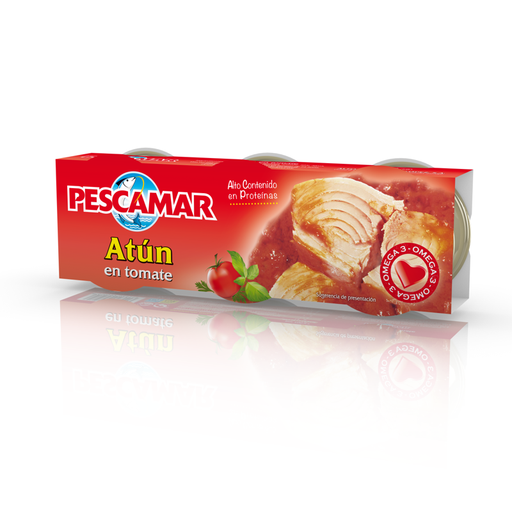
Pescamar Tuna in Tomato Sauce 3x80g Turkish
Why This Fits Their Persona: A quick and easy solution for lunch at the office or a fast meal at home. The tuna in tomato sauce is ready to eat and can be added directly to pasta or spread on bread.
This product is clearly positioned as a prepared meal. You know exactly what you're getting: tuna chunks in a seasoned sauce, without pretending to be a pure fillet product.
Ready to eat and versatile. The 3-pack provides a good supply for quick, protein-rich meals (18g of protein per 100g).
Looking for More Options?
We've compiled a complete, up-to-date list of products that fully meet these strict selection criteria.
Frequently Asked Questions (FAQ)
1. What exactly does the MSC seal on tuna cans mean? The MSC (Marine Stewardship Council) seal is an ecolabel for fish and seafood from sustainable fisheries. It confirms that the fish comes from a fishery that meets three core principles: healthy fish stocks, minimal impact on the marine ecosystem, and effective management. Buying MSC tuna supports the protection of our oceans.
2. How long does opened canned tuna last? After opening, the tuna should be transferred from the metal can to a sealable glass or plastic container. Stored in the refrigerator, it will typically last for 1 to 2 days. Always follow the specific recommendations from the manufacturer on the packaging.
3. Is tuna in oil or in brine the better choice? There is no single "better" choice; it depends on your goals. Tuna in brine is lower in fat and calories, making it a good option for a weight-conscious diet. Tuna in oil contains more calories, but the oil makes the fish moister and more flavourful. High-quality olive oil can also provide valuable unsaturated fatty acids. If you drain the oil, you reduce the fat content, but some will always remain in the fish.