
How to Choose High-Protein Canned Tuna for Your Pantry
Canned tuna remains one of the most reliable and nutrient-dense lean protein staples in any kitchen. Whether you are prepping post-workout meals, assembling a fresh lunchtime salad or stocking your pantry with long-life ingredients, selecting the right tin requires looking beyond the front label. The choice of canning medium, the actual yield of fish per tin and the sourcing standards all fundamentally shape your everyday meals.
Balancing nutritional goals against culinary enjoyment often comes down to understanding how canning mediums affect macronutrients. While tuna packed in its own juices maximises lean protein content with minimal fat, fish steeped in quality vegetable oils offers richer texture and natural moistness. Taking a systematic approach to net drained weight and sustainability certifications ensures you get dependable quality and value every time you open a tin.
Common Traps When Buying Canned Tuna
Confusing Gross Tin Weight with Drained Fish Weight
Many shoppers calculate their meal portions based on the total tin weight printed prominently on the lid. However, the liquid medium often accounts for up to thirty percent of that overall figure. Calculating your protein intake from gross weight leads to underestimating your portion needs. Always check the drained net weight on the nutrition panel to assess the true protein yield and cost per gram of fish.
Overlooking the Nutritional Impact of the Packing Medium
Assuming all canned tuna delivers the same lean macronutrient profile is a frequent mistake. Tuna packed in sunflower or olive oil absorbs a measurable portion of that oil, significantly raising overall calories and fat content even after thorough draining. If maximum protein density per calorie is your priority, tuna in its own juice is the practical choice, whereas oil-packed fish suits recipes where richness and dressing flavour are desired.
Ignoring Catch Methods and Fishery Certifications
Unregulated tuna harvesting frequently relies on destructive netting methods that lead to high rates of bycatch and marine habitat disruption. Buying non-certified tins without verifying catch information often supports depleted fish stocks. Looking for established independent marks like the Marine Stewardship Council blue fish label confirms that the tuna comes from a certified sustainable wild fishery with traceable origins.
Key Criteria for Selecting Quality Tuna
Canning Medium and Liquid Absorption
The liquid surrounding the fish defines both the shelf life moisture and the final macronutrient density of each portion.
- Natural Juices or Brine: Provides the highest protein ratio per calorie with virtually zero added fat, making it straightforward to mix into clean meals.
- Vegetable or Olive Oil: Creates a softer, tender flake with rich flavour notes, ideal for dishes where you plan to utilise the flavourful dressing oil directly.
Drained Weight and Portion Utility
Evaluating the solid fish content per container ensures accurate meal planning and avoids paying premium prices for canning water.
- Fill Ratio: Quality tins typically provide a drained weight of around seventy percent or higher relative to the total gross container capacity.
- Single Tins vs Multi-Packs: Individual tins suit fast, fresh single-serving prep, whilst multi-pack formats provide reliable bulk value for weekly meal prep routines.
Sourcing Transparency and Species Selection
The species of tuna and its geographic catch method directly impact both meat texture and environmental sustainability.
- Skipjack vs Yellowfin: Skipjack yields firmer, slightly darker flakes with fast-growing stock profiles, while Yellowfin delivers lighter, milder, thicker fillets.
- Certified Sustainable Harvest: Independent auditing guarantees that the fishery avoids overfished zones, minimises bycatch and enforces strict traceability from boat to tin.
Our Top Recommendations
These selected products offer dependable protein profiles, clear sourcing standards and practical portion sizes to suit diverse household needs.
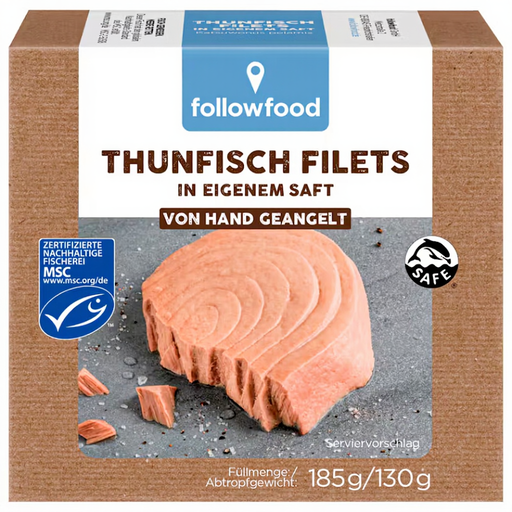
followfood MSC Skipjack Tuna Fillets in Own Juice 185 g
Why This Fits Their Persona: This tin delivers twenty-seven grams of protein per one hundred grams of fish, making it an exceptional source of pure, lean nutrition for post-workout recovery or calorie-controlled meal planning. The skipjack fillets come packed in their own natural juices without added vegetable fats, allowing you to stir them straight into pasta, rice bowls or crisp salads.
It eliminates the frustration of hidden calories from rich cooking oils, while the clear one-hundred-and-thirty-gram drained weight ensures you can calculate your exact macronutrient intake with complete confidence.
One hundred percent MSC certification guarantees that the wild-caught skipjack comes from sustainable fisheries with full traceability from catch to shelf.
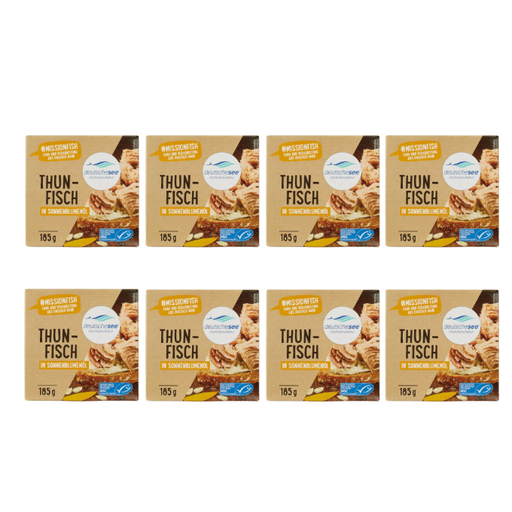
Deutsche See Tuna Fillets in Sunflower Oil 8 x 185 g
Why This Fits Their Persona: Providing eight individual tins of one hundred and eighty-five grams each, this multi-pack is designed for busy households and regular meal preppers who want reliable, tender tuna ready to serve in the pantry. Packed in clean sunflower oil, the fillets maintain a moist, succulent texture that works effortlessly in hearty pasta bakes, sandwiches and family bakes.
Buying in a convenient eight-pack prevents the premium unit costs often associated with purchasing single tins on weekly grocery runs, keeping your pantry well-stocked for spontaneous cooking.
The sunflower oil medium preserves the moisture of the fish over extended storage, ensuring tender, ready-to-flake meat that does not dry out during hot recipe preparation.
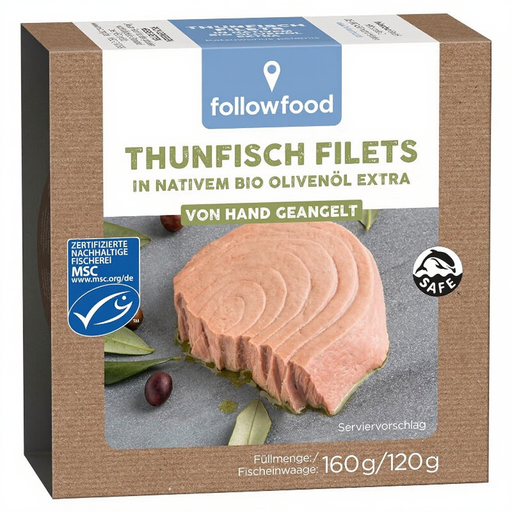
followfood MSC Tuna Fillets in Organic Extra Virgin Olive Oil 160 g
Why This Fits Their Persona: Submerged in premium cold-pressed organic extra virgin olive oil, these MSC-certified tuna fillets provide a silky mouthfeel and refined taste profile designed for gourmet dining. The quality of the oil means it can be emulsified straight into dressings or tossed with warm pasta and herbs without pouring flavour down the sink.
It bypasses the bland, dry texture common to mass-market processed tuna, using high-grade whole fillet cuts that retain their structural integrity on the plate.
Combines rigorous MSC sustainable fishing standards with certified organic extra virgin olive oil for an authentic, restaurant-grade culinary staple.
Explore Additional Shelf-Stable Fish Options
If you are looking to diversify your pantry protein with options like skinless salmon fillets, sardines or mackerel in delicate marinades, explore our broader seafood collection.
Frequently Asked Questions
How does protein density differ between tuna in brine and tuna in oil?
Tuna canned in its own juice or mild brine delivers higher protein density per calorie because the liquid does not contribute dietary fat. While the fish flesh itself contains comparable protein levels, tuna in oil absorbs dietary lipids, roughly doubling the overall calorie count per portion. Athletes prioritising pure protein per calorie typically prefer water-packed variants, whereas oil-packed options deliver a richer texture and essential fatty acids.
Why is drained weight critical when calculating nutritional intake?
Drained weight measures only the solid fish meat after the canning liquid has been poured off. Because canning brine or oil can represent twenty-five to thirty-five percent of the total container weight, calculating your protein and calorie targets using the gross weight printed on the front will cause you to significantly overestimate your actual food intake. Nutrition labels clearly list the net drained weight, which should always form the baseline for your meal calculations.
What catch standards should you look for when prioritising sustainable tuna?
Look for independent, third-party eco-labels such as the Marine Stewardship Council blue fish mark, which verifies that the stock is caught from healthy populations using methods that minimise bycatch. Responsibly sourced tuna labels will also clearly identify the specific fish species, such as Skipjack or Yellowfin, along with the FAO fishing area and catch method, ensuring full supply chain traceability from harvest to processing.